

200
Table 2. Intersetular distance in /l-m (Ls.a.), and relative to the diameter of the seta
(Ls.r.); the relative distance between the two rows of setules (Lr.r.), and the relative
diameter of the setules at their basis (b.s.r.) for the different species. Standard deviation
between brackets.
Species
Ls.g
Ls.t
Lr.r
b.s.t
S. torvicornis
0.4S(±0.03)
O.lS(±O.Ol) 0.032(±0.0l) O.OS(±O.Ol)
S. rubricaudatus
1.60(±0.11) 0.38(±0.03)
0.S2(±0.04)
0.20(±0.0l)
Branchipus
1.09(±0.07) 0.24(±0.0l)
0.41 (±0.03)
0.13(±0.01)
Chirocephalus
1.93(±O.lO) 0.3S(±0.02)
0,41 (±0.04)
0.1O(±0.0l)
Branchinella
7.83(±2.00) 0.46(±0.12)
0.47(±0.09)
0.06(±0.01)
Tanymastigites
3.44(±0.29) 0.36(±0.03)
0.3S(±0.03)
0.12(±0.0 I)
Artemia
0.S9(±0.OS) 0.29(±0.02)
0.42(±0.04)
O.l9(±0.03)
nis the second group is the longest (0.9 against 0.6),
in contrast to S. rubricaudatus, where the first setae
lengthen sharply to a distinct peak (1.2), much higher than that of the setae of the second group (0.8).
In both species, the distance between the setae of the
first group is bigger (0.047) than that of the second
(0.025). All setae are plumose and 'crowned' at their
base. In S. rubricaudatus (Fig. 2b) the longest setae
(first group) tend to become asymmetrical, with long
distances between the setules apically, a character, not
seen in S. torvicornis (Fig. 2a). The basal crown is
more developed in S. rubricaudatus with longer spines
than in S. torvicornis.
The relative length of the setae of the exopodite
(Fig. la-b) reaches apeakat2.7 inS. torvicornis, while
in S. rubricaudatus it plateaus at a level of 1.6.
There is some similarity between Branchipus schaefferi (Fig. lc-2c) and Tanymastigites perrieri (Fig. 1£2f). In both, the first setae on the endopodite are
the longest and are denticulated. They than change
to plumo-denticulated and plumose setae (Watling,
1989). In Tanymastigites, a denticulation occurs from
seta 1 to 17. Two rows of modified setules characterize seta 1 to 5; the remainder bear one row of stout
denticles. Also characteristic for Tanymastigites is the
large distance between the implantation of setae 7 to
12 (Fig. If). The exopodite of both species resembles
that of S. rubricaudatus: the relative length of the setae
plateaus in its first half, declining gradually to the margins of the exopodite.
Chirocephalus diaphanus shows a uniform profile of setal length on the endopodite, while on the
exopodite, setal length increases and decreases sharply
around a maximum of 2.7 (Fig. Id). All setae on the
endopodite are of the plumose type, but the setules on
seta 1-10 are rather short (Fig. 2d). A big 'manchette'
surrounds the base of seta 1-15.
There is some resemblance between Branchinella
spinosa and A. parthenogenetica. In Branchinella the
first setae (1 to 8) on the endopodite are denticulated
(Fig. 2e) and increase in relative length towards the
margins (Fig. Ie), exhibiting the abrupt decline seen
in Artemia also. In contrast to Artemia however, the
intersetal distance is highest here. The spinose setae
are not modified into a single rowed comb. A second
row of stout spinules stands along the first one, best
expressed in seta 8.
The exopodites show a curved pattern in the length
. of the setae, and the distance between them equals 0.02
on the inner side of the exopodite, and more than 0.03
on the top and at the margins of the exopodite.
The setae of endite I
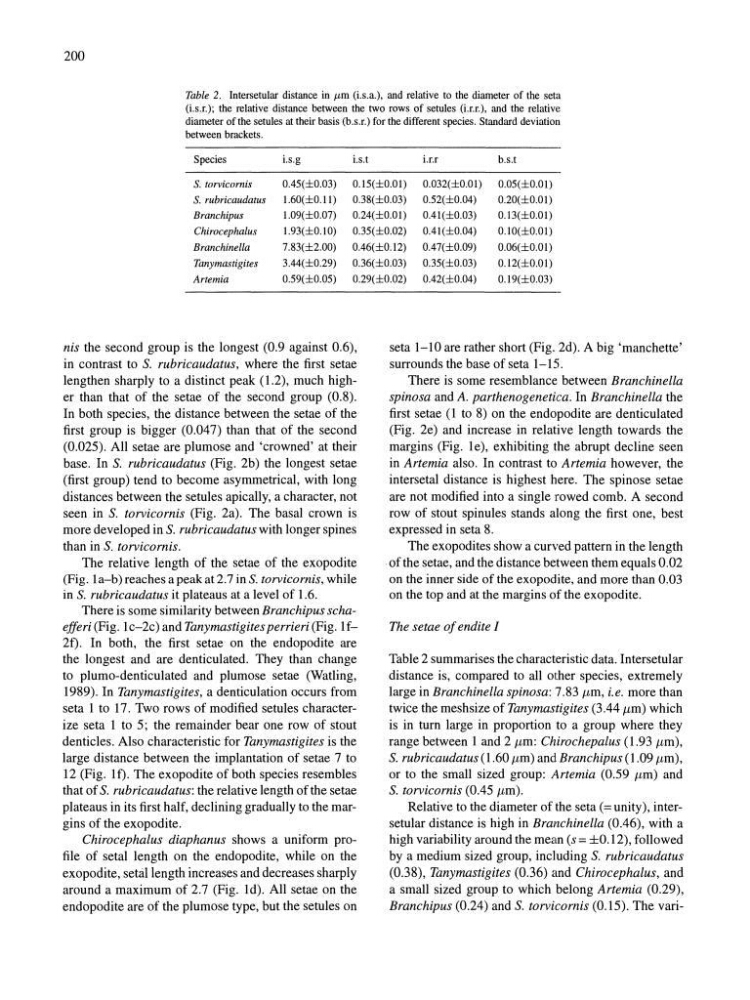
Table 2 summarises the characteristic data. Intersetular
distance is, compared to all other species, extremely
large in Branchinella spinosa: 7.83 /Lm, i.e. more than
twice the mesh size of Tanymastigites (3.44 /Lm) which
is in turn large in proportion to a group where they
range between 1 and 2 /Lm: Chirochepalus (1.93 /Lm),
S. rubricaudatus (1.60 /Lm) and Branchipus (1.09 /Lm),
or to the small sized group: Artemia (0.59 /Lm) and
S. torvicornis (0.45 /Lm).
Relative to the diameter of the seta (= unity), intersetular distance is high in Branchinella (0.46), with a
high variability around the mean (s = ±0.12), followed
by a medium sized group, including S. rubricaudatus
(0.38), Tanymastigites (0.36) and Chirocephalus, and
a small sized group to which belong Artemia (0.29),
Branchipus (0.24) and S. torvicornis (0.15). The vari-
Table 2. Intersetular distance in /l-m (Ls.a.), and relative to the diameter of the seta
(Ls.r.); the relative distance between the two rows of setules (Lr.r.), and the relative
diameter of the setules at their basis (b.s.r.) for the different species. Standard deviation
between brackets.
Species
Ls.g
Ls.t
Lr.r
b.s.t
S. torvicornis
0.4S(±0.03)
O.lS(±O.Ol) 0.032(±0.0l) O.OS(±O.Ol)
S. rubricaudatus
1.60(±0.11) 0.38(±0.03)
0.S2(±0.04)
0.20(±0.0l)
Branchipus
1.09(±0.07) 0.24(±0.0l)
0.41 (±0.03)
0.13(±0.01)
Chirocephalus
1.93(±O.lO) 0.3S(±0.02)
0,41 (±0.04)
0.1O(±0.0l)
Branchinella
7.83(±2.00) 0.46(±0.12)
0.47(±0.09)
0.06(±0.01)
Tanymastigites
3.44(±0.29) 0.36(±0.03)
0.3S(±0.03)
0.12(±0.0 I)
Artemia
0.S9(±0.OS) 0.29(±0.02)
0.42(±0.04)
O.l9(±0.03)
nis the second group is the longest (0.9 against 0.6),
in contrast to S. rubricaudatus, where the first setae
lengthen sharply to a distinct peak (1.2), much higher than that of the setae of the second group (0.8).
In both species, the distance between the setae of the
first group is bigger (0.047) than that of the second
(0.025). All setae are plumose and 'crowned' at their
base. In S. rubricaudatus (Fig. 2b) the longest setae
(first group) tend to become asymmetrical, with long
distances between the setules apically, a character, not
seen in S. torvicornis (Fig. 2a). The basal crown is
more developed in S. rubricaudatus with longer spines
than in S. torvicornis.
The relative length of the setae of the exopodite
(Fig. la-b) reaches apeakat2.7 inS. torvicornis, while
in S. rubricaudatus it plateaus at a level of 1.6.
There is some similarity between Branchipus schaefferi (Fig. lc-2c) and Tanymastigites perrieri (Fig. 1£2f). In both, the first setae on the endopodite are
the longest and are denticulated. They than change
to plumo-denticulated and plumose setae (Watling,
1989). In Tanymastigites, a denticulation occurs from
seta 1 to 17. Two rows of modified setules characterize seta 1 to 5; the remainder bear one row of stout
denticles. Also characteristic for Tanymastigites is the
large distance between the implantation of setae 7 to
12 (Fig. If). The exopodite of both species resembles
that of S. rubricaudatus: the relative length of the setae
plateaus in its first half, declining gradually to the margins of the exopodite.
Chirocephalus diaphanus shows a uniform profile of setal length on the endopodite, while on the
exopodite, setal length increases and decreases sharply
around a maximum of 2.7 (Fig. Id). All setae on the
endopodite are of the plumose type, but the setules on
seta 1-10 are rather short (Fig. 2d). A big 'manchette'
surrounds the base of seta 1-15.
There is some resemblance between Branchinella
spinosa and A. parthenogenetica. In Branchinella the
first setae (1 to 8) on the endopodite are denticulated
(Fig. 2e) and increase in relative length towards the
margins (Fig. Ie), exhibiting the abrupt decline seen
in Artemia also. In contrast to Artemia however, the
intersetal distance is highest here. The spinose setae
are not modified into a single rowed comb. A second
row of stout spinules stands along the first one, best
expressed in seta 8.
The exopodites show a curved pattern in the length
. of the setae, and the distance between them equals 0.02
on the inner side of the exopodite, and more than 0.03
on the top and at the margins of the exopodite.
The setae of endite I
Table 2 summarises the characteristic data. Intersetular
distance is, compared to all other species, extremely
large in Branchinella spinosa: 7.83 /Lm, i.e. more than
twice the mesh size of Tanymastigites (3.44 /Lm) which
is in turn large in proportion to a group where they
range between 1 and 2 /Lm: Chirochepalus (1.93 /Lm),
S. rubricaudatus (1.60 /Lm) and Branchipus (1.09 /Lm),
or to the small sized group: Artemia (0.59 /Lm) and
S. torvicornis (0.45 /Lm).
Relative to the diameter of the seta (= unity), intersetular distance is high in Branchinella (0.46), with a
high variability around the mean (s = ±0.12), followed
by a medium sized group, including S. rubricaudatus
(0.38), Tanymastigites (0.36) and Chirocephalus, and
a small sized group to which belong Artemia (0.29),
Branchipus (0.24) and S. torvicornis (0.15). The vari-