

11.1.1 Oceanography and Marine Environments
The Argentine Continental Shelf (ACS; Fig. 11.2) is one of the largest and flattest
in the world. This shelf extends from Río de la Plata (RP) (36°00
0 S, 56°11
0 W) to
Tierra del Fuego (TF) (54°38
0 S, 64°45
0 W) (Martos and Piccolo 1988). The ACS
has several major coastal embayments: Bahía Blanca bay (BBB) (38°55
0 S,
62°12
0 W), San Matías gulf (SMG) (41°29
0 S, 64°34
0 W), San José gulf (SJG)
(42°19
0 S, 64°21
0 W) and Nuevo gulf (NG) (42°78
0 S, 64°95
0 W), gulfs which border
the headland of Península Valdés (PV) (42°26
0 S, 63°32
0 W), and San Jorge gulf
(SJOG) (46°19
0 S, 66°15
0 W). The ACS (ca. 1,000,000 km
2 ) is an exceptionally
large Neritic Province (Acha et al. 2004). The width of the ACS varies between a
few kilometers at 55°S to 850 km along 51°S (Martos and Piccolo 1988). The
principal circulation is characterized by the confluence of the cold north-flowing
Malvinas Current and the warm south-flowing Brazil Current (Garzoli and Garraffo
1989; Bastida et al. 1992; Brandini et al. 2000; Acha et al. 2004; Lucas et al. 2005).
The Malvinas Current is an energetic north-flowing branch of the Subantarctic
Cabo de Hornos Current that affects both coastal and offshore areas. As it moves
farther north, it affects only offshore waters (Garzoli and Garraffo 1989; Bastida
et al. 1992). The Malvinas Current has seasonal variations, with temperature and
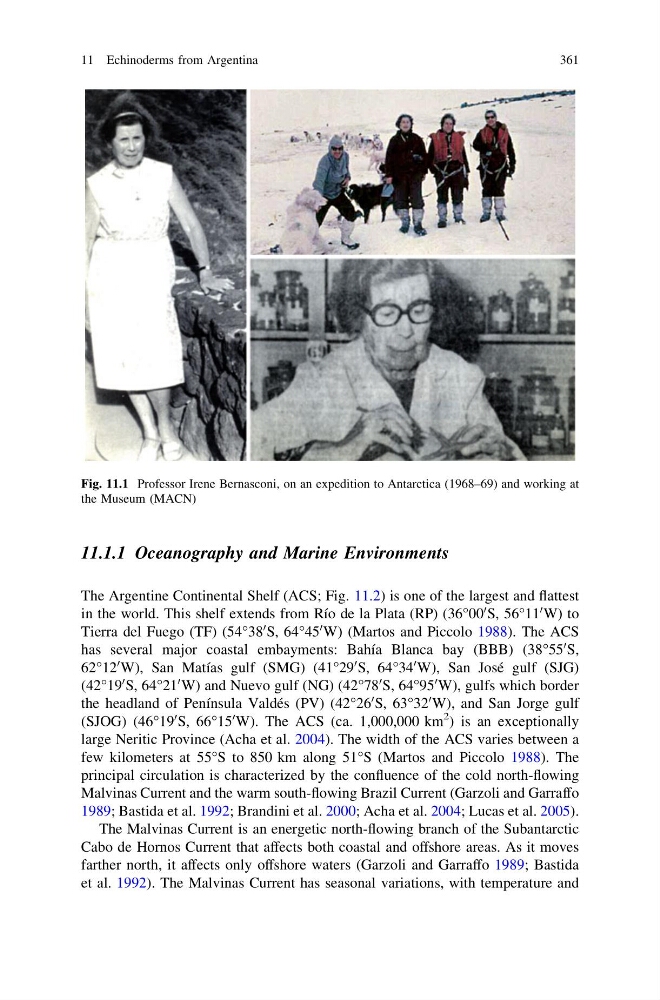
Fig. 11.1 Professor Irene Bernasconi, on an expedition to Antarctica (1968–69) and working at
the Museum (MACN)
11 Echinoderms from Argentina
361
The Argentine Continental Shelf (ACS; Fig. 11.2) is one of the largest and flattest
in the world. This shelf extends from Río de la Plata (RP) (36°00
0 S, 56°11
0 W) to
Tierra del Fuego (TF) (54°38
0 S, 64°45
0 W) (Martos and Piccolo 1988). The ACS
has several major coastal embayments: Bahía Blanca bay (BBB) (38°55
0 S,
62°12
0 W), San Matías gulf (SMG) (41°29
0 S, 64°34
0 W), San José gulf (SJG)
(42°19
0 S, 64°21
0 W) and Nuevo gulf (NG) (42°78
0 S, 64°95
0 W), gulfs which border
the headland of Península Valdés (PV) (42°26
0 S, 63°32
0 W), and San Jorge gulf
(SJOG) (46°19
0 S, 66°15
0 W). The ACS (ca. 1,000,000 km
2 ) is an exceptionally
large Neritic Province (Acha et al. 2004). The width of the ACS varies between a
few kilometers at 55°S to 850 km along 51°S (Martos and Piccolo 1988). The
principal circulation is characterized by the confluence of the cold north-flowing
Malvinas Current and the warm south-flowing Brazil Current (Garzoli and Garraffo
1989; Bastida et al. 1992; Brandini et al. 2000; Acha et al. 2004; Lucas et al. 2005).
The Malvinas Current is an energetic north-flowing branch of the Subantarctic
Cabo de Hornos Current that affects both coastal and offshore areas. As it moves
farther north, it affects only offshore waters (Garzoli and Garraffo 1989; Bastida
et al. 1992). The Malvinas Current has seasonal variations, with temperature and
Fig. 11.1 Professor Irene Bernasconi, on an expedition to Antarctica (1968–69) and working at
the Museum (MACN)
11 Echinoderms from Argentina
361