

been done on echinoderms with information on the first expeditions and collections,
as well as ecology, reproduction, paleontology, bioerosion, competition, among
others studies. 3. Distributional patterns and diversity. 4. If specific fishery or
aquaculture activity exists, this is explained in a section, giving the name of the
species extracted, numbers, and seasons of extraction, regulations, aquaculture
activities, marketing and the benefits to local communities from these activities.
5. A section on threats to echinoderms, explaining the main environmental and
anthropogenic threats that are affecting the echinoderm populations and how. It also
examines whether some echinoderms are affecting the environment (overpopulations, extreme grazing, bioerosion). 6. The final section contains general conclusions from the review and recommendations for future research to meet the needs of
the country.
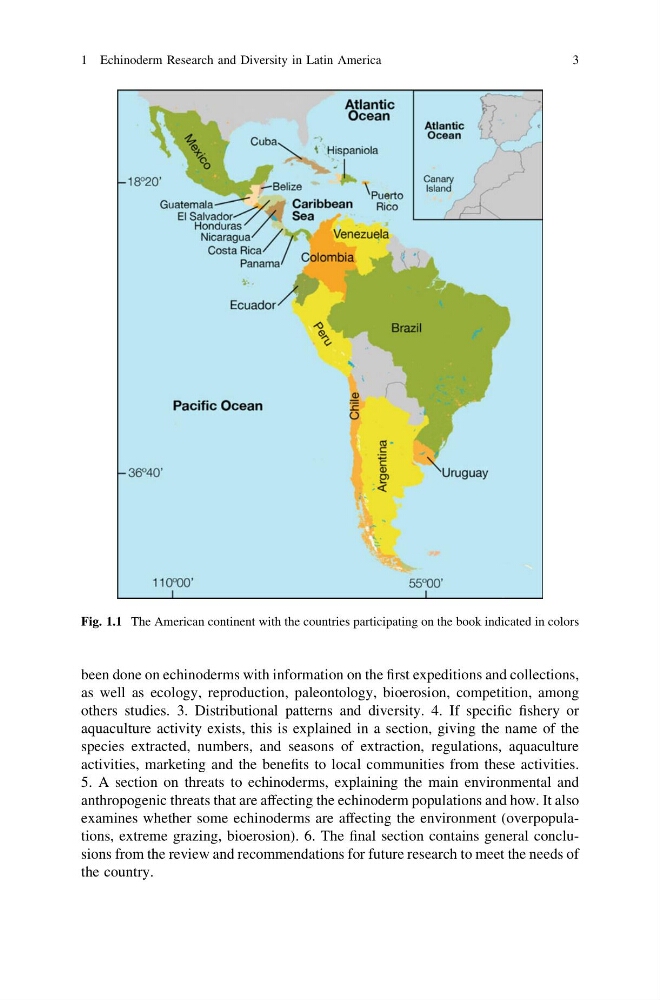
Fig. 1.1 The American continent with the countries participating on the book indicated in colors
1 Echinoderm Research and Diversity in Latin America
3
as well as ecology, reproduction, paleontology, bioerosion, competition, among
others studies. 3. Distributional patterns and diversity. 4. If specific fishery or
aquaculture activity exists, this is explained in a section, giving the name of the
species extracted, numbers, and seasons of extraction, regulations, aquaculture
activities, marketing and the benefits to local communities from these activities.
5. A section on threats to echinoderms, explaining the main environmental and
anthropogenic threats that are affecting the echinoderm populations and how. It also
examines whether some echinoderms are affecting the environment (overpopulations, extreme grazing, bioerosion). 6. The final section contains general conclusions from the review and recommendations for future research to meet the needs of
the country.
Fig. 1.1 The American continent with the countries participating on the book indicated in colors
1 Echinoderm Research and Diversity in Latin America
3