

9 Insecta (Hymenoptera)
103
Fig. 1. Cell migration from an
ovarian explant of the honeybee
Apis mellifera. x 160. Reproduced from Giauffret, A. et al.
(1968) with permission
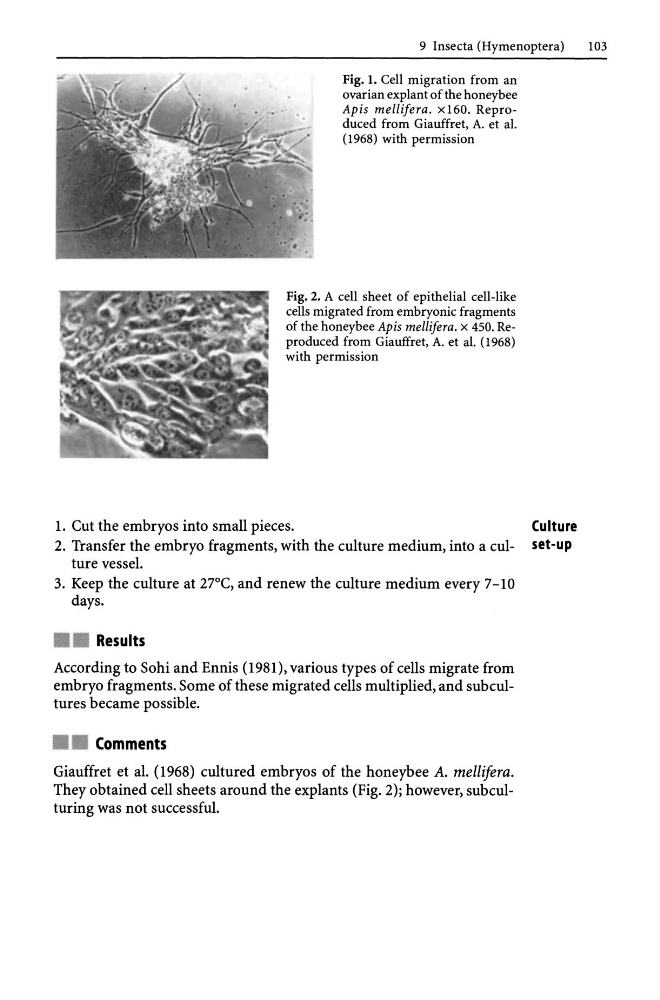
Fig. 2. A cell sheet of epithelial cell-like
cells migrated from embryonic fragments
of the honeybee Apis mellifera. x 450. Reproduced from Giauffret, A. et al. (1968)
with permission
1. Cut the embryos into small pieces.
Culture
2. Transfer the embryo fragments, with the culture medium, into a cul- set-up
ture vessel.
3. Keep the culture at 27°C, and renew the culture medium every 7-10
days .
• • Results
According to Sohi and Ennis (l981), various types of cells migrate from
embryo fragments. Some of these migrated cells multiplied, and subcultures became possible .
• • Comments
Giauffret et al. (l968) cultured embryos of the honeybee A. mellifera.
They obtained cell sheets around the explants (Fig. 2); however, subculturing was not successful.
103
Fig. 1. Cell migration from an
ovarian explant of the honeybee
Apis mellifera. x 160. Reproduced from Giauffret, A. et al.
(1968) with permission
Fig. 2. A cell sheet of epithelial cell-like
cells migrated from embryonic fragments
of the honeybee Apis mellifera. x 450. Reproduced from Giauffret, A. et al. (1968)
with permission
1. Cut the embryos into small pieces.
Culture
2. Transfer the embryo fragments, with the culture medium, into a cul- set-up
ture vessel.
3. Keep the culture at 27°C, and renew the culture medium every 7-10
days .
• • Results
According to Sohi and Ennis (l981), various types of cells migrate from
embryo fragments. Some of these migrated cells multiplied, and subcultures became possible .
• • Comments
Giauffret et al. (l968) cultured embryos of the honeybee A. mellifera.
They obtained cell sheets around the explants (Fig. 2); however, subculturing was not successful.