

7 Insecta (Coleoptera)
89
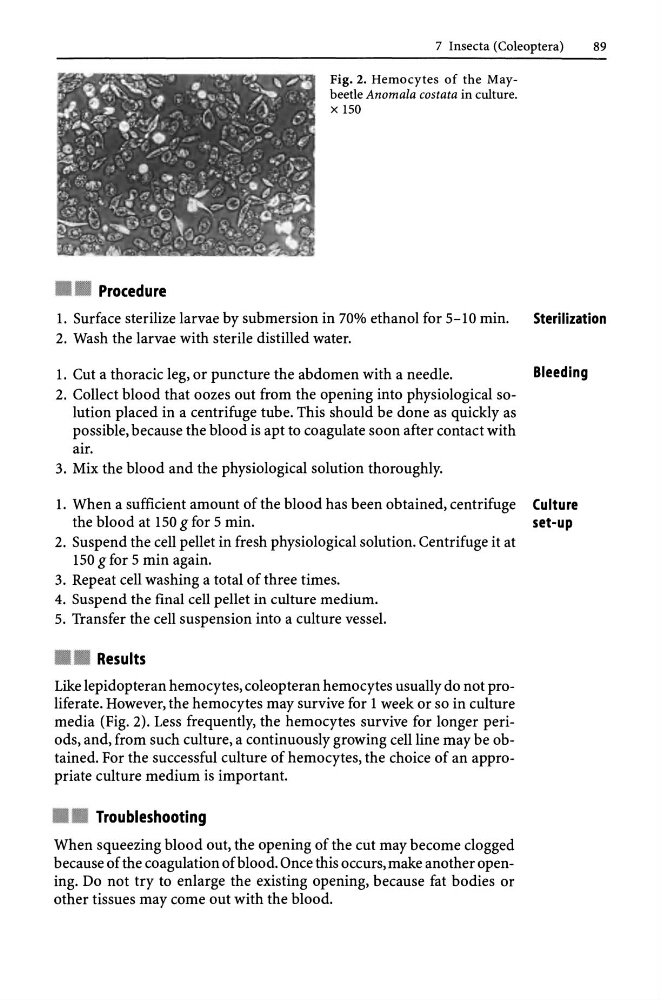
Fig. 2. Hemocytes of the Maybeetle Anomala costata in culture.
x 150
• • Procedure
1. Surface sterilize larvae by submersion in 70% ethanol for 5-10 min.
Sterilization
2. Wash the larvae with sterile distilled water.
1. Cut a thoracic leg, or puncture the abdomen with a needle.
Bleeding
2. Collect blood that oozes out from the opening into physiological solution placed in a centrifuge tube. This should be done as quickly as
possible, because the blood is apt to coagulate soon after contact with
air.
3. Mix the blood and the physiological solution thoroughly.
1. When a sufficient amount of the blood has been obtained, centrifuge Culture
the blood at 150 g for 5 min.
set-up
2. Suspend the cell pellet in fresh physiological solution. Centrifuge it at
150 g for 5 min again.
3. Repeat cell washing a total of three times.
4. Suspend the final cell pellet in culture medium.
5. Transfer the cell suspension into a culture vessel.
• • Results
Like lepidopteran hemocytes, coleopteran hemocytes usually do not proliferate. However, the hemocytes may survive for 1 week or so in culture
media (Fig. 2). Less frequently, the hemocytes survive for longer periods, and, from such culture, a continuously growing cell line may be obtained. For the successful culture of hemocytes, the choice of an appropriate culture medium is important.
• • Troubleshooting
When squeezing blood out, the opening of the cut may become clogged
because of the coagulation of blood. Once this occurs, make another opening. Do not try to enlarge the existing opening, because fat bodies or
other tissues may come out with the blood.
89
Fig. 2. Hemocytes of the Maybeetle Anomala costata in culture.
x 150
• • Procedure
1. Surface sterilize larvae by submersion in 70% ethanol for 5-10 min.
Sterilization
2. Wash the larvae with sterile distilled water.
1. Cut a thoracic leg, or puncture the abdomen with a needle.
Bleeding
2. Collect blood that oozes out from the opening into physiological solution placed in a centrifuge tube. This should be done as quickly as
possible, because the blood is apt to coagulate soon after contact with
air.
3. Mix the blood and the physiological solution thoroughly.
1. When a sufficient amount of the blood has been obtained, centrifuge Culture
the blood at 150 g for 5 min.
set-up
2. Suspend the cell pellet in fresh physiological solution. Centrifuge it at
150 g for 5 min again.
3. Repeat cell washing a total of three times.
4. Suspend the final cell pellet in culture medium.
5. Transfer the cell suspension into a culture vessel.
• • Results
Like lepidopteran hemocytes, coleopteran hemocytes usually do not proliferate. However, the hemocytes may survive for 1 week or so in culture
media (Fig. 2). Less frequently, the hemocytes survive for longer periods, and, from such culture, a continuously growing cell line may be obtained. For the successful culture of hemocytes, the choice of an appropriate culture medium is important.
• • Troubleshooting
When squeezing blood out, the opening of the cut may become clogged
because of the coagulation of blood. Once this occurs, make another opening. Do not try to enlarge the existing opening, because fat bodies or
other tissues may come out with the blood.