

34
2 Nucleic Acids and Nuclear Proteins
10
20
30
40
Sc MKCGrKrrrrrrHACKrKKrACKQrSSTIVrAHLVHrrrAArrCPr
10
20
30
59 Prrrr-SSSrPVrrrrrPrVSrrrrrrGGrrrr
El
PrrrrASSSrPVrrrrrPKMSrrrrr-GGrrrr
10
20
30
40
50
60
Gd ArYrrSrTrSrSPrSrrrrrrSGrrrSPrrrrrYGSArrSrrSVGGrrrrYGSrrrrrrrY
10
20
30
40
50
Bt ArYrCCLTHSGSrCrrrrrrrCrrrrrrFGrrrrrrVCCrrYTVlrCTrQ
Ss ArYrCCrSHSrSrCrPrrrrCrrrrrrCCPrrrrrAVCCrrYTVlrCrrC
Hs ArYrCCrSQSrSrYYrQrQrSrrrrrrSCQTrrrAMrCCrPrYrPrCrrH
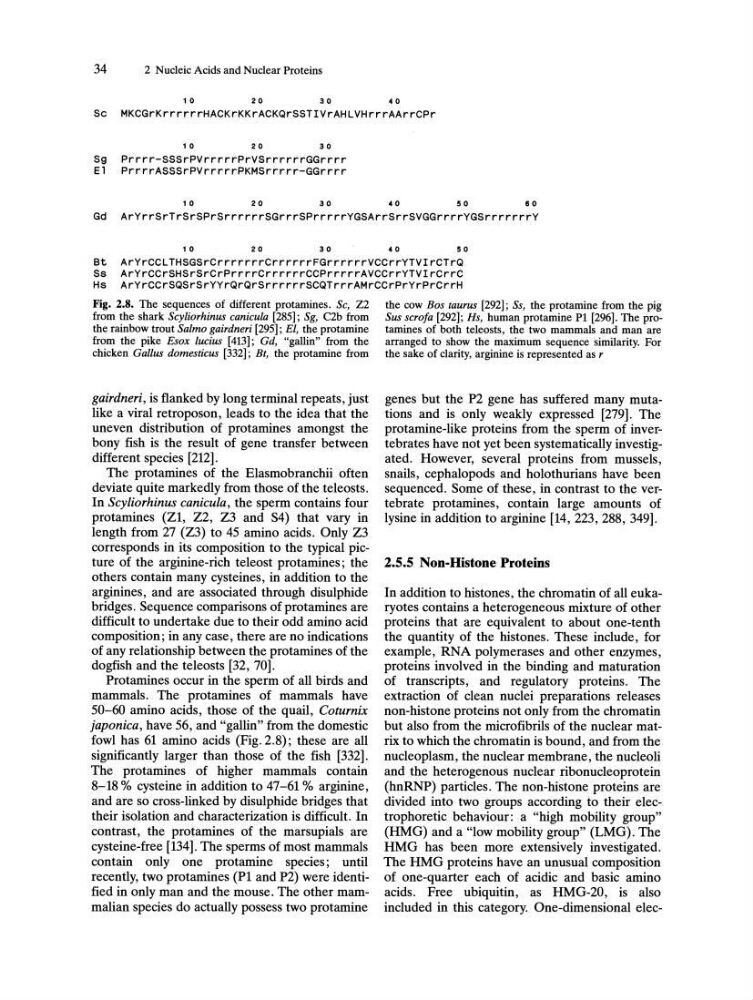
Fig. 2.S. The sequences of different protamines. Sc, Z2
from the shark Scyliorhinus canicula [285]; Sg, C2b from
the rainbow trout Salrno gairdneri [295]; El, the protamine
from the pike Esox lucius [413]; Gd, "gallin" from the
chicken Gallus dornesticus [332]; Bt, the protamine from
gairdneri, is flanked by long terminal repeats, just
like a viral retroposon, leads to the idea that the
uneven distribution of protamines amongst the
bony fish is the result of gene transfer between
different species [212].
The protamines of the Elasmobranchii often
deviate quite markedly from those of the teleosts.
In Scyliorhinus canicula, the sperm contains four
protamines (ZI, Z2, Z3 and S4) that vary in
length from 27 (Z3) to 45 amino acids. Only Z3
corresponds in its composition to the typical picture of the arginine-rich teleost protamines; the
others contain many cysteines, in addition to the
arginines, and are associated through disulphide
bridges. Sequence comparisons of protamines are
difficult to undertake due to their odd amino acid
composition; in any case, there are no indications
of any relationship between the protamines of the
dogfish and the teleosts [32, 70].
Protamines occur in the sperm of all birds and
mammals. The protamines of mammals have
50-60 amino acids, those of the quail, Coturnix
japonica, have 56, and "gallin" from the domestic
fowl has 61 amino acids (Fig. 2.8); these are all
significantly larger than those of the fish [332].
The protamines of higher mammals contain
8-18 % cysteine in addition to 47-61 % arginine,
and are so cross-linked by disulphide bridges that
their isolation and characterization is difficult. In
contrast, the protamines of the marsupials are
cysteine-free [134]. The sperms of most mammals
contain only one protamine species; until
recently, two protamines (PI and P2) were identified in only man and the mouse. The other mammalian species do actually possess two protamine
the cow Bos taurus [292]; Ss, the protamine from the pig
Sus scrofa [292]; Hs, human protamine PI [296]. The protamines of both teleosts, the two mammals and man are
arranged to show the maximum sequence similarity. For
the sake of clarity, arginine is represented as r
genes but the P2 gene has suffered many mutations and is only weakly expressed [279]. The
protamine-like proteins from the sperm of invertebrates have not yet been systematically investigated. However, several proteins from mussels,
snails, cephalopods and holothurians have been
sequenced. Some of these, in contrast to the vertebrate protamines, contain large amounts of
lysine in addition to arginine [14, 223,288, 349].
2.5.5 Non-Histone Proteins
In addition to histones, the chromatin of all eukaryotes contains a heterogeneous mixture of other
proteins that are equivalent to about one-tenth
the quantity of the histones. These include, for
example, RNA polymerases and other enzymes,
proteins involved in the binding and maturation
of transcripts, and regulatory proteins. The
extraction of clean nuclei preparations releases
non-histone proteins not only from the chromatin
but also from the microfibrils of the nuclear matrix to which the chromatin is bound, and from the
nucleoplasm, the nuclear membrane, the nucleoli
and the heterogenous nuclear ribonucleoprotein
(hnRNP) particles. The non-histone proteins are
divided into two groups according to their electrophoretic behaviour: a "high mobility group"
(HMG) and a "low mobility group" (LMG). The
HMG has been more extensively investigated.
The HMG proteins have an unusual composition
of one-quarter each of acidic and basic amino
acids. Free ubiquitin, as HMG-20, is also
included in this category. One-dimensional elec-
2 Nucleic Acids and Nuclear Proteins
10
20
30
40
Sc MKCGrKrrrrrrHACKrKKrACKQrSSTIVrAHLVHrrrAArrCPr
10
20
30
59 Prrrr-SSSrPVrrrrrPrVSrrrrrrGGrrrr
El
PrrrrASSSrPVrrrrrPKMSrrrrr-GGrrrr
10
20
30
40
50
60
Gd ArYrrSrTrSrSPrSrrrrrrSGrrrSPrrrrrYGSArrSrrSVGGrrrrYGSrrrrrrrY
10
20
30
40
50
Bt ArYrCCLTHSGSrCrrrrrrrCrrrrrrFGrrrrrrVCCrrYTVlrCTrQ
Ss ArYrCCrSHSrSrCrPrrrrCrrrrrrCCPrrrrrAVCCrrYTVlrCrrC
Hs ArYrCCrSQSrSrYYrQrQrSrrrrrrSCQTrrrAMrCCrPrYrPrCrrH
Fig. 2.S. The sequences of different protamines. Sc, Z2
from the shark Scyliorhinus canicula [285]; Sg, C2b from
the rainbow trout Salrno gairdneri [295]; El, the protamine
from the pike Esox lucius [413]; Gd, "gallin" from the
chicken Gallus dornesticus [332]; Bt, the protamine from
gairdneri, is flanked by long terminal repeats, just
like a viral retroposon, leads to the idea that the
uneven distribution of protamines amongst the
bony fish is the result of gene transfer between
different species [212].
The protamines of the Elasmobranchii often
deviate quite markedly from those of the teleosts.
In Scyliorhinus canicula, the sperm contains four
protamines (ZI, Z2, Z3 and S4) that vary in
length from 27 (Z3) to 45 amino acids. Only Z3
corresponds in its composition to the typical picture of the arginine-rich teleost protamines; the
others contain many cysteines, in addition to the
arginines, and are associated through disulphide
bridges. Sequence comparisons of protamines are
difficult to undertake due to their odd amino acid
composition; in any case, there are no indications
of any relationship between the protamines of the
dogfish and the teleosts [32, 70].
Protamines occur in the sperm of all birds and
mammals. The protamines of mammals have
50-60 amino acids, those of the quail, Coturnix
japonica, have 56, and "gallin" from the domestic
fowl has 61 amino acids (Fig. 2.8); these are all
significantly larger than those of the fish [332].
The protamines of higher mammals contain
8-18 % cysteine in addition to 47-61 % arginine,
and are so cross-linked by disulphide bridges that
their isolation and characterization is difficult. In
contrast, the protamines of the marsupials are
cysteine-free [134]. The sperms of most mammals
contain only one protamine species; until
recently, two protamines (PI and P2) were identified in only man and the mouse. The other mammalian species do actually possess two protamine
the cow Bos taurus [292]; Ss, the protamine from the pig
Sus scrofa [292]; Hs, human protamine PI [296]. The protamines of both teleosts, the two mammals and man are
arranged to show the maximum sequence similarity. For
the sake of clarity, arginine is represented as r
genes but the P2 gene has suffered many mutations and is only weakly expressed [279]. The
protamine-like proteins from the sperm of invertebrates have not yet been systematically investigated. However, several proteins from mussels,
snails, cephalopods and holothurians have been
sequenced. Some of these, in contrast to the vertebrate protamines, contain large amounts of
lysine in addition to arginine [14, 223,288, 349].
2.5.5 Non-Histone Proteins
In addition to histones, the chromatin of all eukaryotes contains a heterogeneous mixture of other
proteins that are equivalent to about one-tenth
the quantity of the histones. These include, for
example, RNA polymerases and other enzymes,
proteins involved in the binding and maturation
of transcripts, and regulatory proteins. The
extraction of clean nuclei preparations releases
non-histone proteins not only from the chromatin
but also from the microfibrils of the nuclear matrix to which the chromatin is bound, and from the
nucleoplasm, the nuclear membrane, the nucleoli
and the heterogenous nuclear ribonucleoprotein
(hnRNP) particles. The non-histone proteins are
divided into two groups according to their electrophoretic behaviour: a "high mobility group"
(HMG) and a "low mobility group" (LMG). The
HMG has been more extensively investigated.
The HMG proteins have an unusual composition
of one-quarter each of acidic and basic amino
acids. Free ubiquitin, as HMG-20, is also
included in this category. One-dimensional elec-