

12.5.2 Sulphur-Containing Amino Acids
423
HOOC-CH-CH CH -S-CH
I
2
2
3
Methionine
NH2
I
+ (+)
HOOC-CH-CH CH -S-CH
I
2
2
I
3
Adenosylmethionine
NH2
l Adenosine
HOOC-CH-CH CH - 5
I
2
2
I
Adenosylhomocysteine
NH2
l Adenosine
HOOC-CH- C H 2 CH 2 - SH
I
HO-CH 2 -CH-COOH
I
NH2
NH2
Homocysteine
y
Serine
HOOC-CH-CH CH -S-CH -CH-COOH
I
2
2
2
I
NH2
NH2
Cystathionine
HS-CH -CH -COOH
2
I
NH2
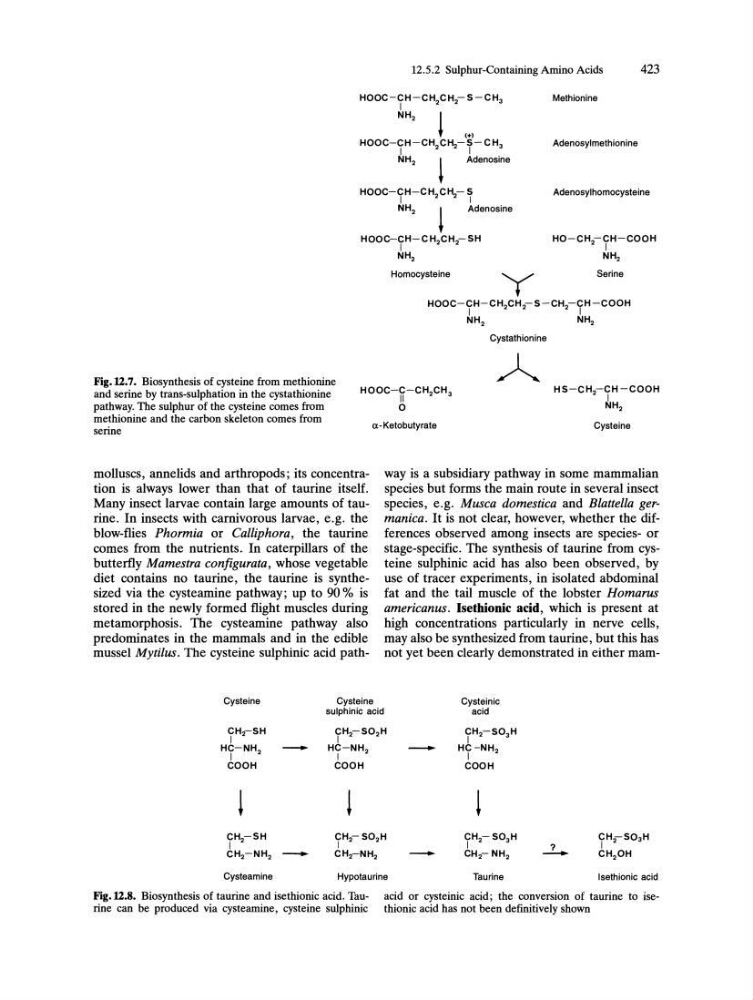
Fig.12.7. Biosynthesis of cysteine from methionine
and serine by trans-sulphation in the cystathionine
pathway. The sulphur of the cysteine comes from
methionine and the carbon skeleton comes from
serine
u-Ketobutyrate
Cysteine
molluscs, annelids and arthropods; its concentration is always lower than that of taurine itself.
Many insect larvae contain large amounts of taurine. In insects with carnivorous larvae, e.g. the
blow-flies Phormia or Calliphora, the taurine
comes from the nutrients. In caterpillars of the
butterfly Mamestra configurata, whose vegetable
diet contains no taurine, the taurine is synthesized via the cysteamine pathway; up to 90 % is
stored in the newly formed flight muscles during
metamorphosis. The cysteamine pathway also
predominates in the mammals and in the edible
mussel Mytilus. The cysteine sulphinic acid pathCysteine
Cysteine
sulphinic acid
way is a subsidiary pathway in some mammalian
species but forms the main route in several insect
species, e.g. Musca domestica and Blattella germanica. It is not clear, however, whether the differences observed among insects are species- or
stage-specific. The synthesis of taurine from cysteine sulphinic acid has also been observed, by
use of tracer experiments, in isolated abdominal
fat and the tail muscle of the lobster Homarus
american us . Isethionic acid, which is present at
high concentrations particularly in nerve cells,
may also be synthesized from taurine, but this has
not yet been clearly demonstrated in either mamCysteinic
acid
CH2-SH
I
CH2-S02H
I
HC-NH 2
-
HC-NH 2
I
I
-
COOH
COOH
l
l
CH 2 -SH
I
CH2-S02H
I
CH2-NH 2
-
CH2-NH 2
-
Cysteamine
Hypotaurine
Taurine
Isethionic acid
Fig.12.S. Biosynthesis of taurine and isethionic acid. Taurine can be produced via cysteamine, cysteine sulphinic
acid or cysteinic acid; the conversion of taurine to isethionic acid has not been definitively shown
423
HOOC-CH-CH CH -S-CH
I
2
2
3
Methionine
NH2
I
+ (+)
HOOC-CH-CH CH -S-CH
I
2
2
I
3
Adenosylmethionine
NH2
l Adenosine
HOOC-CH-CH CH - 5
I
2
2
I
Adenosylhomocysteine
NH2
l Adenosine
HOOC-CH- C H 2 CH 2 - SH
I
HO-CH 2 -CH-COOH
I
NH2
NH2
Homocysteine
y
Serine
HOOC-CH-CH CH -S-CH -CH-COOH
I
2
2
2
I
NH2
NH2
Cystathionine
HS-CH -CH -COOH
2
I
NH2
Fig.12.7. Biosynthesis of cysteine from methionine
and serine by trans-sulphation in the cystathionine
pathway. The sulphur of the cysteine comes from
methionine and the carbon skeleton comes from
serine
u-Ketobutyrate
Cysteine
molluscs, annelids and arthropods; its concentration is always lower than that of taurine itself.
Many insect larvae contain large amounts of taurine. In insects with carnivorous larvae, e.g. the
blow-flies Phormia or Calliphora, the taurine
comes from the nutrients. In caterpillars of the
butterfly Mamestra configurata, whose vegetable
diet contains no taurine, the taurine is synthesized via the cysteamine pathway; up to 90 % is
stored in the newly formed flight muscles during
metamorphosis. The cysteamine pathway also
predominates in the mammals and in the edible
mussel Mytilus. The cysteine sulphinic acid pathCysteine
Cysteine
sulphinic acid
way is a subsidiary pathway in some mammalian
species but forms the main route in several insect
species, e.g. Musca domestica and Blattella germanica. It is not clear, however, whether the differences observed among insects are species- or
stage-specific. The synthesis of taurine from cysteine sulphinic acid has also been observed, by
use of tracer experiments, in isolated abdominal
fat and the tail muscle of the lobster Homarus
american us . Isethionic acid, which is present at
high concentrations particularly in nerve cells,
may also be synthesized from taurine, but this has
not yet been clearly demonstrated in either mamCysteinic
acid
CH2-SH
I
CH2-S02H
I
HC-NH 2
-
HC-NH 2
I
I
-
COOH
COOH
l
l
CH 2 -SH
I
CH2-S02H
I
CH2-NH 2
-
CH2-NH 2
-
Cysteamine
Hypotaurine
Taurine
Isethionic acid
Fig.12.S. Biosynthesis of taurine and isethionic acid. Taurine can be produced via cysteamine, cysteine sulphinic
acid or cysteinic acid; the conversion of taurine to isethionic acid has not been definitively shown