

ornithine, lysine, proline and branched-chain
amino acids (valine, isoleucine, leucine); the type
of inhibition (competitive or non-competitive)
varies with the species [42].
In animals, there is a second ureohydrolase
which hydrolyses y-guanidinobutyric acid to yaminobutyric acid and urea, but is inactive
against arginine. The y-guanidinobutyric acid
arises by the decarboxylation of a-keto-~guanidinovaleric acid, which itself is produced by
the transamination (mammalian liver) or oxidative deamination (avian liver, hepatopancreas of
marine molluscs and crustaceans) of arginine
(Fig. 12.4). The y-guanidinobutyrate hydrolase
has been isolated from the liver and kidney of the
ray Raja clavata, and has been separated from the
arginases. Like arginase, it is activated by Mn2+
and has a pH optimum of 9.5. The enzyme is
widely distributed, having been reported in many
gastropods, bivalves and crayfish. It is apparently
absent from cephalopods, marine crustaceans
and the scorpion Andraetonus. Out of ten investigated mammalian species, only the pig and rabbit had activity in the liver; all the bird species
examined, except the pigeon, had the enzyme in
the liver and some species also possessed it in the
kidney. In reptiles and amphibians, as well as in
bony and cartilaginous fish, the enzyme is detectable in both liver and kidney.
Flight muscle
Pyruvate
f®
Malate
"y\
Succinate
Citrate
~~
Glutamate:
t
12.5.1 Proline
421
12.5 Metabolism of Individual Amino
Acids
12.5.1 Proline
The most interesting comparative biochemical
aspect of proline metabolism lies in its importance for energy metabolism in the insects.
According to the species, insect flight muscles
receive their energy supplies from carbohydrates,
triacylglycerol or proline (p.581). The haemolymph of most insects has a high proline content
(Table 12.1), the highest known being that of the
tsetse fly Glossina morsitans, which at rest has as
much as 170 mmolll. High proline concentrations
in the flight muscles, its reduction during flight,
and the preferred oxidation of proline in the sarco somes is found in particular in the bloodsucking dipterans Glossina morsitans and Stomoxys ealcitrans, as well as in the beetles Leptinotarsa deeemlineata and Popillia japoniea
[46, 260]. The pathway of proline degradation
was first determined in the flight muscles of
Glossina using specifically labelled substrates,
but applies to all proline-oxidizing muscles
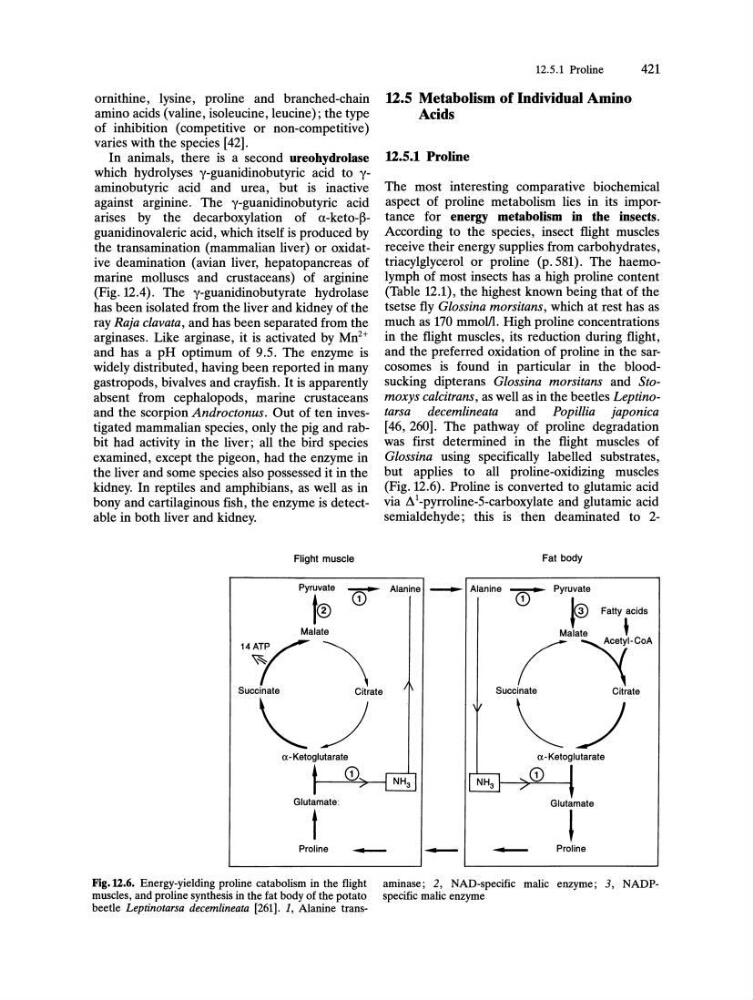
(Fig. 12.6). Proline is converted to glutamic acid
via ~1-pyrroline-5-carboxylate and glutamic acid
semialdehyde; this is then de aminated to 2Fat body
Alanine -
Alanine T Pyruvate
'0 Fatty acids
Malate
,
(
~'-COA
Succinate
Citrate
~~
(J.- Ketoglutarate
,G) 1
' "
t
I~
Glutamate
,
Proline
- - -
Proline
Fig.12.6. Energy-yielding proline catabolism in the flight
muscles, and proline synthesis in the fat body of the potato
beetle Leptinotarsa decemlineata [261]. 1, Alanine transaminase; 2, NAD-specific malic enzyme; 3, NADPspecific malic enzyme
amino acids (valine, isoleucine, leucine); the type
of inhibition (competitive or non-competitive)
varies with the species [42].
In animals, there is a second ureohydrolase
which hydrolyses y-guanidinobutyric acid to yaminobutyric acid and urea, but is inactive
against arginine. The y-guanidinobutyric acid
arises by the decarboxylation of a-keto-~guanidinovaleric acid, which itself is produced by
the transamination (mammalian liver) or oxidative deamination (avian liver, hepatopancreas of
marine molluscs and crustaceans) of arginine
(Fig. 12.4). The y-guanidinobutyrate hydrolase
has been isolated from the liver and kidney of the
ray Raja clavata, and has been separated from the
arginases. Like arginase, it is activated by Mn2+
and has a pH optimum of 9.5. The enzyme is
widely distributed, having been reported in many
gastropods, bivalves and crayfish. It is apparently
absent from cephalopods, marine crustaceans
and the scorpion Andraetonus. Out of ten investigated mammalian species, only the pig and rabbit had activity in the liver; all the bird species
examined, except the pigeon, had the enzyme in
the liver and some species also possessed it in the
kidney. In reptiles and amphibians, as well as in
bony and cartilaginous fish, the enzyme is detectable in both liver and kidney.
Flight muscle
Pyruvate
f®
Malate
"y\
Succinate
Citrate
~~
Glutamate:
t
12.5.1 Proline
421
12.5 Metabolism of Individual Amino
Acids
12.5.1 Proline
The most interesting comparative biochemical
aspect of proline metabolism lies in its importance for energy metabolism in the insects.
According to the species, insect flight muscles
receive their energy supplies from carbohydrates,
triacylglycerol or proline (p.581). The haemolymph of most insects has a high proline content
(Table 12.1), the highest known being that of the
tsetse fly Glossina morsitans, which at rest has as
much as 170 mmolll. High proline concentrations
in the flight muscles, its reduction during flight,
and the preferred oxidation of proline in the sarco somes is found in particular in the bloodsucking dipterans Glossina morsitans and Stomoxys ealcitrans, as well as in the beetles Leptinotarsa deeemlineata and Popillia japoniea
[46, 260]. The pathway of proline degradation
was first determined in the flight muscles of
Glossina using specifically labelled substrates,
but applies to all proline-oxidizing muscles
(Fig. 12.6). Proline is converted to glutamic acid
via ~1-pyrroline-5-carboxylate and glutamic acid
semialdehyde; this is then de aminated to 2Fat body
Alanine -
Alanine T Pyruvate
'0 Fatty acids
Malate
,
(
~'-COA
Succinate
Citrate
~~
(J.- Ketoglutarate
,G) 1
' "
t
I~
Glutamate
,
Proline
- - -
Proline
Fig.12.6. Energy-yielding proline catabolism in the flight
muscles, and proline synthesis in the fat body of the potato
beetle Leptinotarsa decemlineata [261]. 1, Alanine transaminase; 2, NAD-specific malic enzyme; 3, NADPspecific malic enzyme