

5.10 Metallothioneins
209
Ech MPDVKcVccTEGKEcAcFGQDccKGDTccGlcNAAcKcANGcKcGSGcScTEGNcAc
I·
~
"I(X
"I
Hum MDPNcScAAGDScTcAGScKcKE-cKcTScKKSccSccPVGcAKcAQGclcKGASDK-cSccA
Scy
PGPc-c--NDKcVcKEG-GcKEGcQcTScRcSPcEKcSSGc-KcANKEEcSKTcSKAcSccPT
Dm-n
MPc-PcGSGcKcASQATKGScNcGSDc-KcGGDKKSAcGcSE
Dm-o
MVcK-GcGTNcQcSAQKcGDNcAcNKDc-QcVcKNGPKDQccSNK
a
-760
-350
-300
-250
-200
-150
-100
-50
+1
Interferon
Glucocorticoid
Heavy metal
(distal)
(prOximat)
b
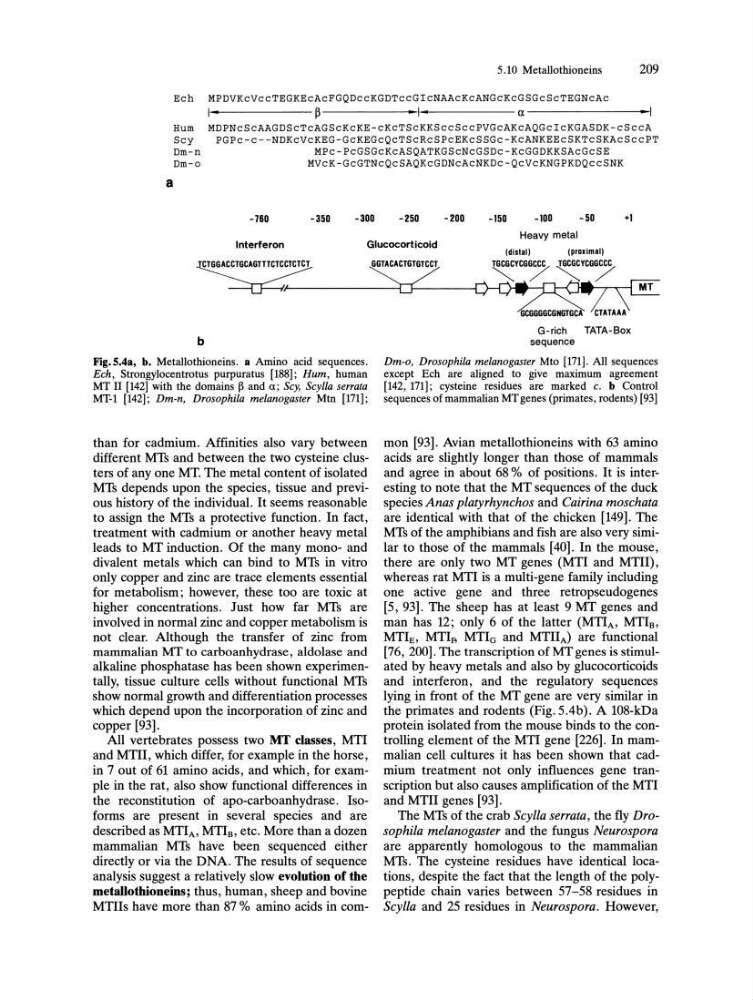
Fig.5.43, b. Metallothioneins. 3 Amino acid sequences.
Ech, Strongylocentrotus purpuratus [188]; Hum, human
MT II [142] with the domains ~ and a; Scy, Scylla serrata
MT-l [142]; Dm-n, Drosophila melanogaster Mtn [171];
than for cadmium. Affinities also vary between
different MTs and between the two cysteine clusters of anyone MT. The metal content of isolated
MTs depends upon the species, tissue and previous history of the individual. It seems reasonable
to assign the MTs a protective function. In fact,
treatment with cadmium or another heavy metal
leads to MT induction. Of the many mono- and
divalent metals which can bind to MTs in vitro
only copper and zinc are trace elements essential
for metabolism; however, these too are toxic at
higher concentrations. Just how far MTs are
involved in normal zinc and copper metabolism is
not clear. Although the transfer of zinc from
mammalian MT to carboanhydrase, aldolase and
alkaline phosphatase has been shown experimentally, tissue culture cells without functional MTs
show normal growth and differentiation processes
which depend upon the incorporation of zinc and
copper [93].
All vertebrates possess two MT classes, MTI
and MTII, which differ, for example in the horse,
in 7 out of 61 amino acids, and which, for example in the rat, also show functional differences in
the reconstitution of apo-carboanhydrase. Isoforms are present in several species and are
described as MTIA, MTIB , etc. More than a dozen
mammalian MTs have been sequenced either
directly or via the DNA. The results of sequence
analysis suggest a relatively slow evolution of the
metallothioneins; thus, human, sheep and bovine
MTIIs have more than 87 % amino acids in comGGTACACTGTGTCCT
~YCG/ ~YCG/
G-rich
TATA-Box
sequence
Dm-o, Drosophila melanogaster Mto [171]. All sequences
except Ech are aligned to give maximum agreement
[142, 171]; cysteine residues are marked c. b Control
sequences of mammalian MT genes (primates, rodents) [93]
mon [93]. Avian metallothioneins with 63 amino
acids are slightly longer than those of mammals
and agree in about 68 % of positions. It is interesting to note that the MT sequences of the duck
species Anas platyrhynchos and Cairina moschata
are identical with that of the chicken [149]. The
MTs of the amphibians and fish are also very similar to those of the mammals [40]. In the mouse,
there are only two MT genes (MTI and MTII) ,
whereas rat MTI is a mUlti-gene family including
one active gene and three retropseudogenes
[5, 93]. The sheep has at least 9 MT genes and
man has 12; only 6 of the latter (MTIA' MTIB ,
MTIE , MTIB MTIG and MTIIA) are functional
[76, 200]. The transcription of MT genes is stimulated by heavy metals and also by glucocorticoids
and interferon, and the regulatory sequences
lying in front of the MT gene are very similar in
the primates and rodents (Fig. 5.4b). A 108-kDa
protein isolated from the mouse binds to the controlling element of the MTI gene [226]. In mammalian cell cultures it has been shown that cadmium treatment not only influences gene transcription but also causes amplification of the MTI
and MTII genes [93].
The MTs of the crab Scylla serrata, the fly Drosophila melanogaster and the fungus Neurospora
are apparently homologous to the mammalian
MTs. The cysteine residues have identical locations, despite the fact that the length of the polypeptide chain varies between 57-58 residues in
Scylla and 25 residues in Neurospora. However,
209
Ech MPDVKcVccTEGKEcAcFGQDccKGDTccGlcNAAcKcANGcKcGSGcScTEGNcAc
I·
~
"I(X
"I
Hum MDPNcScAAGDScTcAGScKcKE-cKcTScKKSccSccPVGcAKcAQGclcKGASDK-cSccA
Scy
PGPc-c--NDKcVcKEG-GcKEGcQcTScRcSPcEKcSSGc-KcANKEEcSKTcSKAcSccPT
Dm-n
MPc-PcGSGcKcASQATKGScNcGSDc-KcGGDKKSAcGcSE
Dm-o
MVcK-GcGTNcQcSAQKcGDNcAcNKDc-QcVcKNGPKDQccSNK
a
-760
-350
-300
-250
-200
-150
-100
-50
+1
Interferon
Glucocorticoid
Heavy metal
(distal)
(prOximat)
b
Fig.5.43, b. Metallothioneins. 3 Amino acid sequences.
Ech, Strongylocentrotus purpuratus [188]; Hum, human
MT II [142] with the domains ~ and a; Scy, Scylla serrata
MT-l [142]; Dm-n, Drosophila melanogaster Mtn [171];
than for cadmium. Affinities also vary between
different MTs and between the two cysteine clusters of anyone MT. The metal content of isolated
MTs depends upon the species, tissue and previous history of the individual. It seems reasonable
to assign the MTs a protective function. In fact,
treatment with cadmium or another heavy metal
leads to MT induction. Of the many mono- and
divalent metals which can bind to MTs in vitro
only copper and zinc are trace elements essential
for metabolism; however, these too are toxic at
higher concentrations. Just how far MTs are
involved in normal zinc and copper metabolism is
not clear. Although the transfer of zinc from
mammalian MT to carboanhydrase, aldolase and
alkaline phosphatase has been shown experimentally, tissue culture cells without functional MTs
show normal growth and differentiation processes
which depend upon the incorporation of zinc and
copper [93].
All vertebrates possess two MT classes, MTI
and MTII, which differ, for example in the horse,
in 7 out of 61 amino acids, and which, for example in the rat, also show functional differences in
the reconstitution of apo-carboanhydrase. Isoforms are present in several species and are
described as MTIA, MTIB , etc. More than a dozen
mammalian MTs have been sequenced either
directly or via the DNA. The results of sequence
analysis suggest a relatively slow evolution of the
metallothioneins; thus, human, sheep and bovine
MTIIs have more than 87 % amino acids in comGGTACACTGTGTCCT
~YCG/ ~YCG/
G-rich
TATA-Box
sequence
Dm-o, Drosophila melanogaster Mto [171]. All sequences
except Ech are aligned to give maximum agreement
[142, 171]; cysteine residues are marked c. b Control
sequences of mammalian MT genes (primates, rodents) [93]
mon [93]. Avian metallothioneins with 63 amino
acids are slightly longer than those of mammals
and agree in about 68 % of positions. It is interesting to note that the MT sequences of the duck
species Anas platyrhynchos and Cairina moschata
are identical with that of the chicken [149]. The
MTs of the amphibians and fish are also very similar to those of the mammals [40]. In the mouse,
there are only two MT genes (MTI and MTII) ,
whereas rat MTI is a mUlti-gene family including
one active gene and three retropseudogenes
[5, 93]. The sheep has at least 9 MT genes and
man has 12; only 6 of the latter (MTIA' MTIB ,
MTIE , MTIB MTIG and MTIIA) are functional
[76, 200]. The transcription of MT genes is stimulated by heavy metals and also by glucocorticoids
and interferon, and the regulatory sequences
lying in front of the MT gene are very similar in
the primates and rodents (Fig. 5.4b). A 108-kDa
protein isolated from the mouse binds to the controlling element of the MTI gene [226]. In mammalian cell cultures it has been shown that cadmium treatment not only influences gene transcription but also causes amplification of the MTI
and MTII genes [93].
The MTs of the crab Scylla serrata, the fly Drosophila melanogaster and the fungus Neurospora
are apparently homologous to the mammalian
MTs. The cysteine residues have identical locations, despite the fact that the length of the polypeptide chain varies between 57-58 residues in
Scylla and 25 residues in Neurospora. However,