

288
S. Gobert et al.
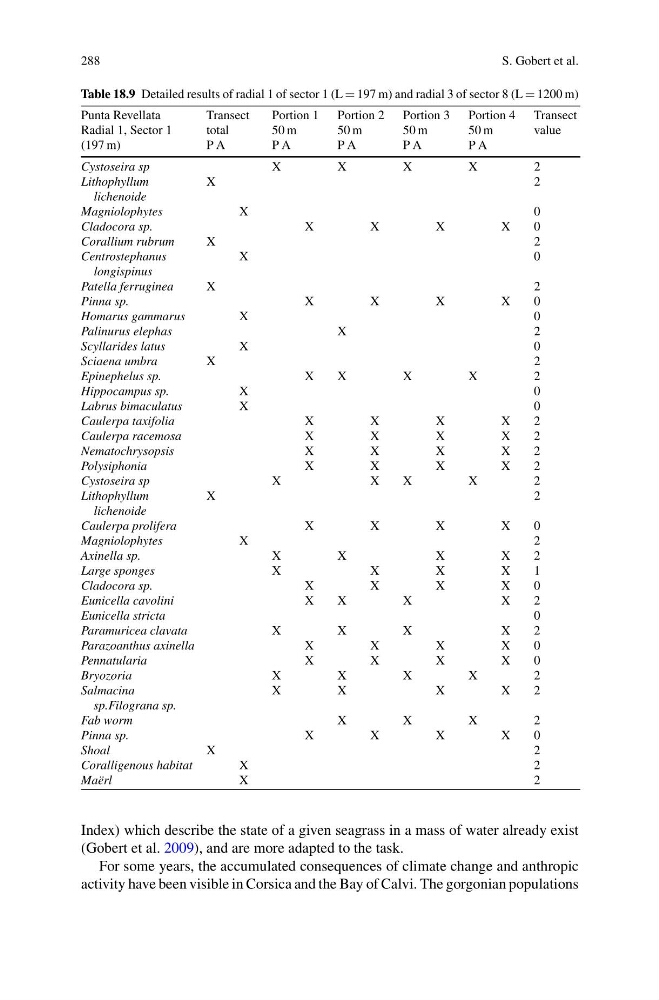
Table 18.9 Detailed results of radial 1 of sector 1 (L = 197 m) and radial 3 of sector 8 (L = 1200 m)
Punta Revellata
Radial 1, Sector 1
(197 m)
Transect
total
P A
Portion 1
50 m
P A
Portion 2
50 m
P A
Portion 3
50 m
P A
Portion 4
50 m
P A
Transect
value
Cystoseira sp
X
X
X
X
2
Lithophyllum
lichenoide
X
2
Magniolophytes
X
0
Cladocora sp.
X
X
X
X
0
Corallium rubrum
X
2
Centrostephanus
longispinus
X
0
Patella ferruginea
X
2
Pinna sp.
X
X
X
X
0
Homarus gammarus
X
0
Palinurus elephas
X
2
Scyllarides latus
X
0
Sciaena umbra
X
2
Epinephelus sp.
X
X
X
X
2
Hippocampus sp.
X
0
Labrus bimaculatus
X
0
Caulerpa taxifolia
X
X
X
X
2
Caulerpa racemosa
X
X
X
X
2
Nematochrysopsis
X
X
X
X
2
Polysiphonia
X
X
X
X
2
Cystoseira sp
X
X
X
X
2
Lithophyllum
lichenoide
X
2
Caulerpa prolifera
X
X
X
X
0
Magniolophytes
X
2
Axinella sp.
X
X
X
X
2
Large sponges
X
X
X
X
1
Cladocora sp.
X
X
X
X
0
Eunicella cavolini
X
X
X
X
2
Eunicella stricta
0
Paramuricea clavata
X
X
X
X
2
Parazoanthus axinella
X
X
X
X
0
Pennatularia
X
X
X
X
0
Bryozoria
X
X
X
X
2
Salmacina
sp.Filograna sp.
X
X
X
X
2
Fab worm
X
X
X
2
Pinna sp.
X
X
X
X
0
Shoal
X
2
Coralligenous habitat
X
2
Maërl
X
2
Index) which describe the state of a given seagrass in a mass of water already exist
(Gobert et al. 2009), and are more adapted to the task.
For some years, the accumulated consequences of climate change and anthropic
activity have been visible in Corsica and the Bay of Calvi. The gorgonian populations
S. Gobert et al.
Table 18.9 Detailed results of radial 1 of sector 1 (L = 197 m) and radial 3 of sector 8 (L = 1200 m)
Punta Revellata
Radial 1, Sector 1
(197 m)
Transect
total
P A
Portion 1
50 m
P A
Portion 2
50 m
P A
Portion 3
50 m
P A
Portion 4
50 m
P A
Transect
value
Cystoseira sp
X
X
X
X
2
Lithophyllum
lichenoide
X
2
Magniolophytes
X
0
Cladocora sp.
X
X
X
X
0
Corallium rubrum
X
2
Centrostephanus
longispinus
X
0
Patella ferruginea
X
2
Pinna sp.
X
X
X
X
0
Homarus gammarus
X
0
Palinurus elephas
X
2
Scyllarides latus
X
0
Sciaena umbra
X
2
Epinephelus sp.
X
X
X
X
2
Hippocampus sp.
X
0
Labrus bimaculatus
X
0
Caulerpa taxifolia
X
X
X
X
2
Caulerpa racemosa
X
X
X
X
2
Nematochrysopsis
X
X
X
X
2
Polysiphonia
X
X
X
X
2
Cystoseira sp
X
X
X
X
2
Lithophyllum
lichenoide
X
2
Caulerpa prolifera
X
X
X
X
0
Magniolophytes
X
2
Axinella sp.
X
X
X
X
2
Large sponges
X
X
X
X
1
Cladocora sp.
X
X
X
X
0
Eunicella cavolini
X
X
X
X
2
Eunicella stricta
0
Paramuricea clavata
X
X
X
X
2
Parazoanthus axinella
X
X
X
X
0
Pennatularia
X
X
X
X
0
Bryozoria
X
X
X
X
2
Salmacina
sp.Filograna sp.
X
X
X
X
2
Fab worm
X
X
X
2
Pinna sp.
X
X
X
X
0
Shoal
X
2
Coralligenous habitat
X
2
Maërl
X
2
Index) which describe the state of a given seagrass in a mass of water already exist
(Gobert et al. 2009), and are more adapted to the task.
For some years, the accumulated consequences of climate change and anthropic
activity have been visible in Corsica and the Bay of Calvi. The gorgonian populations