

11 Management of Infralittoral Habitats: Towards a Seascape Scale Approach
173
Dependence
towards
adjacent area
Approach by « management of juvenile habitats »
Shallow heterogeneous rocky
boƩoms >> Diplodus spp.
Cystoseira forests >>
Symphodus spp.
Cartography: where are nursery
habitats and in which amount?
Inside statutory protecƟon areas
(ex: core of the Park)
Outside statutory protecƟon areas
(ex: adjacent marime area of the Park)
Is the nursery value of habitats efficiently
protected?
This requires …
1) Conservaon of micro-habitats aributes
(ex. 3D structure : heterogeneity of blocks
or forest density)
If yes, also requires …
2) Connecvity between juvenile and adult
habitats to be guaranteed
3) Sufficient amount of nurseries
+
If yes…
Approach by « management of adult stocks and habitats »
Ex. No-take zones inside the Park core area, arficial reefs in adjacent areas
If not
…
And/or RestoraƟon
If no then
check …
Si
non …
•Addion of
habitat specific
statutory
protecons
•Specific
constraints for
development
works, etc…
•Addion of
habitat
specific
contractual
protecons
• Partnership
management
agreements,
etc…
Why?
Historic causes
Ex. Harbor redevelopment
Compensatory measures
Ex. Arficial habitats for juveniles
Current causes
Ex. Parally lost because of e.g.
polluon (Cystoseira) or reprofiling / homogenizaon of
shallow rocky booms
+
If yes …
Why?
If no…
1
2
And more …
CharacterizaƟon: which are the juvenile habitats?
c
a
Posidonia meadows >>
Diplodus annularis et
Spondyliosoma cantharus
d
e
g
l
h
b
i
j
n
p
and/or
and/or
q
o
r
f
Is the nursery value of habitats efficiently
protected?
This requires …
1) Conservaon of micro-habitats aributes
(ex. 3D structure : heterogeneity of blocks
or forest density)
k
If not
…
If yes, also requires …
2) Connecvity between juvenile and
adult habitats to be guaranteed
m
3) Sufficient amount of nurseries
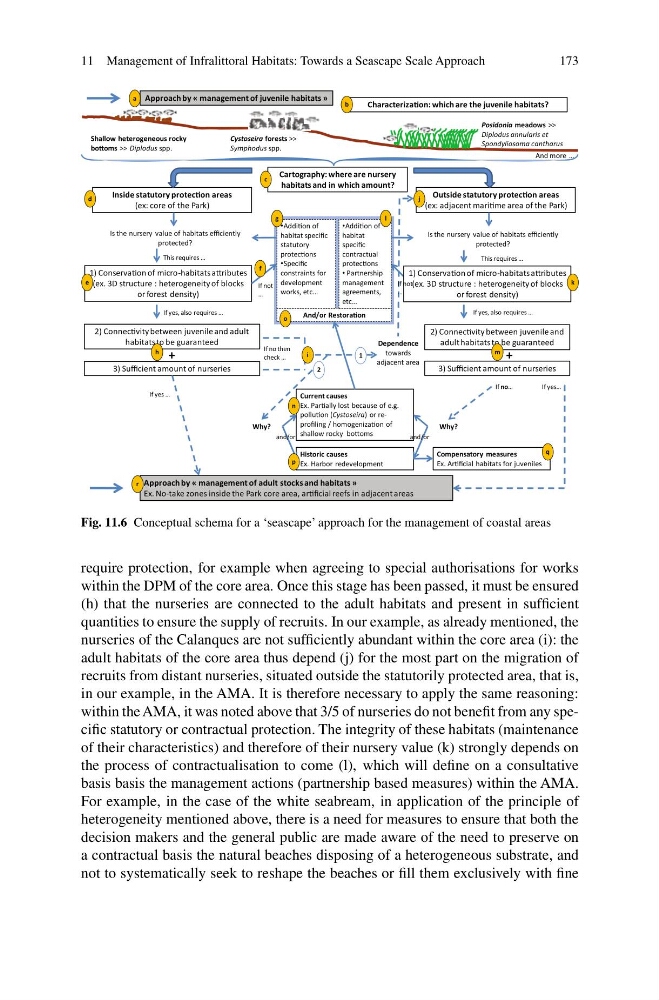
Fig. 11.6 Conceptual schema for a ‘seascape’ approach for the management of coastal areas
require protection, for example when agreeing to special authorisations for works
within the DPM of the core area. Once this stage has been passed, it must be ensured
(h) that the nurseries are connected to the adult habitats and present in sufficient
quantities to ensure the supply of recruits. In our example, as already mentioned, the
nurseries of the Calanques are not sufficiently abundant within the core area (i): the
adult habitats of the core area thus depend (j) for the most part on the migration of
recruits from distant nurseries, situated outside the statutorily protected area, that is,
in our example, in the AMA. It is therefore necessary to apply the same reasoning:
within the AMA, it was noted above that 3/5 of nurseries do not benefit from any specific statutory or contractual protection. The integrity of these habitats (maintenance
of their characteristics) and therefore of their nursery value (k) strongly depends on
the process of contractualisation to come (l), which will define on a consultative
basis basis the management actions (partnership based measures) within the AMA.
For example, in the case of the white seabream, in application of the principle of
heterogeneity mentioned above, there is a need for measures to ensure that both the
decision makers and the general public are made aware of the need to preserve on
a contractual basis the natural beaches disposing of a heterogeneous substrate, and
not to systematically seek to reshape the beaches or fill them exclusively with fine
173
Dependence
towards
adjacent area
Approach by « management of juvenile habitats »
Shallow heterogeneous rocky
boƩoms >> Diplodus spp.
Cystoseira forests >>
Symphodus spp.
Cartography: where are nursery
habitats and in which amount?
Inside statutory protecƟon areas
(ex: core of the Park)
Outside statutory protecƟon areas
(ex: adjacent marime area of the Park)
Is the nursery value of habitats efficiently
protected?
This requires …
1) Conservaon of micro-habitats aributes
(ex. 3D structure : heterogeneity of blocks
or forest density)
If yes, also requires …
2) Connecvity between juvenile and adult
habitats to be guaranteed
3) Sufficient amount of nurseries
+
If yes…
Approach by « management of adult stocks and habitats »
Ex. No-take zones inside the Park core area, arficial reefs in adjacent areas
If not
…
And/or RestoraƟon
If no then
check …
Si
non …
•Addion of
habitat specific
statutory
protecons
•Specific
constraints for
development
works, etc…
•Addion of
habitat
specific
contractual
protecons
• Partnership
management
agreements,
etc…
Why?
Historic causes
Ex. Harbor redevelopment
Compensatory measures
Ex. Arficial habitats for juveniles
Current causes
Ex. Parally lost because of e.g.
polluon (Cystoseira) or reprofiling / homogenizaon of
shallow rocky booms
+
If yes …
Why?
If no…
1
2
And more …
CharacterizaƟon: which are the juvenile habitats?
c
a
Posidonia meadows >>
Diplodus annularis et
Spondyliosoma cantharus
d
e
g
l
h
b
i
j
n
p
and/or
and/or
q
o
r
f
Is the nursery value of habitats efficiently
protected?
This requires …
1) Conservaon of micro-habitats aributes
(ex. 3D structure : heterogeneity of blocks
or forest density)
k
If not
…
If yes, also requires …
2) Connecvity between juvenile and
adult habitats to be guaranteed
m
3) Sufficient amount of nurseries
Fig. 11.6 Conceptual schema for a ‘seascape’ approach for the management of coastal areas
require protection, for example when agreeing to special authorisations for works
within the DPM of the core area. Once this stage has been passed, it must be ensured
(h) that the nurseries are connected to the adult habitats and present in sufficient
quantities to ensure the supply of recruits. In our example, as already mentioned, the
nurseries of the Calanques are not sufficiently abundant within the core area (i): the
adult habitats of the core area thus depend (j) for the most part on the migration of
recruits from distant nurseries, situated outside the statutorily protected area, that is,
in our example, in the AMA. It is therefore necessary to apply the same reasoning:
within the AMA, it was noted above that 3/5 of nurseries do not benefit from any specific statutory or contractual protection. The integrity of these habitats (maintenance
of their characteristics) and therefore of their nursery value (k) strongly depends on
the process of contractualisation to come (l), which will define on a consultative
basis basis the management actions (partnership based measures) within the AMA.
For example, in the case of the white seabream, in application of the principle of
heterogeneity mentioned above, there is a need for measures to ensure that both the
decision makers and the general public are made aware of the need to preserve on
a contractual basis the natural beaches disposing of a heterogeneous substrate, and
not to systematically seek to reshape the beaches or fill them exclusively with fine