

246
J. Romero, K.-S. Lee, M. P ´
erez, M. A. Mateo, and T. Alcoverro
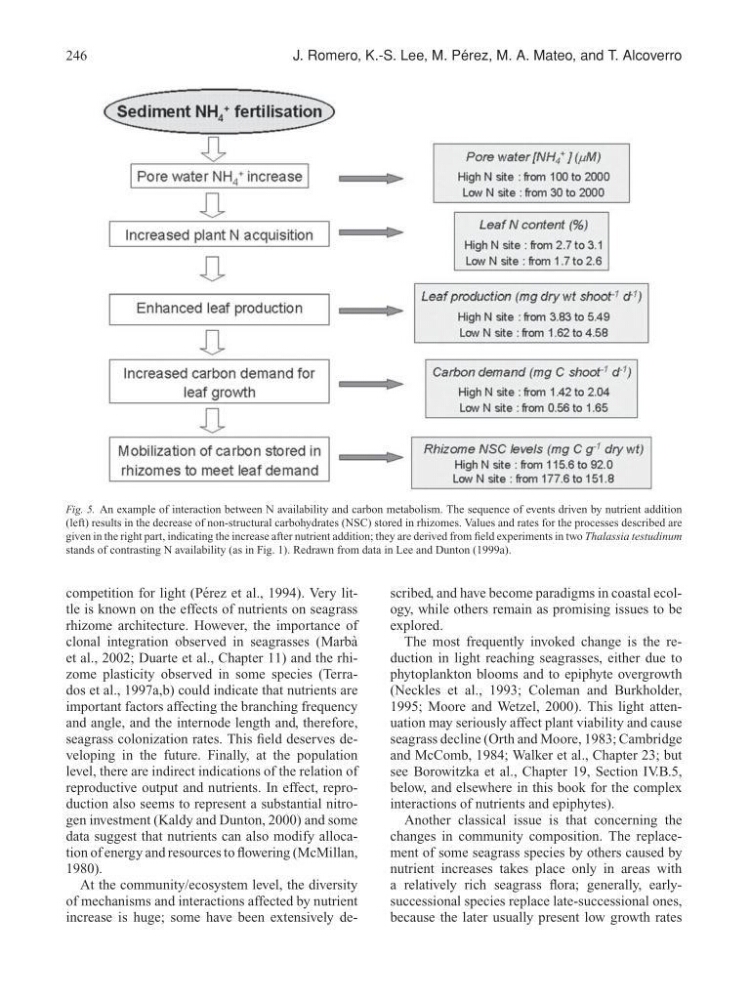
Fig. 5. An example of interaction between N availability and carbon metabolism. The sequence of events driven by nutrient addition
(left) results in the decrease of non-structural carbohydrates (NSC) stored in rhizomes. Values and rates for the processes described are
given in the right part, indicating the increase after nutrient addition; they are derived from field experiments in two Thalassia testudinum
stands of contrasting N availability (as in Fig. 1). Redrawn from data in Lee and Dunton (1999a).
competition for light (P´ erez et al., 1994). Very little is known on the effects of nutrients on seagrass
rhizome architecture. However, the importance of
clonal integration observed in seagrasses (Marb` a
et al., 2002; Duarte et al., Chapter 11) and the rhizome plasticity observed in some species (Terrados et al., 1997a,b) could indicate that nutrients are
important factors affecting the branching frequency
and angle, and the internode length and, therefore,
seagrass colonization rates. This field deserves developing in the future. Finally, at the population
level, there are indirect indications of the relation of
reproductive output and nutrients. In effect, reproduction also seems to represent a substantial nitrogen investment (Kaldy and Dunton, 2000) and some
data suggest that nutrients can also modify allocation of energy and resources to flowering (McMillan,
1980).
At the community/ecosystem level, the diversity
of mechanisms and interactions affected by nutrient
increase is huge; some have been extensively described, and have become paradigms in coastal ecology, while others remain as promising issues to be
explored.
The most frequently invoked change is the reduction in light reaching seagrasses, either due to
phytoplankton blooms and to epiphyte overgrowth
(Neckles et al., 1993; Coleman and Burkholder,
1995; Moore and Wetzel, 2000). This light attenuation may seriously affect plant viability and cause
seagrass decline (Orth and Moore, 1983; Cambridge
and McComb, 1984; Walker et al., Chapter 23; but
see Borowitzka et al., Chapter 19, Section IV.B.5,
below, and elsewhere in this book for the complex
interactions of nutrients and epiphytes).
Another classical issue is that concerning the
changes in community composition. The replacement of some seagrass species by others caused by
nutrient increases takes place only in areas with
a relatively rich seagrass flora; generally, earlysuccessional species replace late-successional ones,
because the later usually present low growth rates
J. Romero, K.-S. Lee, M. P ´
erez, M. A. Mateo, and T. Alcoverro
Fig. 5. An example of interaction between N availability and carbon metabolism. The sequence of events driven by nutrient addition
(left) results in the decrease of non-structural carbohydrates (NSC) stored in rhizomes. Values and rates for the processes described are
given in the right part, indicating the increase after nutrient addition; they are derived from field experiments in two Thalassia testudinum
stands of contrasting N availability (as in Fig. 1). Redrawn from data in Lee and Dunton (1999a).
competition for light (P´ erez et al., 1994). Very little is known on the effects of nutrients on seagrass
rhizome architecture. However, the importance of
clonal integration observed in seagrasses (Marb` a
et al., 2002; Duarte et al., Chapter 11) and the rhizome plasticity observed in some species (Terrados et al., 1997a,b) could indicate that nutrients are
important factors affecting the branching frequency
and angle, and the internode length and, therefore,
seagrass colonization rates. This field deserves developing in the future. Finally, at the population
level, there are indirect indications of the relation of
reproductive output and nutrients. In effect, reproduction also seems to represent a substantial nitrogen investment (Kaldy and Dunton, 2000) and some
data suggest that nutrients can also modify allocation of energy and resources to flowering (McMillan,
1980).
At the community/ecosystem level, the diversity
of mechanisms and interactions affected by nutrient
increase is huge; some have been extensively described, and have become paradigms in coastal ecology, while others remain as promising issues to be
explored.
The most frequently invoked change is the reduction in light reaching seagrasses, either due to
phytoplankton blooms and to epiphyte overgrowth
(Neckles et al., 1993; Coleman and Burkholder,
1995; Moore and Wetzel, 2000). This light attenuation may seriously affect plant viability and cause
seagrass decline (Orth and Moore, 1983; Cambridge
and McComb, 1984; Walker et al., Chapter 23; but
see Borowitzka et al., Chapter 19, Section IV.B.5,
below, and elsewhere in this book for the complex
interactions of nutrients and epiphytes).
Another classical issue is that concerning the
changes in community composition. The replacement of some seagrass species by others caused by
nutrient increases takes place only in areas with
a relatively rich seagrass flora; generally, earlysuccessional species replace late-successional ones,
because the later usually present low growth rates