

152
N. Marb `
a, M. Holmer, and E. Gacia
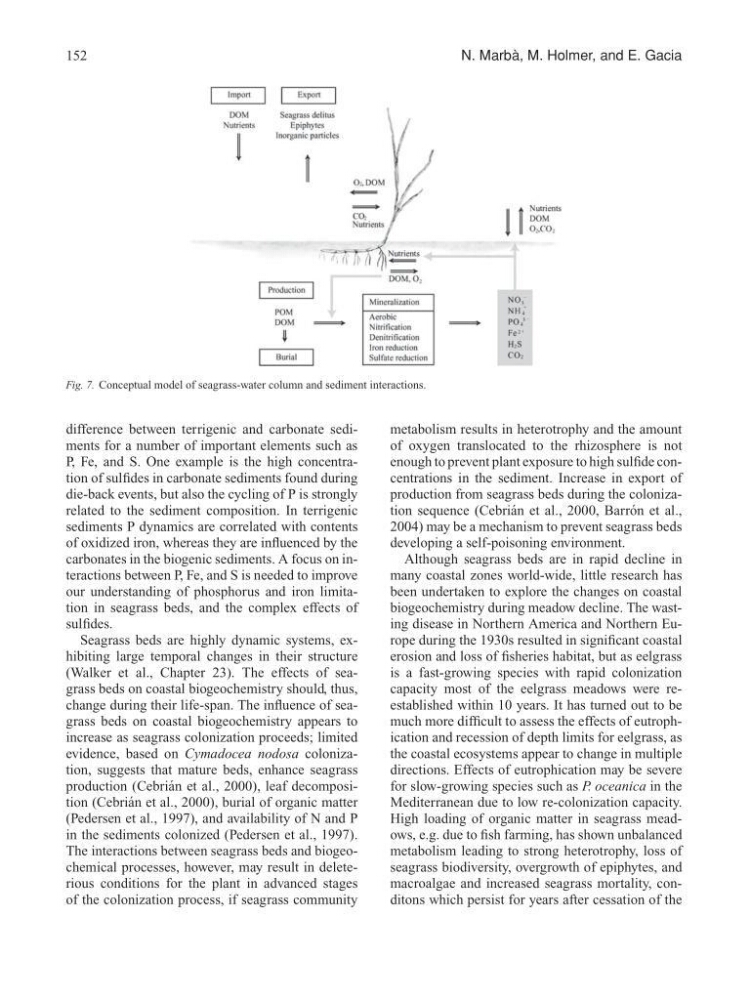
Fig. 7. Conceptual model of seagrass-water column and sediment interactions.
difference between terrigenic and carbonate sediments for a number of important elements such as
P, Fe, and S. One example is the high concentration of sulfides in carbonate sediments found during
die-back events, but also the cycling of P is strongly
related to the sediment composition. In terrigenic
sediments P dynamics are correlated with contents
of oxidized iron, whereas they are influenced by the
carbonates in the biogenic sediments. A focus on interactions between P, Fe, and S is needed to improve
our understanding of phosphorus and iron limitation in seagrass beds, and the complex effects of
sulfides.
Seagrass beds are highly dynamic systems, exhibiting large temporal changes in their structure
(Walker et al., Chapter 23). The effects of seagrass beds on coastal biogeochemistry should, thus,
change during their life-span. The influence of seagrass beds on coastal biogeochemistry appears to
increase as seagrass colonization proceeds; limited
evidence, based on Cymadocea nodosa colonization, suggests that mature beds, enhance seagrass
production (Cebri´ an et al., 2000), leaf decomposition (Cebri´ an et al., 2000), burial of organic matter
(Pedersen et al., 1997), and availability of N and P
in the sediments colonized (Pedersen et al., 1997).
The interactions between seagrass beds and biogeochemical processes, however, may result in deleterious conditions for the plant in advanced stages
of the colonization process, if seagrass community
metabolism results in heterotrophy and the amount
of oxygen translocated to the rhizosphere is not
enough to prevent plant exposure to high sulfide concentrations in the sediment. Increase in export of
production from seagrass beds during the colonization sequence (Cebri´ an et al., 2000, Barr´ on et al.,
2004) may be a mechanism to prevent seagrass beds
developing a self-poisoning environment.
Although seagrass beds are in rapid decline in
many coastal zones world-wide, little research has
been undertaken to explore the changes on coastal
biogeochemistry during meadow decline. The wasting disease in Northern America and Northern Europe during the 1930s resulted in significant coastal
erosion and loss of fisheries habitat, but as eelgrass
is a fast-growing species with rapid colonization
capacity most of the eelgrass meadows were reestablished within 10 years. It has turned out to be
much more difficult to assess the effects of eutrophication and recession of depth limits for eelgrass, as
the coastal ecosystems appear to change in multiple
directions. Effects of eutrophication may be severe
for slow-growing species such as P. oceanica in the
Mediterranean due to low re-colonization capacity.
High loading of organic matter in seagrass meadows, e.g. due to fish farming, has shown unbalanced
metabolism leading to strong heterotrophy, loss of
seagrass biodiversity, overgrowth of epiphytes, and
macroalgae and increased seagrass mortality, conditons which persist for years after cessation of the
N. Marb `
a, M. Holmer, and E. Gacia
Fig. 7. Conceptual model of seagrass-water column and sediment interactions.
difference between terrigenic and carbonate sediments for a number of important elements such as
P, Fe, and S. One example is the high concentration of sulfides in carbonate sediments found during
die-back events, but also the cycling of P is strongly
related to the sediment composition. In terrigenic
sediments P dynamics are correlated with contents
of oxidized iron, whereas they are influenced by the
carbonates in the biogenic sediments. A focus on interactions between P, Fe, and S is needed to improve
our understanding of phosphorus and iron limitation in seagrass beds, and the complex effects of
sulfides.
Seagrass beds are highly dynamic systems, exhibiting large temporal changes in their structure
(Walker et al., Chapter 23). The effects of seagrass beds on coastal biogeochemistry should, thus,
change during their life-span. The influence of seagrass beds on coastal biogeochemistry appears to
increase as seagrass colonization proceeds; limited
evidence, based on Cymadocea nodosa colonization, suggests that mature beds, enhance seagrass
production (Cebri´ an et al., 2000), leaf decomposition (Cebri´ an et al., 2000), burial of organic matter
(Pedersen et al., 1997), and availability of N and P
in the sediments colonized (Pedersen et al., 1997).
The interactions between seagrass beds and biogeochemical processes, however, may result in deleterious conditions for the plant in advanced stages
of the colonization process, if seagrass community
metabolism results in heterotrophy and the amount
of oxygen translocated to the rhizosphere is not
enough to prevent plant exposure to high sulfide concentrations in the sediment. Increase in export of
production from seagrass beds during the colonization sequence (Cebri´ an et al., 2000, Barr´ on et al.,
2004) may be a mechanism to prevent seagrass beds
developing a self-poisoning environment.
Although seagrass beds are in rapid decline in
many coastal zones world-wide, little research has
been undertaken to explore the changes on coastal
biogeochemistry during meadow decline. The wasting disease in Northern America and Northern Europe during the 1930s resulted in significant coastal
erosion and loss of fisheries habitat, but as eelgrass
is a fast-growing species with rapid colonization
capacity most of the eelgrass meadows were reestablished within 10 years. It has turned out to be
much more difficult to assess the effects of eutrophication and recession of depth limits for eelgrass, as
the coastal ecosystems appear to change in multiple
directions. Effects of eutrophication may be severe
for slow-growing species such as P. oceanica in the
Mediterranean due to low re-colonization capacity.
High loading of organic matter in seagrass meadows, e.g. due to fish farming, has shown unbalanced
metabolism leading to strong heterotrophy, loss of
seagrass biodiversity, overgrowth of epiphytes, and
macroalgae and increased seagrass mortality, conditons which persist for years after cessation of the