

environments will be mainly discussed in this chapter. Regarding salt lakes, their ionic composition may significantly vary
depending on (1) the surrounding topography, (2) geology (soil
leaching), and even (3) the weather. The hypersaline
environments are defined as environments that have
concentrations of salts greater than that of seawater. This
definition is not specific and does consider neither the salt
types nor their proportions. They are found in hypersaline
seas, salt evaporation pools, salt marshes, but also in subterranean salt deposits, dry soils, or salted meats (Oren 2011).
10.4.2.1 Ecosystems
Seawater, which represents the greater part of the water
on Earth, contains minerals in remarkably constant
concentration. The main ones are chloride (18.98 %), sodium
(10.56 %), sulfate (2.65 %), magnesium (1.27 %), calcium
(0.4 %), potassium (0.38 %), and carbonate (0.14 %).
The majority of hypersaline environments originate from
salts seawater, either directly by evaporation and concentration or indirectly by the dissolution of evaporitic deposits
found in the form of fossil deposits. The minerals are in
similar proportions to those contained in seawater, at least
until the precipitation thresholds are not reached.
Hypersaline waters formed by partial evaporation of seawater are called “thalassohalines” while those obtained by the
dissolution of fossil salt deposits are called
“athalassohalines.” These can have proportions in salts quite
different from those of seawater depending on the nature of
the deposits. Some contain a high percentage of sodium
carbonate and are very alkaline. These hypersaline systems
are of continental origin, since they are generated by dissolution of salts contained in rocks or crossed geological layers
after the action of rain or runoff waters. Then, these salts are
concentrated when waters accumulate in impermeable basins.
In this case, each salt lake is unique due to its peculiar
chemical composition. These lakes are classified into two
categories according to the predominant anion present. They
include lakes containing sulfate and those containing carbonate like the alkaline lakes in East Africa. (Oren 2011).
While in sulfate-rich environments, ubiquitous
microorganisms can be found. There is often a restricted
and specific biodiversity in the carbonate-rich ones.
Salt marshes may also contain extreme halophilic
prokaryotes. They are small and closed seawater pools,
which concentrate salts after evaporation.
Since the 1980s, hypersaline and anaerobic deep-sea trenches
were discovered in the Eastern Mediterranean Sea (Box 10.1).
Some soils containing high salt concentrations are also
considered as hypersaline.
10
20
30
10
20
30
Salt tolerant microorganisms
Halophilic microorganisms
no
low
moderate
extreme
no
low
moderate
extreme
% NaCl
% NaCl
a
b
Growth rate
Growth rate
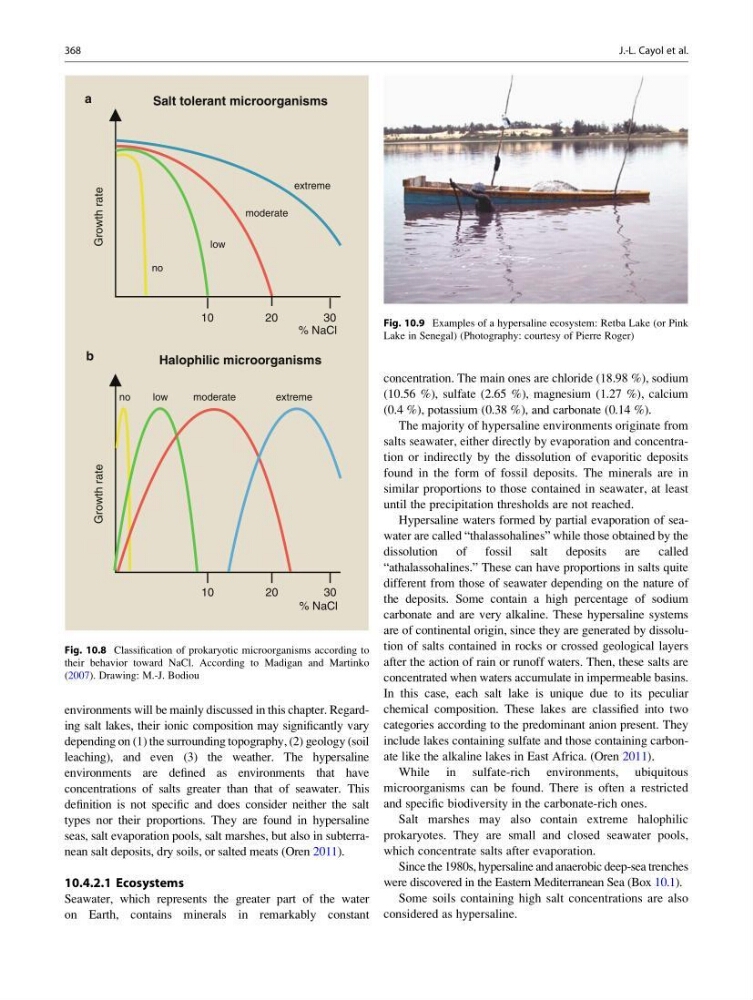
Fig. 10.8 Classification of prokaryotic microorganisms according to
their behavior toward NaCl. According to Madigan and Martinko
(2007). Drawing: M.-J. Bodiou
Fig. 10.9 Examples of a hypersaline ecosystem: Retba Lake (or Pink
Lake in Senegal) (Photography: courtesy of Pierre Roger)
368
J.-L. Cayol et al.
depending on (1) the surrounding topography, (2) geology (soil
leaching), and even (3) the weather. The hypersaline
environments are defined as environments that have
concentrations of salts greater than that of seawater. This
definition is not specific and does consider neither the salt
types nor their proportions. They are found in hypersaline
seas, salt evaporation pools, salt marshes, but also in subterranean salt deposits, dry soils, or salted meats (Oren 2011).
10.4.2.1 Ecosystems
Seawater, which represents the greater part of the water
on Earth, contains minerals in remarkably constant
concentration. The main ones are chloride (18.98 %), sodium
(10.56 %), sulfate (2.65 %), magnesium (1.27 %), calcium
(0.4 %), potassium (0.38 %), and carbonate (0.14 %).
The majority of hypersaline environments originate from
salts seawater, either directly by evaporation and concentration or indirectly by the dissolution of evaporitic deposits
found in the form of fossil deposits. The minerals are in
similar proportions to those contained in seawater, at least
until the precipitation thresholds are not reached.
Hypersaline waters formed by partial evaporation of seawater are called “thalassohalines” while those obtained by the
dissolution of fossil salt deposits are called
“athalassohalines.” These can have proportions in salts quite
different from those of seawater depending on the nature of
the deposits. Some contain a high percentage of sodium
carbonate and are very alkaline. These hypersaline systems
are of continental origin, since they are generated by dissolution of salts contained in rocks or crossed geological layers
after the action of rain or runoff waters. Then, these salts are
concentrated when waters accumulate in impermeable basins.
In this case, each salt lake is unique due to its peculiar
chemical composition. These lakes are classified into two
categories according to the predominant anion present. They
include lakes containing sulfate and those containing carbonate like the alkaline lakes in East Africa. (Oren 2011).
While in sulfate-rich environments, ubiquitous
microorganisms can be found. There is often a restricted
and specific biodiversity in the carbonate-rich ones.
Salt marshes may also contain extreme halophilic
prokaryotes. They are small and closed seawater pools,
which concentrate salts after evaporation.
Since the 1980s, hypersaline and anaerobic deep-sea trenches
were discovered in the Eastern Mediterranean Sea (Box 10.1).
Some soils containing high salt concentrations are also
considered as hypersaline.
10
20
30
10
20
30
Salt tolerant microorganisms
Halophilic microorganisms
no
low
moderate
extreme
no
low
moderate
extreme
% NaCl
% NaCl
a
b
Growth rate
Growth rate
Fig. 10.8 Classification of prokaryotic microorganisms according to
their behavior toward NaCl. According to Madigan and Martinko
(2007). Drawing: M.-J. Bodiou
Fig. 10.9 Examples of a hypersaline ecosystem: Retba Lake (or Pink
Lake in Senegal) (Photography: courtesy of Pierre Roger)
368
J.-L. Cayol et al.