

anaerobic, aerobic, microaerophilic, and photosynthetic bacteria along gradients of oxygen, sulfide, and light.
Then he went to Zurich in 1889 to work in a university
laboratory on the problem of nitrification and proved that
this process occurs in two steps, involving two groups of
microorganisms. The first group performs the formation of
nitrite (from the oxidation of ammonium) and the latter
group the formation of nitrate (from the oxidation of nitrite
to nitrate) (Winogradsky 1890).
Following these discoveries, in 1890, he was invited by
Pasteur to settle in Paris but had to return to Russia where he
was appointed in 1891 Head of the Department of General
Microbiology at the Imperial Institute of Experimental Medicine in St. Petersburg. He remained there for 15 years, and
he continued his research on nitrification, focusing on the
study of the anaerobic decomposition of cellulose, used in
the retting of flax. There was an especially important finding
highlighting atmospheric nitrogen fixation by fermentative
bacteria: he isolated an anaerobic bacillus, Clostridium
pasteurianum, able to perform this function.
In 1906, he had to interrupt his scientific work and was
appointed university professor in Belgrade in a laboratory
with little means (1921).
Then he accepted the invitation of the student of Pasteur,
Dr. Roux, who asked him to move to Paris to continue
his research (1922). He settled in 1925 and created in
Brie-Comte-Robert, close to Paris, a laboratory for the
study of the natural environment, specifically soil, where
he remained until 1950. He was interested especially in
bacteria metabolizing nitrogen, iron, and manganese. He
developed his early concepts of “ecological microbiology”
and presented the summary of his work on the microbiology
of natural environments, soil and water, in a book published
in 1949, entitled Soil Microbiology: Problems and Methods
which to this day is considered a classic in microbial ecology
(Winogradsky 1949). Given the means of observation and
analysis available to him – archaic compared to those currently available in laboratories – one can only admire the
width and modernity of the microbial ecology concepts he
developed. His extensive work is very difficult to summarize, but from all the results obtained from the isolation (by
enrichment culture; see below Martinus Beijerinck) and the
study of bacteria involved in the cycles of sulfur, nitrogen,
and iron, three major concepts have emerged:
1. Chemolithotrophic prokaryotes base their metabolism on
the oxidation of inorganic compounds such as ammonia
Fig. 2.5 Hand drawings by Sergei Winogradsky describing forms of
phototrophic purple bacteria that appeared in his major book
Microbiologie du Sol or (Soil Microbiology) published in 1949
(Winogradsky 1949, “planche IV”) (Courtesy of Editions Elsevier
Masson)
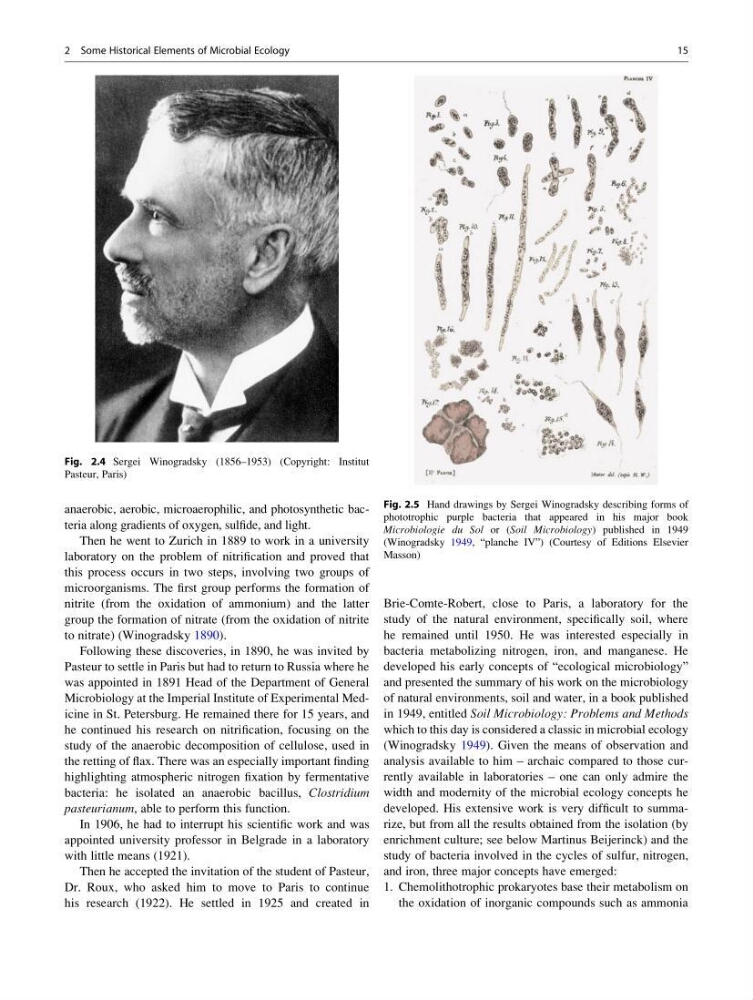
Fig. 2.4 Sergei Winogradsky (1856–1953) (Copyright: Institut
Pasteur, Paris)
2 Some Historical Elements of Microbial Ecology
15
Then he went to Zurich in 1889 to work in a university
laboratory on the problem of nitrification and proved that
this process occurs in two steps, involving two groups of
microorganisms. The first group performs the formation of
nitrite (from the oxidation of ammonium) and the latter
group the formation of nitrate (from the oxidation of nitrite
to nitrate) (Winogradsky 1890).
Following these discoveries, in 1890, he was invited by
Pasteur to settle in Paris but had to return to Russia where he
was appointed in 1891 Head of the Department of General
Microbiology at the Imperial Institute of Experimental Medicine in St. Petersburg. He remained there for 15 years, and
he continued his research on nitrification, focusing on the
study of the anaerobic decomposition of cellulose, used in
the retting of flax. There was an especially important finding
highlighting atmospheric nitrogen fixation by fermentative
bacteria: he isolated an anaerobic bacillus, Clostridium
pasteurianum, able to perform this function.
In 1906, he had to interrupt his scientific work and was
appointed university professor in Belgrade in a laboratory
with little means (1921).
Then he accepted the invitation of the student of Pasteur,
Dr. Roux, who asked him to move to Paris to continue
his research (1922). He settled in 1925 and created in
Brie-Comte-Robert, close to Paris, a laboratory for the
study of the natural environment, specifically soil, where
he remained until 1950. He was interested especially in
bacteria metabolizing nitrogen, iron, and manganese. He
developed his early concepts of “ecological microbiology”
and presented the summary of his work on the microbiology
of natural environments, soil and water, in a book published
in 1949, entitled Soil Microbiology: Problems and Methods
which to this day is considered a classic in microbial ecology
(Winogradsky 1949). Given the means of observation and
analysis available to him – archaic compared to those currently available in laboratories – one can only admire the
width and modernity of the microbial ecology concepts he
developed. His extensive work is very difficult to summarize, but from all the results obtained from the isolation (by
enrichment culture; see below Martinus Beijerinck) and the
study of bacteria involved in the cycles of sulfur, nitrogen,
and iron, three major concepts have emerged:
1. Chemolithotrophic prokaryotes base their metabolism on
the oxidation of inorganic compounds such as ammonia
Fig. 2.5 Hand drawings by Sergei Winogradsky describing forms of
phototrophic purple bacteria that appeared in his major book
Microbiologie du Sol or (Soil Microbiology) published in 1949
(Winogradsky 1949, “planche IV”) (Courtesy of Editions Elsevier
Masson)
Fig. 2.4 Sergei Winogradsky (1856–1953) (Copyright: Institut
Pasteur, Paris)
2 Some Historical Elements of Microbial Ecology
15