

the discipline of microbiology. He did set up a makeshift
laboratory, which allowed him to study infectious germs.
Due to his discoveries, he was recruited by the Institute of
Hygiene in Berlin. Koch has mainly developed general bacteriological techniques (isolation of pure strains, cultures,
etc.) and has actively pursued the identification of
pathogens. He isolated and identified a number of pathogens
including the killer of the time that came to bear his name,
Koch’s bacillus (Mycobacterium tuberculosis), the agent of
tuberculosis, and the “Komma-Bacillus” or Vibrio cholerae,
the cholera agent. The announcement of pure culture of the
slow-growing (15 days) tubercle bacillus was hailed at the
time as a major achievement heralding the possibility of a
cure. His procedure to identify the causative agent of a given
infectious disease, called Koch’s postulates, has four stages:
1. The suspected agent is present in sick hosts.
2. The agent must be cultivated in pure culture.
3. A pure culture can infect a healthy host, and the
inoculated microorganism produces the classic symptoms
of the disease.
4. The “same” microorganism can be isolated from the new
hosts.
In 1887, Julius Richard Petri (1852–1921), a German bacteriologist assistant to R. Koch, invented a box that became
well known in all microbiological laboratories. Robert Koch,
with his assistant and his colleagues (Koch 1882, 1883), thus
developed methods for the isolation and maintenance of pure
cultures of many bacteria on solid media. The first tests on
boiled potatoes were not very conclusive. Subsequently, Koch
used gelatin in the Petri dish, and then agar, a seaweed extract,
which allowed him to solidify any liquid medium regardless of
its composition. This method is still used today and allows
microbiologists to isolate microorganisms in pure cultures and
to study them in detail. This discovery was very important
because it helped to understand bacterial cells, their metabolism, behavioral changes following modifications in growth
conditions, and so on. It was initially implemented mainly for
the study of pathogenic bacteria but also contributed to the
isolation of many environmental bacteria. However, this great
discovery, which has permitted to obtain detailed knowledge
of bacterial life at the cellular level through the study of pure
strains, has contributed to isolate the bacteria from their environment and to study them in synthetic media that do not
necessarily reflect the reality of their ecosystem. In addition,
it does not permit to observe and evaluate the processes of
interaction between microorganisms and their biotic or abiotic
environment. Despite these remarks that highlight the
limitations of this cultivation method in particular in microbial
ecology, the technique proposed by Koch has deeply
influenced the approaches used by most microbiologists. Actually, since the early days of microbiology and for most the
twentieth century, most microbiologists influenced by Pasteur,
Koch, and their students have mainly studied isolated
microorganisms at the cellular or subcellular level, in order
to understand their metabolic and physiological capabilities
and their genetic potential. This enables today to reconstitute,
at the molecular level, the metabolic and adaptive processes
that govern the operation of these unicellular organisms. This
knowledge is essential to understand how they function in their
environment. However, it considers only microorganisms
isolated and adapted to growing conditions imposed on
them. Despites these limitations, his work has strongly
influenced the history of microbiology, and Robert Koch was
awarded the Nobel Prize for medicine and physiology in 1905.
He died in 1910 in the German spa town of Baden-Baden.
The first to observe interactions between microorganisms
was Sir Alexander Fleming who, in 1929, observed the
inhibition of a culture of staphylococci by a contaminating
mold, the fungus Penicillium notatum (Fleming 1929). He
observed that an inhibition of the culture of staphylococci
occurred, yielding a clear halo around the colony of Penicillium, which he hypothesized was due to diffusion of a
substance secreted by the fungus. This substance, penicillin,
was responsible for the great discovery of antibiotics and of
the phenomenon of antibiosis in many soil bacteria that
produce these molecules, giving them a competitive advantage in the fight between bacterial communities to occupy
ecological niches. The field of antibiotics research has
consistently expanded from thereon, for example,
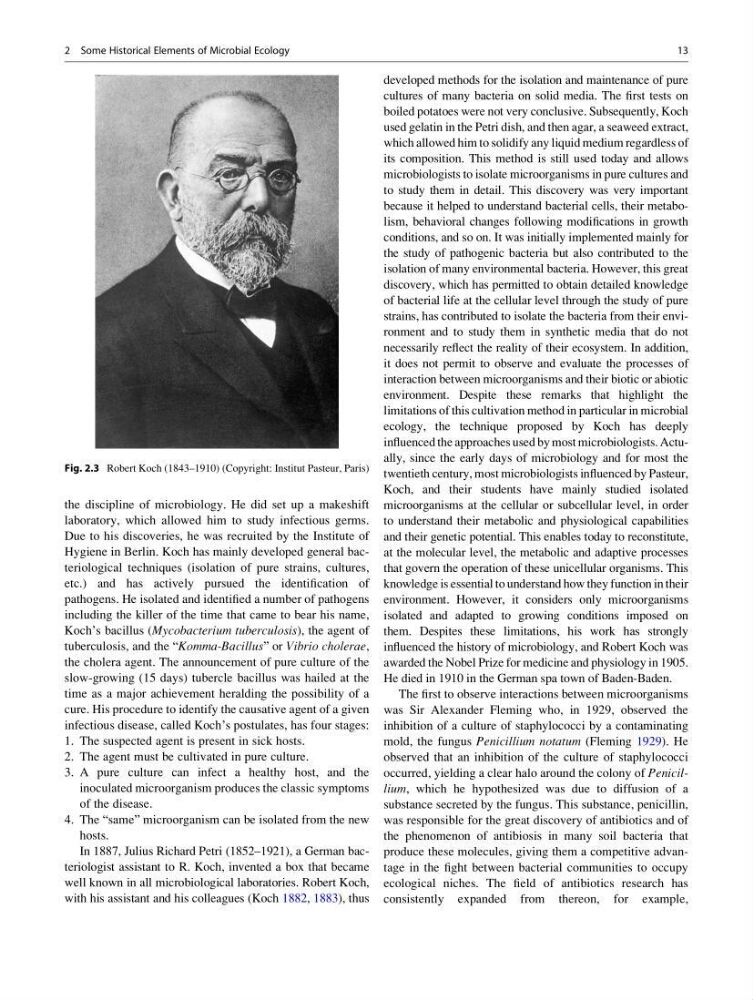
Fig. 2.3 Robert Koch (1843–1910) (Copyright: Institut Pasteur, Paris)
2 Some Historical Elements of Microbial Ecology
13
laboratory, which allowed him to study infectious germs.
Due to his discoveries, he was recruited by the Institute of
Hygiene in Berlin. Koch has mainly developed general bacteriological techniques (isolation of pure strains, cultures,
etc.) and has actively pursued the identification of
pathogens. He isolated and identified a number of pathogens
including the killer of the time that came to bear his name,
Koch’s bacillus (Mycobacterium tuberculosis), the agent of
tuberculosis, and the “Komma-Bacillus” or Vibrio cholerae,
the cholera agent. The announcement of pure culture of the
slow-growing (15 days) tubercle bacillus was hailed at the
time as a major achievement heralding the possibility of a
cure. His procedure to identify the causative agent of a given
infectious disease, called Koch’s postulates, has four stages:
1. The suspected agent is present in sick hosts.
2. The agent must be cultivated in pure culture.
3. A pure culture can infect a healthy host, and the
inoculated microorganism produces the classic symptoms
of the disease.
4. The “same” microorganism can be isolated from the new
hosts.
In 1887, Julius Richard Petri (1852–1921), a German bacteriologist assistant to R. Koch, invented a box that became
well known in all microbiological laboratories. Robert Koch,
with his assistant and his colleagues (Koch 1882, 1883), thus
developed methods for the isolation and maintenance of pure
cultures of many bacteria on solid media. The first tests on
boiled potatoes were not very conclusive. Subsequently, Koch
used gelatin in the Petri dish, and then agar, a seaweed extract,
which allowed him to solidify any liquid medium regardless of
its composition. This method is still used today and allows
microbiologists to isolate microorganisms in pure cultures and
to study them in detail. This discovery was very important
because it helped to understand bacterial cells, their metabolism, behavioral changes following modifications in growth
conditions, and so on. It was initially implemented mainly for
the study of pathogenic bacteria but also contributed to the
isolation of many environmental bacteria. However, this great
discovery, which has permitted to obtain detailed knowledge
of bacterial life at the cellular level through the study of pure
strains, has contributed to isolate the bacteria from their environment and to study them in synthetic media that do not
necessarily reflect the reality of their ecosystem. In addition,
it does not permit to observe and evaluate the processes of
interaction between microorganisms and their biotic or abiotic
environment. Despite these remarks that highlight the
limitations of this cultivation method in particular in microbial
ecology, the technique proposed by Koch has deeply
influenced the approaches used by most microbiologists. Actually, since the early days of microbiology and for most the
twentieth century, most microbiologists influenced by Pasteur,
Koch, and their students have mainly studied isolated
microorganisms at the cellular or subcellular level, in order
to understand their metabolic and physiological capabilities
and their genetic potential. This enables today to reconstitute,
at the molecular level, the metabolic and adaptive processes
that govern the operation of these unicellular organisms. This
knowledge is essential to understand how they function in their
environment. However, it considers only microorganisms
isolated and adapted to growing conditions imposed on
them. Despites these limitations, his work has strongly
influenced the history of microbiology, and Robert Koch was
awarded the Nobel Prize for medicine and physiology in 1905.
He died in 1910 in the German spa town of Baden-Baden.
The first to observe interactions between microorganisms
was Sir Alexander Fleming who, in 1929, observed the
inhibition of a culture of staphylococci by a contaminating
mold, the fungus Penicillium notatum (Fleming 1929). He
observed that an inhibition of the culture of staphylococci
occurred, yielding a clear halo around the colony of Penicillium, which he hypothesized was due to diffusion of a
substance secreted by the fungus. This substance, penicillin,
was responsible for the great discovery of antibiotics and of
the phenomenon of antibiosis in many soil bacteria that
produce these molecules, giving them a competitive advantage in the fight between bacterial communities to occupy
ecological niches. The field of antibiotics research has
consistently expanded from thereon, for example,
Fig. 2.3 Robert Koch (1843–1910) (Copyright: Institut Pasteur, Paris)
2 Some Historical Elements of Microbial Ecology
13