

in Ulvophyceae (Chlorobionta); they have not been observed
in unicellular Chlorobionta. Sterols are extremely varied; the
β-sitosterol is considered a marker of higher embryophytes
(Puglisi et al. 2003); other sterols are not really specific to
Viridiplantae.
Mitochondria have plate-like flat cristae, a shared character in Archaeplastida. The kinetic apparatus is present in
Viridiplantae, except in Magnoliophytina (¼angiosmerms;
embryophytes) (Bornens and Azimzadeh 2007) and some
unicellular Chlorobionta lacking of undulipodium stages,
such as Ostreococcus (Prasinophyceae). As in other
eukaryotes, where present, the fully developed kinetic apparatus comprises five parts: undulipodiums, kinetosomes,
undulipodial roots, centrosome and, in photosynthetic cells,
the stigma (Fig. 5.11). Motile cells of multicellular
Viridiplantae, together with motile unicellular Viridiplantae,
have 2–30 undulipodiums similar in form and length (they
are said to be “isokont”). Undulipodiums are usually naked,
i.e. do not bear mastigonemes (undulipodial hairs). However, in some species, unipartite (e.g., Chlamydomonas) or
tripartite mastigonemes are present (cf. Sect. 7.9.3 for a
typology of the mastigonemes). Undulipodial scales can
cover the axis of the undulipodium (axoneme) (Inouye
1993). The axoneme is composed of 20 microtubules aligned
in parallel; more specifically, on a cross section, the
microtubules are arranged in a characteristic pattern known
as the “9 + 2 pattern,” nine sets of “doublet microtubules” (a
specialized structure consisting of two linked microtubules)
forming a ring around two central microtubules. Dynein
arms are anchored to each doublet microtubule. This structure is a general feature in eukaryotes. However, in
Viridiplantae, one of the two dynein arms (the outer one)
of one of the doublet microtubules is lacking (Fig. 7.19); this
feature is unique in eukaryotes and therefore constitutes a
cytological marker of the Viridiplantae (Inouye 1993).
Sexual reproduction is known in all the taxa of
Streptobionta, except Chlorokybophyceae and Mesostigmatophyceae. In Chlorobionta, sexual reproduction is probably
present in all taxonomic classes, although it is poorly known
in some unicellular taxa. Fertilization is usually a planogamy
in Chlorobionta, while it is an oogamy in Streptobionta
(Table 7.4). (i) In taxa of Chlorobionta and Streptobionta
Cell wall: cellulose,
hemicellulose, mannane
and/or lignin, etc.
Plasmalemma
Cytoplasm
Nucleus
Eukaryotic
DNA
Mitochondrion
Stacked thylakoids: long
(photosystem I) and short
( grana or pseudograna;
photosystems I and II)
Chloroplast
Thylakoid containing
chlorophylls a, b (and c)
Intraplastidial polysaccharide: true
starch (amylose and amylopectin)
Prokaryotic DNA
Prokaryotic
ribosome 70S
Amyloplast: plastid specialized
in the storage of starch
Eukaryotic
ribosome
80S
Stigma
Centrosome
Kinetosomes (and
undulipodiums): up to 30
Undulipodiums: usually
naked (i.e. without
mastigonemes) and identical
Stroma of the
chloroplast
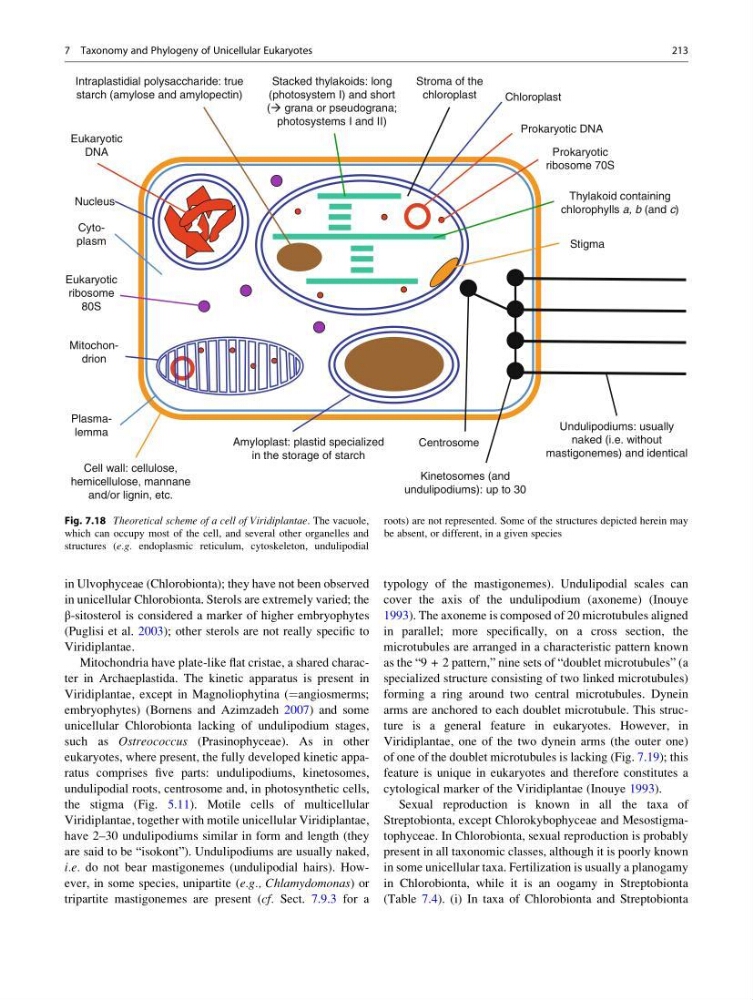
Fig. 7.18 Theoretical scheme of a cell of Viridiplantae. The vacuole,
which can occupy most of the cell, and several other organelles and
structures (e.g. endoplasmic reticulum, cytoskeleton, undulipodial
roots) are not represented. Some of the structures depicted herein may
be absent, or different, in a given species
7 Taxonomy and Phylogeny of Unicellular Eukaryotes
213
in unicellular Chlorobionta. Sterols are extremely varied; the
β-sitosterol is considered a marker of higher embryophytes
(Puglisi et al. 2003); other sterols are not really specific to
Viridiplantae.
Mitochondria have plate-like flat cristae, a shared character in Archaeplastida. The kinetic apparatus is present in
Viridiplantae, except in Magnoliophytina (¼angiosmerms;
embryophytes) (Bornens and Azimzadeh 2007) and some
unicellular Chlorobionta lacking of undulipodium stages,
such as Ostreococcus (Prasinophyceae). As in other
eukaryotes, where present, the fully developed kinetic apparatus comprises five parts: undulipodiums, kinetosomes,
undulipodial roots, centrosome and, in photosynthetic cells,
the stigma (Fig. 5.11). Motile cells of multicellular
Viridiplantae, together with motile unicellular Viridiplantae,
have 2–30 undulipodiums similar in form and length (they
are said to be “isokont”). Undulipodiums are usually naked,
i.e. do not bear mastigonemes (undulipodial hairs). However, in some species, unipartite (e.g., Chlamydomonas) or
tripartite mastigonemes are present (cf. Sect. 7.9.3 for a
typology of the mastigonemes). Undulipodial scales can
cover the axis of the undulipodium (axoneme) (Inouye
1993). The axoneme is composed of 20 microtubules aligned
in parallel; more specifically, on a cross section, the
microtubules are arranged in a characteristic pattern known
as the “9 + 2 pattern,” nine sets of “doublet microtubules” (a
specialized structure consisting of two linked microtubules)
forming a ring around two central microtubules. Dynein
arms are anchored to each doublet microtubule. This structure is a general feature in eukaryotes. However, in
Viridiplantae, one of the two dynein arms (the outer one)
of one of the doublet microtubules is lacking (Fig. 7.19); this
feature is unique in eukaryotes and therefore constitutes a
cytological marker of the Viridiplantae (Inouye 1993).
Sexual reproduction is known in all the taxa of
Streptobionta, except Chlorokybophyceae and Mesostigmatophyceae. In Chlorobionta, sexual reproduction is probably
present in all taxonomic classes, although it is poorly known
in some unicellular taxa. Fertilization is usually a planogamy
in Chlorobionta, while it is an oogamy in Streptobionta
(Table 7.4). (i) In taxa of Chlorobionta and Streptobionta
Cell wall: cellulose,
hemicellulose, mannane
and/or lignin, etc.
Plasmalemma
Cytoplasm
Nucleus
Eukaryotic
DNA
Mitochondrion
Stacked thylakoids: long
(photosystem I) and short
( grana or pseudograna;
photosystems I and II)
Chloroplast
Thylakoid containing
chlorophylls a, b (and c)
Intraplastidial polysaccharide: true
starch (amylose and amylopectin)
Prokaryotic DNA
Prokaryotic
ribosome 70S
Amyloplast: plastid specialized
in the storage of starch
Eukaryotic
ribosome
80S
Stigma
Centrosome
Kinetosomes (and
undulipodiums): up to 30
Undulipodiums: usually
naked (i.e. without
mastigonemes) and identical
Stroma of the
chloroplast
Fig. 7.18 Theoretical scheme of a cell of Viridiplantae. The vacuole,
which can occupy most of the cell, and several other organelles and
structures (e.g. endoplasmic reticulum, cytoskeleton, undulipodial
roots) are not represented. Some of the structures depicted herein may
be absent, or different, in a given species
7 Taxonomy and Phylogeny of Unicellular Eukaryotes
213