

be descendants of mesophilic microorganisms which are secondarily adapted to life at high temperature (cf. Sect. 4.1.6).
The Phylum Thermotogae (Fig. 6.10e)
Represented by a single class and a single order,
Thermotogales includes hyperthermophilic bacteria, Gramnegative, anaerobic, and that has an outer membrane larger
than the bacterial body and wrapping it as a “toga.” One
family (Thermotogaceae) includes several genera including
types Thermotoga, Geotoga, Petrotoga, Marinitoga, and
Kosmotoga, isolated for most of them from deep
environments (aquifers, oil reservoirs) or volcanic sources
in land or underwater. These bacteria are fermentative; some
may use thiosulfate or sulfur as electron acceptors, and
reduce H 2 S.
Phyla Thermodesulfobacteria, Thermomicrobia,
and Deferribacteres
They also include Gram-negative thermophiles or moderately thermophilic bacteria. They are also phyla represented
by one class, one order, and one family. In Thermodesulfobacteriaceae, the genus Thermodesulfobacterium is strictly
an anaerobic chemoorganotroph capable of sulfate-reducing
and fermenting. In Thermomicrobiaceae, the genus
Thermomicrobium is formed of irregular short rods that are
aerobic and chemoorganotrophic. The Deferribacteraceae
family includes several genera (among them Deferribacter
and Geovibrio) which are constituted of straight or curved
rods, anaerobes isolated from marine sediments or oil tanks,
and are chemoorganotrophic using nitrate, iron, manganese,
or cobalt as electron acceptors for anaerobic respirations.
The Phylum Chrysiogenetes
With one class, one order (Chrysiogenales), and one family
(Chrysiogenaceae), this phylum is represented by a single
genus Chrysiogenes formed of Gram-negative, curved,
mesophilic, chemoorganotrophic performing anaerobic respiration with arsenate as electron donor.
The Phylum Deinococcus/Thermus
This phylum is a dream for biotechnologists. The only class
includes two orders, Deinococcales and Thermales. The
Deinococcales with a single family (Deinococcaceae) include
Gram-positive chemoorganotrophs, aerobic mesophilic or
marginally thermophilic, of the genus Deinococcus from
which some representatives (Deinococcus radiodurans) are
Aquificae
Thermotogae
Thermodesulfobacteria
Dictyoglomi
Deinococcus-Thermus
Synergistetes
Thermomicrobia
Actinobacteria
Fibrobacteres
Armatimonadetes
Cyanobacteria
Bacteroidetes
Chlorobi
PVC
-Lentisphaerae, Verrucomicrobia
-Planctomycetes, Chlamydiae
Spirochaetes
Chrysiogenetes
Fusobacteria
Elusimicrobia
Chloroflexi
Nitrospirae, Caldiserica
Deferribacteres
Zetaproteobacteria
Deltaproteobacteria
Epsilonproteobacteria
Acidobacteria
Gemmatimonadetes
Gammaproteobacteria
Betaproteobacteria
Alphaproteobacteria
Tenericutes
Firmicutes
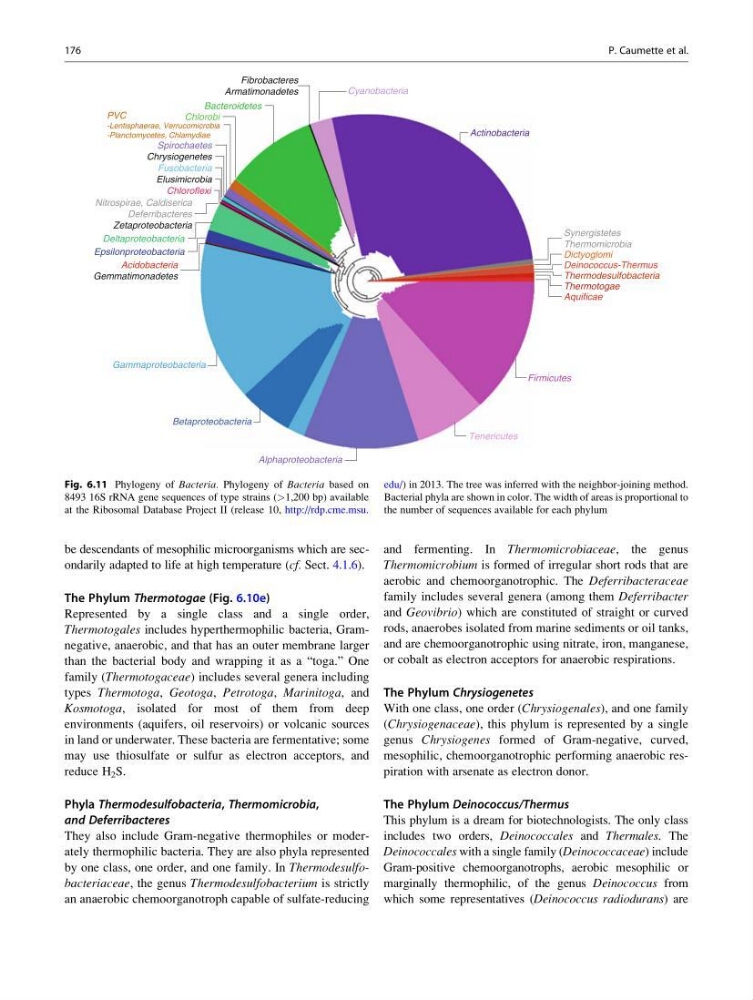
Fig. 6.11 Phylogeny of Bacteria. Phylogeny of Bacteria based on
8493 16S rRNA gene sequences of type strains (>1,200 bp) available
at the Ribosomal Database Project II (release 10, http://rdp.cme.msu.
edu/) in 2013. The tree was inferred with the neighbor-joining method.
Bacterial phyla are shown in color. The width of areas is proportional to
the number of sequences available for each phylum
176
P. Caumette et al.
The Phylum Thermotogae (Fig. 6.10e)
Represented by a single class and a single order,
Thermotogales includes hyperthermophilic bacteria, Gramnegative, anaerobic, and that has an outer membrane larger
than the bacterial body and wrapping it as a “toga.” One
family (Thermotogaceae) includes several genera including
types Thermotoga, Geotoga, Petrotoga, Marinitoga, and
Kosmotoga, isolated for most of them from deep
environments (aquifers, oil reservoirs) or volcanic sources
in land or underwater. These bacteria are fermentative; some
may use thiosulfate or sulfur as electron acceptors, and
reduce H 2 S.
Phyla Thermodesulfobacteria, Thermomicrobia,
and Deferribacteres
They also include Gram-negative thermophiles or moderately thermophilic bacteria. They are also phyla represented
by one class, one order, and one family. In Thermodesulfobacteriaceae, the genus Thermodesulfobacterium is strictly
an anaerobic chemoorganotroph capable of sulfate-reducing
and fermenting. In Thermomicrobiaceae, the genus
Thermomicrobium is formed of irregular short rods that are
aerobic and chemoorganotrophic. The Deferribacteraceae
family includes several genera (among them Deferribacter
and Geovibrio) which are constituted of straight or curved
rods, anaerobes isolated from marine sediments or oil tanks,
and are chemoorganotrophic using nitrate, iron, manganese,
or cobalt as electron acceptors for anaerobic respirations.
The Phylum Chrysiogenetes
With one class, one order (Chrysiogenales), and one family
(Chrysiogenaceae), this phylum is represented by a single
genus Chrysiogenes formed of Gram-negative, curved,
mesophilic, chemoorganotrophic performing anaerobic respiration with arsenate as electron donor.
The Phylum Deinococcus/Thermus
This phylum is a dream for biotechnologists. The only class
includes two orders, Deinococcales and Thermales. The
Deinococcales with a single family (Deinococcaceae) include
Gram-positive chemoorganotrophs, aerobic mesophilic or
marginally thermophilic, of the genus Deinococcus from
which some representatives (Deinococcus radiodurans) are
Aquificae
Thermotogae
Thermodesulfobacteria
Dictyoglomi
Deinococcus-Thermus
Synergistetes
Thermomicrobia
Actinobacteria
Fibrobacteres
Armatimonadetes
Cyanobacteria
Bacteroidetes
Chlorobi
PVC
-Lentisphaerae, Verrucomicrobia
-Planctomycetes, Chlamydiae
Spirochaetes
Chrysiogenetes
Fusobacteria
Elusimicrobia
Chloroflexi
Nitrospirae, Caldiserica
Deferribacteres
Zetaproteobacteria
Deltaproteobacteria
Epsilonproteobacteria
Acidobacteria
Gemmatimonadetes
Gammaproteobacteria
Betaproteobacteria
Alphaproteobacteria
Tenericutes
Firmicutes
Fig. 6.11 Phylogeny of Bacteria. Phylogeny of Bacteria based on
8493 16S rRNA gene sequences of type strains (>1,200 bp) available
at the Ribosomal Database Project II (release 10, http://rdp.cme.msu.
edu/) in 2013. The tree was inferred with the neighbor-joining method.
Bacterial phyla are shown in color. The width of areas is proportional to
the number of sequences available for each phylum
176
P. Caumette et al.