

If, however, phototrophy preceded chemolithoautotrophy, it would have harnessed solar energy. However,
it was also suggested that phototrophy evolved in the
absence of solar energy in microorganisms living near
hydrothermal vents that would have acquired the ability to
use the infrared radiation emitted by these environments
(Nisbet et al. 1995). Current black smokers formed at oceanic hydrothermal vents emit radiation with wavelengths
between 700 and 1,000 nm. These wavelengths correspond
to the absorption spectrum of bacteriochlorophylls of contemporary anoxygenic bacteria such as purple bacteria
(absorbing at wavelengths around 900 nm and greater than
1,000 nm) or green sulphur bacteria (whose maximum
absorption spectrum is around 750 nm (see Sect. 3.3.4)).
Beatty and his team isolated from a black smoker an
unknown green sulphur bacterium whose only source of
light energy would be of geothermal origin (Beatty et al.
2005). This important result, although not yet confirmed by
other studies, would demonstrate the existence of
microorganisms capable of photosynthesis in the absence
of solar energy. Even if this finding were validated, it
would not constitute evidence that photosynthesis appeared
in such environments. It might be a secondary colonisation
of deep environments by initially solar energy-dependent
photosynthetic organisms.
Whichever mechanism appeared first, phototrophy or
chemolitho-autotrophy, the order of appearance of
oxygenic and anoxygenic photosyntheses still remains an
open issue.
Jin Xiong and Carl E. Bauer (2002) from Indiana University propose a model based on the study of the phylogeny of genes involved in the synthesis of photosynthetic
pigments. The first photosynthetic lineage would be
proteobacteria, which perform anoxygenic photosynthesis with photosystem II. Green nonsulphur bacteria
(anoxygenic photosynthesis based on photosystem II),
green sulphur bacteria, and heliobacteria (anoxygenic photosynthesis through photosystem I) would have appeared
secondarily. Cyanobacteria (oxygenic photosynthesis
based on photosystems I and II) would have acquired
these two photosystems by HGTs from green sulphur bacteria and proteobacteria, respectively. While this study
provides evidence that anoxygenic photosynthesis predated
oxygenic photosynthesis, it does not allow any conclusions
to be drawn about the ancestry of phototrophy compared
to chemolitho-autotrophy.
In contrast, a study based on genomic analyses published
by Mulkidjanian and colleagues (2006) suggests that oxygenic photosynthesis performed by cyanobacteria would
have appeared before anoxygenic photosynthesis.
The rock record contains evidence for photosynthesis by
3.46–3.3 Ga, but there is no evidence that this was oxygenic
because there are no signatures of oxygenic photosynthesis
associated.
ATP
Fermentations
ADP + P i
Non fermentables
organic acids
(non F- OA)
H
+
ETS
oxidized
non F- OA
reduced
non F- OA
E T S
ATP
ADP
+
P i
oxidized
non F- OA H
+
reduced
non F- OA
H
+
E T S
mineral
electron
donors
mineral
electron
acceptors
ATP
H
+
ADP
+
P i
a
b
c
d
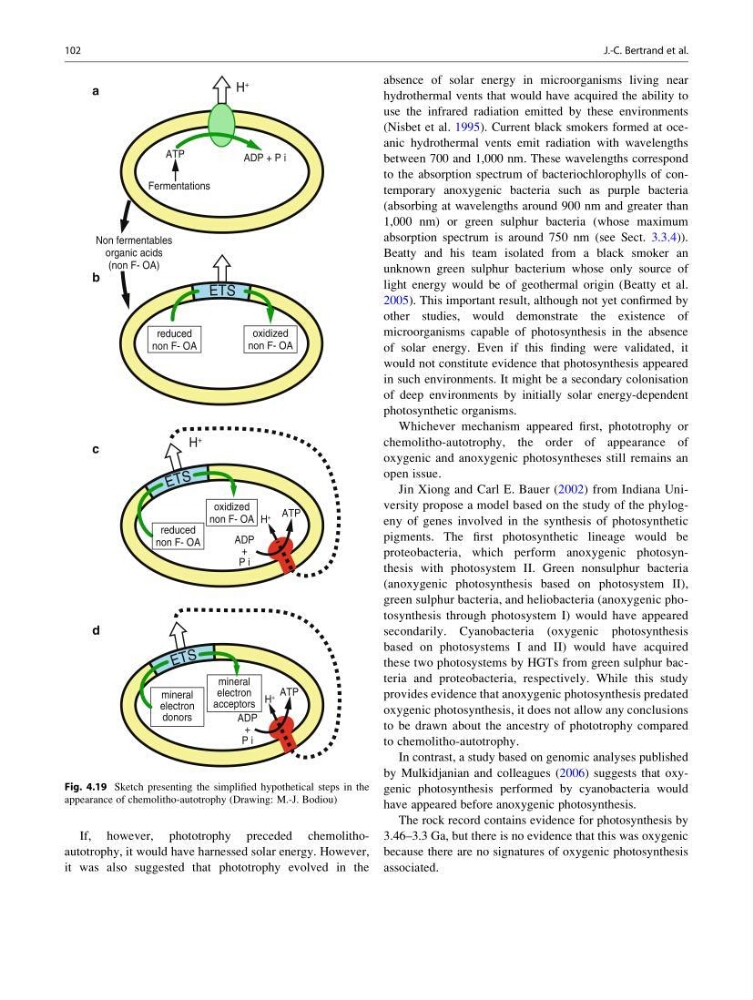
Fig. 4.19 Sketch presenting the simplified hypothetical steps in the
appearance of chemolitho-autotrophy (Drawing: M.-J. Bodiou)
102
J.-C. Bertrand et al.
it was also suggested that phototrophy evolved in the
absence of solar energy in microorganisms living near
hydrothermal vents that would have acquired the ability to
use the infrared radiation emitted by these environments
(Nisbet et al. 1995). Current black smokers formed at oceanic hydrothermal vents emit radiation with wavelengths
between 700 and 1,000 nm. These wavelengths correspond
to the absorption spectrum of bacteriochlorophylls of contemporary anoxygenic bacteria such as purple bacteria
(absorbing at wavelengths around 900 nm and greater than
1,000 nm) or green sulphur bacteria (whose maximum
absorption spectrum is around 750 nm (see Sect. 3.3.4)).
Beatty and his team isolated from a black smoker an
unknown green sulphur bacterium whose only source of
light energy would be of geothermal origin (Beatty et al.
2005). This important result, although not yet confirmed by
other studies, would demonstrate the existence of
microorganisms capable of photosynthesis in the absence
of solar energy. Even if this finding were validated, it
would not constitute evidence that photosynthesis appeared
in such environments. It might be a secondary colonisation
of deep environments by initially solar energy-dependent
photosynthetic organisms.
Whichever mechanism appeared first, phototrophy or
chemolitho-autotrophy, the order of appearance of
oxygenic and anoxygenic photosyntheses still remains an
open issue.
Jin Xiong and Carl E. Bauer (2002) from Indiana University propose a model based on the study of the phylogeny of genes involved in the synthesis of photosynthetic
pigments. The first photosynthetic lineage would be
proteobacteria, which perform anoxygenic photosynthesis with photosystem II. Green nonsulphur bacteria
(anoxygenic photosynthesis based on photosystem II),
green sulphur bacteria, and heliobacteria (anoxygenic photosynthesis through photosystem I) would have appeared
secondarily. Cyanobacteria (oxygenic photosynthesis
based on photosystems I and II) would have acquired
these two photosystems by HGTs from green sulphur bacteria and proteobacteria, respectively. While this study
provides evidence that anoxygenic photosynthesis predated
oxygenic photosynthesis, it does not allow any conclusions
to be drawn about the ancestry of phototrophy compared
to chemolitho-autotrophy.
In contrast, a study based on genomic analyses published
by Mulkidjanian and colleagues (2006) suggests that oxygenic photosynthesis performed by cyanobacteria would
have appeared before anoxygenic photosynthesis.
The rock record contains evidence for photosynthesis by
3.46–3.3 Ga, but there is no evidence that this was oxygenic
because there are no signatures of oxygenic photosynthesis
associated.
ATP
Fermentations
ADP + P i
Non fermentables
organic acids
(non F- OA)
H
+
ETS
oxidized
non F- OA
reduced
non F- OA
E T S
ATP
ADP
+
P i
oxidized
non F- OA H
+
reduced
non F- OA
H
+
E T S
mineral
electron
donors
mineral
electron
acceptors
ATP
H
+
ADP
+
P i
a
b
c
d
Fig. 4.19 Sketch presenting the simplified hypothetical steps in the
appearance of chemolitho-autotrophy (Drawing: M.-J. Bodiou)
102
J.-C. Bertrand et al.