

presence of a suitable silica precursor (orthosilicate or water glass injected together
with the tagged silicatein molecules). The biosilica coating of the trabeculae
induces the recruitment of osteoblasts and mineralization (HA formation) of the
cells. In addition, it induces OPG expression, resulting in decreased bone-resorbing
osteoclast activity due to capturing of RANKL by OPG released from osteoblasts.
10.16 Concluding Remarks
In summary, the data presented in this chapter show that biosilica induces HA
formation in vitro. In parallel, biosilica was found to stimulate cell proliferation
(Wiens et al. 2010b). Based on these promising in vitro results, first approaches
to develop a novel composite which is bioactive and induces new bone formation
have been initiated. This material consists of a moldable matrix containing
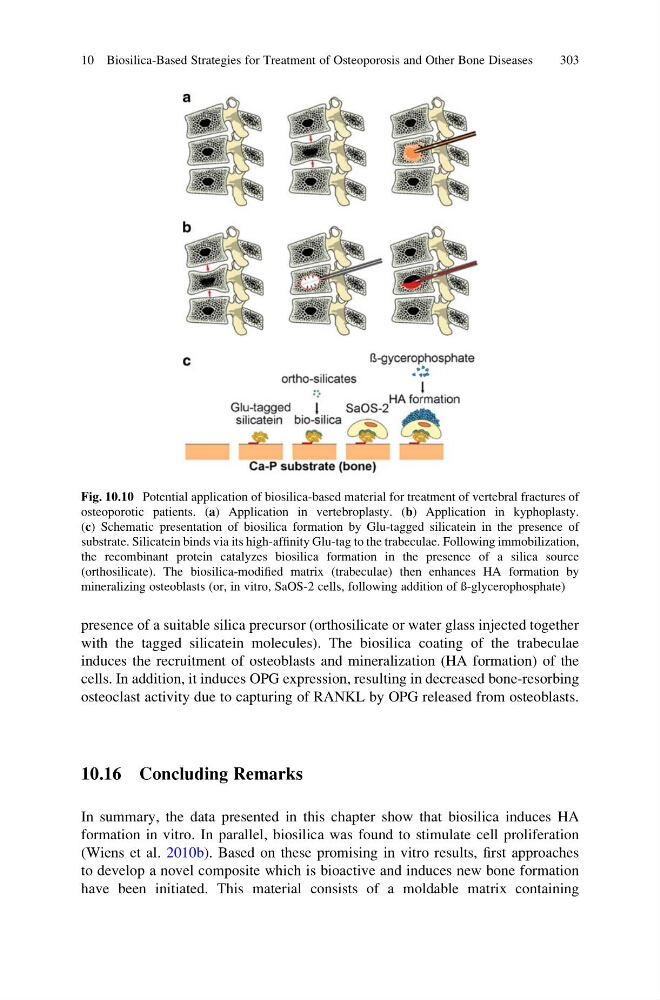
Fig. 10.10 Potential application of biosilica-based material for treatment of vertebral fractures of
osteoporotic patients. (a) Application in vertebroplasty. (b) Application in kyphoplasty.
(c) Schematic presentation of biosilica formation by Glu-tagged silicatein in the presence of
substrate. Silicatein binds via its high-affinity Glu-tag to the trabeculae. Following immobilization,
the recombinant protein catalyzes biosilica formation in the presence of a silica source
(orthosilicate). The biosilica-modified matrix (trabeculae) then enhances HA formation by
mineralizing osteoblasts (or, in vitro, SaOS-2 cells, following addition of ß-glycerophosphate)
10 Biosilica-Based Strategies for Treatment of Osteoporosis and Other Bone Diseases
303
with the tagged silicatein molecules). The biosilica coating of the trabeculae
induces the recruitment of osteoblasts and mineralization (HA formation) of the
cells. In addition, it induces OPG expression, resulting in decreased bone-resorbing
osteoclast activity due to capturing of RANKL by OPG released from osteoblasts.
10.16 Concluding Remarks
In summary, the data presented in this chapter show that biosilica induces HA
formation in vitro. In parallel, biosilica was found to stimulate cell proliferation
(Wiens et al. 2010b). Based on these promising in vitro results, first approaches
to develop a novel composite which is bioactive and induces new bone formation
have been initiated. This material consists of a moldable matrix containing
Fig. 10.10 Potential application of biosilica-based material for treatment of vertebral fractures of
osteoporotic patients. (a) Application in vertebroplasty. (b) Application in kyphoplasty.
(c) Schematic presentation of biosilica formation by Glu-tagged silicatein in the presence of
substrate. Silicatein binds via its high-affinity Glu-tag to the trabeculae. Following immobilization,
the recombinant protein catalyzes biosilica formation in the presence of a silica source
(orthosilicate). The biosilica-modified matrix (trabeculae) then enhances HA formation by
mineralizing osteoblasts (or, in vitro, SaOS-2 cells, following addition of ß-glycerophosphate)
10 Biosilica-Based Strategies for Treatment of Osteoporosis and Other Bone Diseases
303