

53°
52°
6°
5°
40
3°
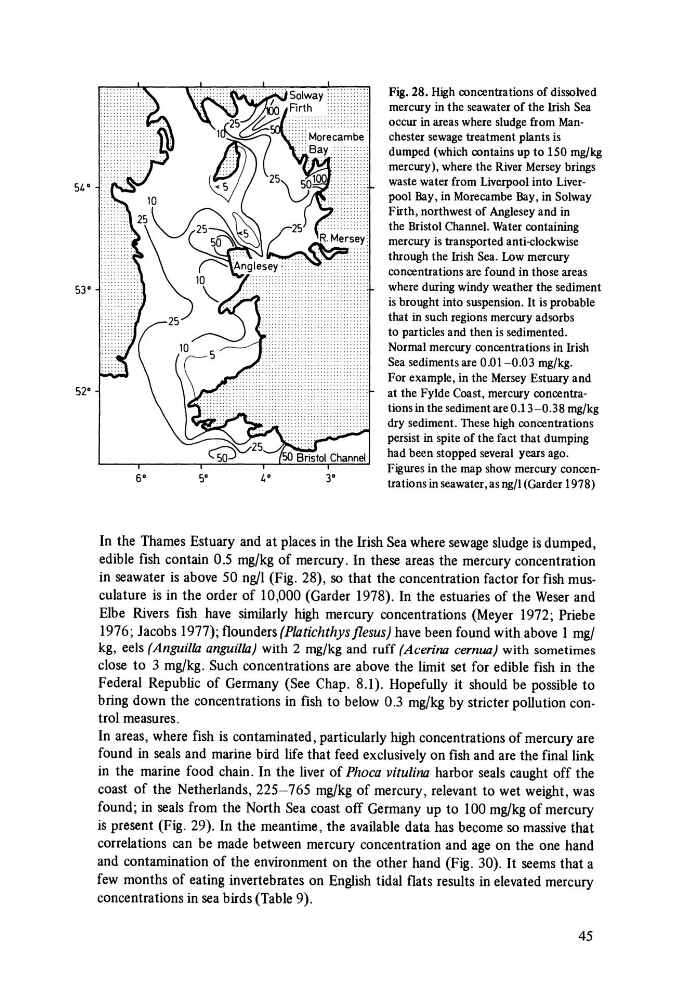
Fig. 28. High ooncentrations of dissolved
mercury in the seawater of the Irish Sea
occur in areas where sludge from Manchester sewage treatment plants is
dumped (which oontains up to ISO mg/kg
mercury), where the River Mersey brings
waste water from Liverpool into Liverpool Bay, in Morecambe Bay, in Solway
Firth, northwest of Anglesey and in
the Bristol Channel. Water containing
mercury is transported anti-clockwise
through the Irish Sea. Low mercury
ooncentrations are found in those areas
where during windy weather the sediment
is brought into suspension. It is probable
that in such regions mercury adsorbs
to particles and then is sedimented.
Normal mercury ooncentrations in lrish
Sea sediments are 0.01-0.03 mg/kg.
For example, in the Mersey Estuary and
at the Fylde Coast, mercury ooncentrations in the sediment are 0.13-0.38 mg/kg
dry sediment. These high concentrations
persist in spite of the fact that dumping
had been stopped several years ago.
Figures in the map show mercury concentrations in seawater, as ng/l (Garder 1978)
In the Thames Estuary and at places in the Irish Sea where sewage sludge is dumped,
edible fish contain 0.5 mg/kg of mercury. In these areas the mercury concentration
in seawater is above 50 ng/l (Fig. 28), so that the concentration factor for fish musculature is in the order of 10,000 (Garder 1978). In the estuaries of the Weser and
Elbe Rivers fish have similarly high mercury concentrations (Meyer 1972; Priebe
1976; Jacobs 1977); flounders (Platichthysflesus) have been found with above 1 mgt
kg, eels (Anguilla anguilla) with 2 mg/kg and ruff (Acerina cernua) with sometimes
close to 3 mg/kg. Such concentrations are above the limit set for edible fish in the
Federal Republic of Germany (See Chap. 8.1). Hopefully it should be possible to
bring down the concentrations in fish to below 0.3 mg/kg by stricter pollution control measures.
In areas, where fish is contaminated, particularly high concentrations of mercury are
found in seals and marine bird life that feed exclusively on fish and are the final link
in the marine food chain. In the liver of Phoca vitulina harbor seals caught off the
coast of the Netherlands, 225-765 mg/kg of mercury, relevant to wet weight, was
found; in seals from the North Sea coast off Germany up to 100 mg/kg of mercury
is present (Fig. 29). In the meantime, the available data has become so massive that
correlations can be made between mercury concentration and age on the one hand
and contamination of the environment on the other hand (Fig. 30). It seems that a
few months of eating invertebrates on English tidal flats results in elevated mercury
concentrations in sea birds (Table 9).
45
52°
6°
5°
40
3°
Fig. 28. High ooncentrations of dissolved
mercury in the seawater of the Irish Sea
occur in areas where sludge from Manchester sewage treatment plants is
dumped (which oontains up to ISO mg/kg
mercury), where the River Mersey brings
waste water from Liverpool into Liverpool Bay, in Morecambe Bay, in Solway
Firth, northwest of Anglesey and in
the Bristol Channel. Water containing
mercury is transported anti-clockwise
through the Irish Sea. Low mercury
ooncentrations are found in those areas
where during windy weather the sediment
is brought into suspension. It is probable
that in such regions mercury adsorbs
to particles and then is sedimented.
Normal mercury ooncentrations in lrish
Sea sediments are 0.01-0.03 mg/kg.
For example, in the Mersey Estuary and
at the Fylde Coast, mercury ooncentrations in the sediment are 0.13-0.38 mg/kg
dry sediment. These high concentrations
persist in spite of the fact that dumping
had been stopped several years ago.
Figures in the map show mercury concentrations in seawater, as ng/l (Garder 1978)
In the Thames Estuary and at places in the Irish Sea where sewage sludge is dumped,
edible fish contain 0.5 mg/kg of mercury. In these areas the mercury concentration
in seawater is above 50 ng/l (Fig. 28), so that the concentration factor for fish musculature is in the order of 10,000 (Garder 1978). In the estuaries of the Weser and
Elbe Rivers fish have similarly high mercury concentrations (Meyer 1972; Priebe
1976; Jacobs 1977); flounders (Platichthysflesus) have been found with above 1 mgt
kg, eels (Anguilla anguilla) with 2 mg/kg and ruff (Acerina cernua) with sometimes
close to 3 mg/kg. Such concentrations are above the limit set for edible fish in the
Federal Republic of Germany (See Chap. 8.1). Hopefully it should be possible to
bring down the concentrations in fish to below 0.3 mg/kg by stricter pollution control measures.
In areas, where fish is contaminated, particularly high concentrations of mercury are
found in seals and marine bird life that feed exclusively on fish and are the final link
in the marine food chain. In the liver of Phoca vitulina harbor seals caught off the
coast of the Netherlands, 225-765 mg/kg of mercury, relevant to wet weight, was
found; in seals from the North Sea coast off Germany up to 100 mg/kg of mercury
is present (Fig. 29). In the meantime, the available data has become so massive that
correlations can be made between mercury concentration and age on the one hand
and contamination of the environment on the other hand (Fig. 30). It seems that a
few months of eating invertebrates on English tidal flats results in elevated mercury
concentrations in sea birds (Table 9).
45