

mm shell thickness
0.5
000000000 0
o 0
0.4
•
• ••••
•••• ••
•
03
mg Ikg DOE
2001 •
• • •
100
I
I
I
0 4 8 12
0
•
••
• •
I
I
I
16 20 24
00
••
I
28
weeks
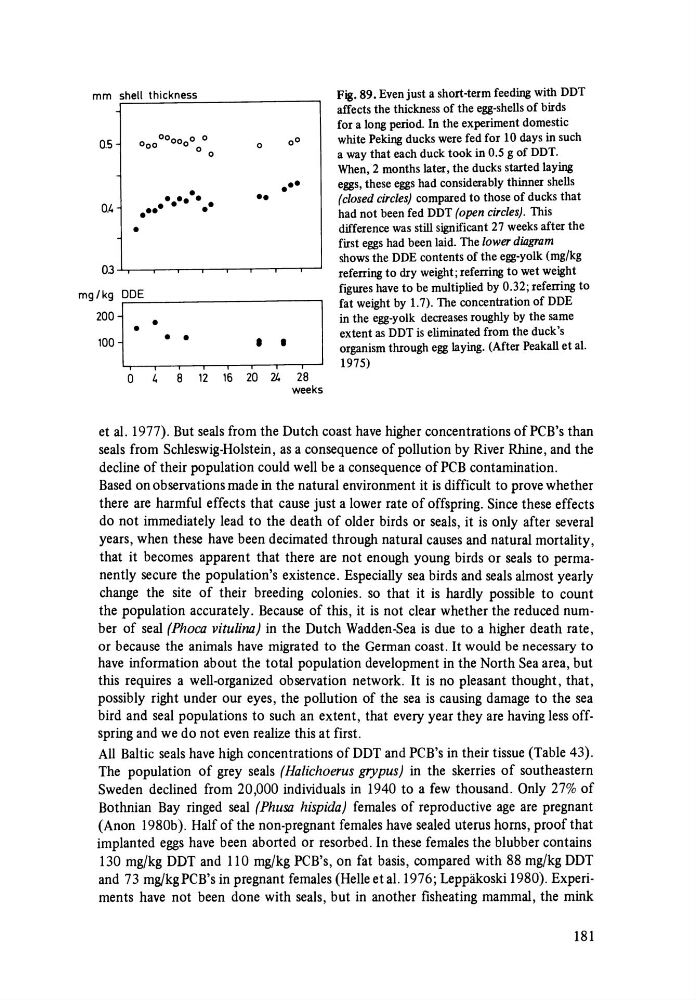
Fig. 89. Even just a short-term feeding with DDT
affects the thickness of the egg-shells of birds
for a long period. In the experiment domestic
white Peking ducks were fed for 10 days in such
a way that each duck took in 0.5 g of DDT.
When, 2 months later, the ducks started laying
eggs, these eggs had considerably thinner shells
(closed circles) compared to those of ducks that
had not been fed DDT (open circles). This
difference was still significant 27 weeks after the
first eggs had been laid. The lower diagram
shows the DDE contents of the egg-yolk (mg/kg
referring to dry weight; referring to wet weight
figures have to be multiplied by 0.32; referring to
fat weight by 1.7). The concentration of DDE
in the egg-yolk decreases roughly by the same
extent as DDT is eliminated from the duck's
organism through egg laying. (After Peakall et al.
1975)
et al. 1977). But seals from the Dutch coast have higher concentrations of PCB's than
seals from Schleswig-Holstein, as a consequence of pollution by River Rhine, and the
decline of their population could well be a consequence of PCB contamination.
Based on observations made in the natural environment it is difficult to prove whether
there are harmful effects that cause just a lower rate of offspring. Since these effects
do not immediately lead to the death of older birds or seals, it is only after several
years, when these have been decimated through natural causes and natural mortality,
that it becomes apparent that there are not enough young birds or seals to permanently secure the population's existence. Especially sea birds and seals almost yearly
change the site of their breeding colonies. so that it is hardly possible to count
the population accurately. Because of this, it is not clear whether the reduced number of seal (Phoca vitulina) in the Dutch Wadden-Sea is due to a higher death rate,
or because the animals have migrated to the German coast. It would be necessary to
have information about the total population development in the North Sea area, but
this requires a well-organized observation network. It is no pleasant thought, that,
possibly right under our eyes, the pollution of the sea is causing damage to the sea
bird and seal populations to such an extent, that every year they are having less offspring and we do not even realize this at first.
All Baltic seals have high concentrations of DDT and PCB's in their tissue (Table 43).
The population of grey seals (Halichoerus grypus) in the skerries of southeastern
Sweden declined from 20,000 individuals in 1940 to a few thousand. Only 27% of
Bothnian Bay ringed seal (Phusa hispida) females of reproductive age are pregnant
(Anon 1980b). Half of the non-pregnant females have sealed uterus horns, proof that
implanted eggs have been aborted or resorbed. In these females the blubber contains
130 mg/kg DDT and 110 mg/kg PCB's, on fat basis, compared with 88 mg/kg DDT
and 73 mg/kgPCB's in pregnant females (Helle et al. 1976; Leppakoski 1980). Experiments have not been done with seals, but in another fisheating mammal, the mink
181
0.5
000000000 0
o 0
0.4
•
• ••••
•••• ••
•
03
mg Ikg DOE
2001 •
• • •
100
I
I
I
0 4 8 12
0
•
••
• •
I
I
I
16 20 24
00
••
I
28
weeks
Fig. 89. Even just a short-term feeding with DDT
affects the thickness of the egg-shells of birds
for a long period. In the experiment domestic
white Peking ducks were fed for 10 days in such
a way that each duck took in 0.5 g of DDT.
When, 2 months later, the ducks started laying
eggs, these eggs had considerably thinner shells
(closed circles) compared to those of ducks that
had not been fed DDT (open circles). This
difference was still significant 27 weeks after the
first eggs had been laid. The lower diagram
shows the DDE contents of the egg-yolk (mg/kg
referring to dry weight; referring to wet weight
figures have to be multiplied by 0.32; referring to
fat weight by 1.7). The concentration of DDE
in the egg-yolk decreases roughly by the same
extent as DDT is eliminated from the duck's
organism through egg laying. (After Peakall et al.
1975)
et al. 1977). But seals from the Dutch coast have higher concentrations of PCB's than
seals from Schleswig-Holstein, as a consequence of pollution by River Rhine, and the
decline of their population could well be a consequence of PCB contamination.
Based on observations made in the natural environment it is difficult to prove whether
there are harmful effects that cause just a lower rate of offspring. Since these effects
do not immediately lead to the death of older birds or seals, it is only after several
years, when these have been decimated through natural causes and natural mortality,
that it becomes apparent that there are not enough young birds or seals to permanently secure the population's existence. Especially sea birds and seals almost yearly
change the site of their breeding colonies. so that it is hardly possible to count
the population accurately. Because of this, it is not clear whether the reduced number of seal (Phoca vitulina) in the Dutch Wadden-Sea is due to a higher death rate,
or because the animals have migrated to the German coast. It would be necessary to
have information about the total population development in the North Sea area, but
this requires a well-organized observation network. It is no pleasant thought, that,
possibly right under our eyes, the pollution of the sea is causing damage to the sea
bird and seal populations to such an extent, that every year they are having less offspring and we do not even realize this at first.
All Baltic seals have high concentrations of DDT and PCB's in their tissue (Table 43).
The population of grey seals (Halichoerus grypus) in the skerries of southeastern
Sweden declined from 20,000 individuals in 1940 to a few thousand. Only 27% of
Bothnian Bay ringed seal (Phusa hispida) females of reproductive age are pregnant
(Anon 1980b). Half of the non-pregnant females have sealed uterus horns, proof that
implanted eggs have been aborted or resorbed. In these females the blubber contains
130 mg/kg DDT and 110 mg/kg PCB's, on fat basis, compared with 88 mg/kg DDT
and 73 mg/kgPCB's in pregnant females (Helle et al. 1976; Leppakoski 1980). Experiments have not been done with seals, but in another fisheating mammal, the mink
181