

Part A | 3.2
28 Part A Marine Flora and Fauna
Protozoa, zooplanktons
Diatoms/flagellates
Chl a, c
100%
Until 1970s
CO 2
Higher predators
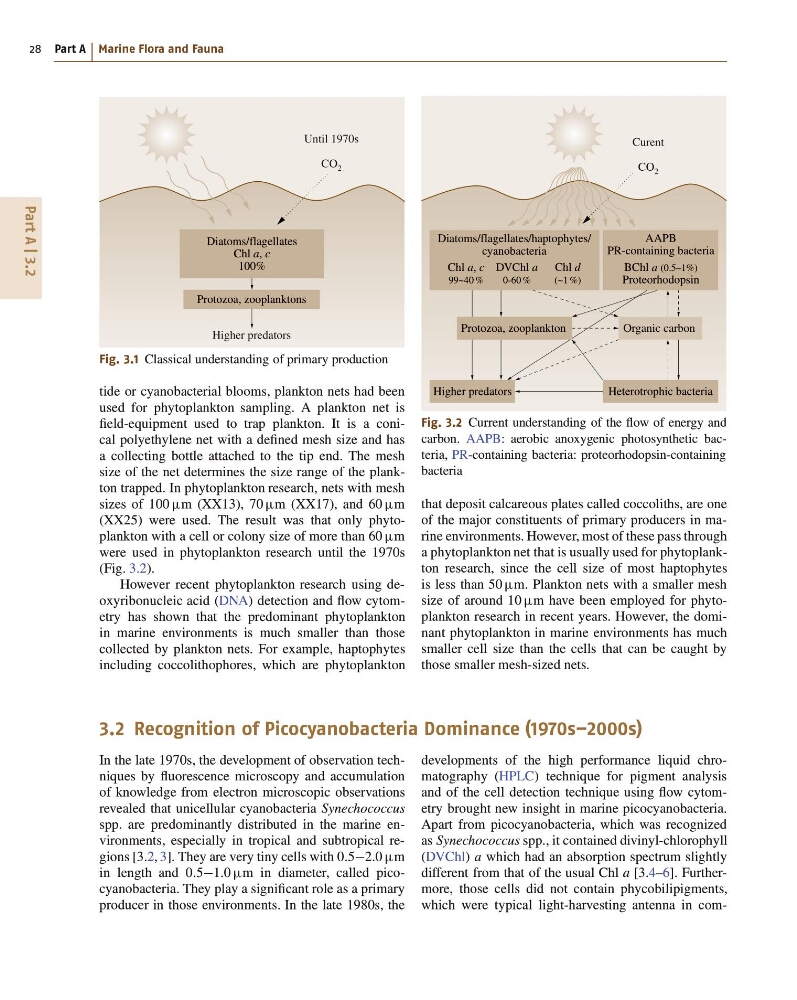
Fig. 3.1 Classical understanding of primary production
tide or cyanobacterial blooms, plankton nets had been
used for phytoplankton sampling. A plankton net is
field-equipment used to trap plankton. It is a conical polyethylene net with a defined mesh size and has
a collecting bottle attached to the tip end. The mesh
size of the net determines the size range of the plankton trapped. In phytoplankton research, nets with mesh
sizes of 100 m (XX13), 70 m (XX17), and 60 m
(XX25) were used. The result was that only phytoplankton with a cell or colony size of more than 60 m
were used in phytoplankton research until the 1970s
(Fig. 3.2).
However recent phytoplankton research using deoxyribonucleic acid (DNA) detection and flow cytometry has shown that the predominant phytoplankton
in marine environments is much smaller than those
collected by plankton nets. For example, haptophytes
including coccolithophores, which are phytoplankton
Curent
CO 2
AAPB
PR-containing bacteria
BChl a (0.5–1%)
Proteorhodopsin
Heterotrophic bacteria
Protozoa, zooplankton
Organic carbon
Chl d
(~1 %)
Chl a, c
99~40 %
DVChl a
0-60 %
Diatoms/flagellates/haptophytes/
cyanobacteria
Higher predators
Fig. 3.2 Current understanding of the flow of energy and
carbon. AAPB: aerobic anoxygenic photosynthetic bacteria, PR-containing bacteria: proteorhodopsin-containing
bacteria
that deposit calcareous plates called coccoliths, are one
of the major constituents of primary producers in marine environments. However, most of these pass through
a phytoplankton net that is usually used for phytoplankton research, since the cell size of most haptophytes
is less than 50 m. Plankton nets with a smaller mesh
size of around 10 m have been employed for phytoplankton research in recent years. However, the dominant phytoplankton in marine environments has much
smaller cell size than the cells that can be caught by
those smaller mesh-sized nets.
3.2 Recognition of Picocyanobacteria Dominance (1970s–2000s)
In the late 1970s, the development of observation techniques by fluorescence microscopy and accumulation
of knowledge from electron microscopic observations
revealed that unicellular cyanobacteria Synechococcus
spp. are predominantly distributed in the marine environments, especially in tropical and subtropical regions [3.2, 3]. They are very tiny cells with 0:52:0 m
in length and 0:51:0 m in diameter, called picocyanobacteria. They play a significant role as a primary
producer in those environments. In the late 1980s, the
developments of the high performance liquid chromatography (HPLC) technique for pigment analysis
and of the cell detection technique using flow cytometry brought new insight in marine picocyanobacteria.
Apart from picocyanobacteria, which was recognized
as Synechococcus spp., it contained divinyl-chlorophyll
(DVChl) a which had an absorption spectrum slightly
different from that of the usual Chl a [3.4–6]. Furthermore, those cells did not contain phycobilipigments,
which were typical light-harvesting antenna in com-
28 Part A Marine Flora and Fauna
Protozoa, zooplanktons
Diatoms/flagellates
Chl a, c
100%
Until 1970s
CO 2
Higher predators
Fig. 3.1 Classical understanding of primary production
tide or cyanobacterial blooms, plankton nets had been
used for phytoplankton sampling. A plankton net is
field-equipment used to trap plankton. It is a conical polyethylene net with a defined mesh size and has
a collecting bottle attached to the tip end. The mesh
size of the net determines the size range of the plankton trapped. In phytoplankton research, nets with mesh
sizes of 100 m (XX13), 70 m (XX17), and 60 m
(XX25) were used. The result was that only phytoplankton with a cell or colony size of more than 60 m
were used in phytoplankton research until the 1970s
(Fig. 3.2).
However recent phytoplankton research using deoxyribonucleic acid (DNA) detection and flow cytometry has shown that the predominant phytoplankton
in marine environments is much smaller than those
collected by plankton nets. For example, haptophytes
including coccolithophores, which are phytoplankton
Curent
CO 2
AAPB
PR-containing bacteria
BChl a (0.5–1%)
Proteorhodopsin
Heterotrophic bacteria
Protozoa, zooplankton
Organic carbon
Chl d
(~1 %)
Chl a, c
99~40 %
DVChl a
0-60 %
Diatoms/flagellates/haptophytes/
cyanobacteria
Higher predators
Fig. 3.2 Current understanding of the flow of energy and
carbon. AAPB: aerobic anoxygenic photosynthetic bacteria, PR-containing bacteria: proteorhodopsin-containing
bacteria
that deposit calcareous plates called coccoliths, are one
of the major constituents of primary producers in marine environments. However, most of these pass through
a phytoplankton net that is usually used for phytoplankton research, since the cell size of most haptophytes
is less than 50 m. Plankton nets with a smaller mesh
size of around 10 m have been employed for phytoplankton research in recent years. However, the dominant phytoplankton in marine environments has much
smaller cell size than the cells that can be caught by
those smaller mesh-sized nets.
3.2 Recognition of Picocyanobacteria Dominance (1970s–2000s)
In the late 1970s, the development of observation techniques by fluorescence microscopy and accumulation
of knowledge from electron microscopic observations
revealed that unicellular cyanobacteria Synechococcus
spp. are predominantly distributed in the marine environments, especially in tropical and subtropical regions [3.2, 3]. They are very tiny cells with 0:52:0 m
in length and 0:51:0 m in diameter, called picocyanobacteria. They play a significant role as a primary
producer in those environments. In the late 1980s, the
developments of the high performance liquid chromatography (HPLC) technique for pigment analysis
and of the cell detection technique using flow cytometry brought new insight in marine picocyanobacteria.
Apart from picocyanobacteria, which was recognized
as Synechococcus spp., it contained divinyl-chlorophyll
(DVChl) a which had an absorption spectrum slightly
different from that of the usual Chl a [3.4–6]. Furthermore, those cells did not contain phycobilipigments,
which were typical light-harvesting antenna in com-