

Part C | 18.7
488 Part C Marine Genomics
Conus textile venom duct and that post-translational
modification variants significantly enrich the peptide
pool for the combinatorial mechanism of envenomation, which may contribute to the production of toxin
groups suitable to a particular predatory or defence
requirement [18.97].
Since there is a paucity of information regarding
the global protein content of injected venom, Violette et al. [18.100] used liquid chromatography electrospray ionization mass spectrometry (LC-ESI-MS)
to analyze native injectable venom of Conus consors and coupled the data to extensive venom duct
transcriptomic data to match the results and deduce
nucleic and amino acid sequences. This approach resulted in identification of 105 components out of 400
molecular masses detected in the venom, which included new conotoxins belonging to the A, M, and
O1-superfamilies, as well as a novel super family of
disulphide-free conopeptides. The study demonstrated
that it is possible to identify more than 100 peptides and proteins in injectable cone snail venom using
a combined proteomic/transcriptomic approach and established a promising strategy for the discovery of novel
therapeutics from cone snail venom [18.100].
18.7 Algal Toxins
Marine algal toxins are produced by unicellular algae
that proliferate and/or aggregate to form dense concentrations of cells or blooms in response to favorable environmental conditions often associated with upwelling
systems of the eastern boundaries of the world’s oceans
(Fig. 18.3) [18.103–105]. Only 2% (6090 species, belonging to the dinoflagellate and diatom groups) of the
34004000 known phytoplankton taxa are toxic and responsible for more than 60 000 intoxication incidents
per year worldwide, with an overall mortality rate of
1:5% [18.103, 105]. The incidence, geographic ranges,
and variety of harmful algal blooms (HABs) and their
toxins appears to be increasing, possibly due to increased anthropogenic nutrient loading and/or climate
change [18.16, 103, 105]. HABs impact human health
as a consequence of consuming contaminated seafood
(such as filter-feeding shellfish), causing diseases which
include paralytic shellfish poisoning (PSP), diarrhoeic
shellfish poisoning (DSP), ciguatera fish poisoning,
neurotoxic shellfish poisoning, amnesic shellfish poisoning, and azaspiracid shellfish poisoning [18.16, 103,
105]. Since vaccines to protect against dinoflagellate
toxins have not yet been developed, prevention of HABrelated diseases relies on monitoring algal blooms and
seafood, as well as surveillance of human populations
for the incidence of disease [18.16, 105].
PSP is caused by consumption of shellfish contaminated with paralytic shell-fish poisoning toxin (PST),
which is a mixture of saxitoxin analogs of approximately two dozen naturally occurring cyclic perhydropurine compounds that differ in their specific toxicities [18.106]. PSTs are produced by several dinoflagellates, particularly species belonging to the genera
Alexandrium, Gymnodinium and Pyrodinium [18.106].
Although rapid identification of dinoflagellates present
in a particular bloom would allow an accurate assessment of the potential health risk of the event,
allowing appropriate contingency measures to be set
in place, dinoflagellate identification is currently accomplished by light and scanning electron microscopy,
which are both time consuming and complicated due
to the difficulty associated with employing morphology as a sole criterion of unicellular algal taxonomic
identity [18.107]. Consequently, Chan et al. [18.107]
employed 2D-PAGE to generate proteome reference
maps for nine species responsible for HABs off Hong
Kong on the basis that the proteome of unicellular algae
is simple and unique to each species. Species-specific
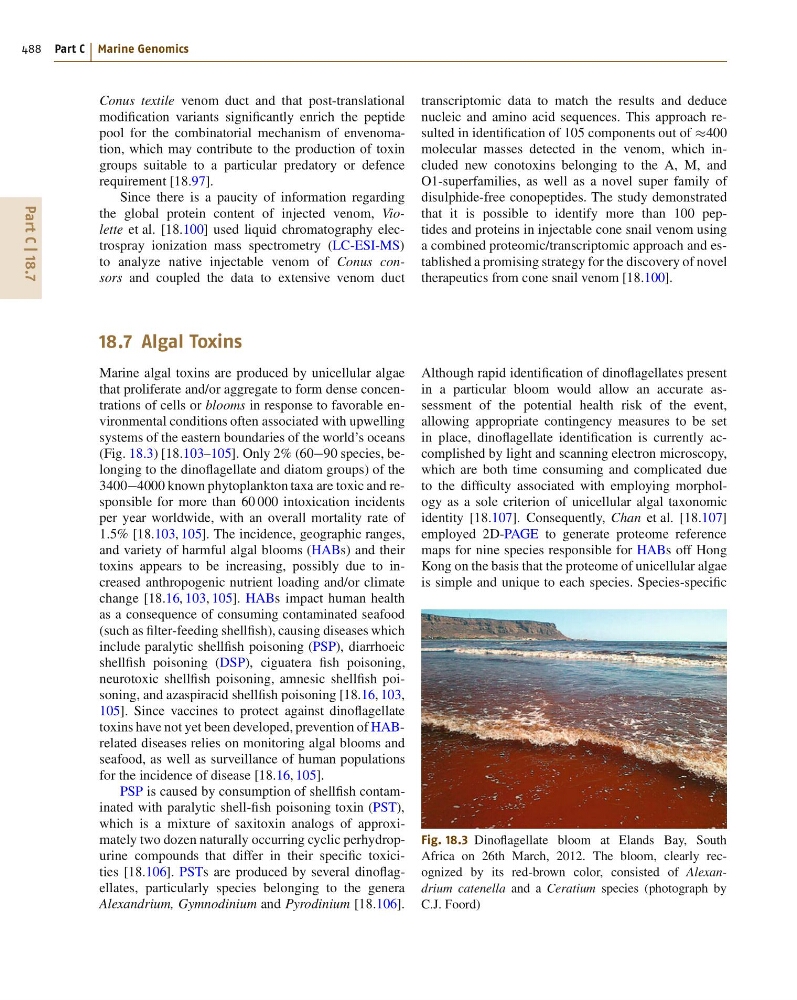
Fig. 18.3 Dinoflagellate bloom at Elands Bay, South
Africa on 26th March, 2012. The bloom, clearly recognized by its red-brown color, consisted of Alexandrium catenella and a Ceratium species (photograph by
C.J. Foord)
488 Part C Marine Genomics
Conus textile venom duct and that post-translational
modification variants significantly enrich the peptide
pool for the combinatorial mechanism of envenomation, which may contribute to the production of toxin
groups suitable to a particular predatory or defence
requirement [18.97].
Since there is a paucity of information regarding
the global protein content of injected venom, Violette et al. [18.100] used liquid chromatography electrospray ionization mass spectrometry (LC-ESI-MS)
to analyze native injectable venom of Conus consors and coupled the data to extensive venom duct
transcriptomic data to match the results and deduce
nucleic and amino acid sequences. This approach resulted in identification of 105 components out of 400
molecular masses detected in the venom, which included new conotoxins belonging to the A, M, and
O1-superfamilies, as well as a novel super family of
disulphide-free conopeptides. The study demonstrated
that it is possible to identify more than 100 peptides and proteins in injectable cone snail venom using
a combined proteomic/transcriptomic approach and established a promising strategy for the discovery of novel
therapeutics from cone snail venom [18.100].
18.7 Algal Toxins
Marine algal toxins are produced by unicellular algae
that proliferate and/or aggregate to form dense concentrations of cells or blooms in response to favorable environmental conditions often associated with upwelling
systems of the eastern boundaries of the world’s oceans
(Fig. 18.3) [18.103–105]. Only 2% (6090 species, belonging to the dinoflagellate and diatom groups) of the
34004000 known phytoplankton taxa are toxic and responsible for more than 60 000 intoxication incidents
per year worldwide, with an overall mortality rate of
1:5% [18.103, 105]. The incidence, geographic ranges,
and variety of harmful algal blooms (HABs) and their
toxins appears to be increasing, possibly due to increased anthropogenic nutrient loading and/or climate
change [18.16, 103, 105]. HABs impact human health
as a consequence of consuming contaminated seafood
(such as filter-feeding shellfish), causing diseases which
include paralytic shellfish poisoning (PSP), diarrhoeic
shellfish poisoning (DSP), ciguatera fish poisoning,
neurotoxic shellfish poisoning, amnesic shellfish poisoning, and azaspiracid shellfish poisoning [18.16, 103,
105]. Since vaccines to protect against dinoflagellate
toxins have not yet been developed, prevention of HABrelated diseases relies on monitoring algal blooms and
seafood, as well as surveillance of human populations
for the incidence of disease [18.16, 105].
PSP is caused by consumption of shellfish contaminated with paralytic shell-fish poisoning toxin (PST),
which is a mixture of saxitoxin analogs of approximately two dozen naturally occurring cyclic perhydropurine compounds that differ in their specific toxicities [18.106]. PSTs are produced by several dinoflagellates, particularly species belonging to the genera
Alexandrium, Gymnodinium and Pyrodinium [18.106].
Although rapid identification of dinoflagellates present
in a particular bloom would allow an accurate assessment of the potential health risk of the event,
allowing appropriate contingency measures to be set
in place, dinoflagellate identification is currently accomplished by light and scanning electron microscopy,
which are both time consuming and complicated due
to the difficulty associated with employing morphology as a sole criterion of unicellular algal taxonomic
identity [18.107]. Consequently, Chan et al. [18.107]
employed 2D-PAGE to generate proteome reference
maps for nine species responsible for HABs off Hong
Kong on the basis that the proteome of unicellular algae
is simple and unique to each species. Species-specific
Fig. 18.3 Dinoflagellate bloom at Elands Bay, South
Africa on 26th March, 2012. The bloom, clearly recognized by its red-brown color, consisted of Alexandrium catenella and a Ceratium species (photograph by
C.J. Foord)