

Marine Sponge Metagenomics 17.3 Application and Latest Progress in Sponge Metagenomics 467
Part C | 17.3
1. Onamide A
2. Pederin
OMe
COOH
OH
O
O
O
H
N
N
H
O O
O
NH
NH
H 2 N
HO
MeO
5. Myclamide
OMe
OH
OH
HO
OH
Cl
N
NH
NH
NH
HO
OH
OH
O
O
H
N
N
H
H
N
O O
O
O
O
O
MeO
6. Psymberin
OH
OH
OH
OH
OMe
O
O
OH
NH 2
O
H
N
OMe
O
O
O
O
O
O
MeO
OH
OH
O
O
OH
OH
NH
HN
COOMe
O
H
N
OMe
O
MeO
OMe
OMe
3. Dysidenin
NH
O
N
O
S
N
Cl 3 C
CCl 3
4. Barbamide
7. Chondramide
Br
N
NH
NH
NH
OAc
HO
O
O
O
O
HO
HO
MeOOC
O
O
O
O
S
N
N
N
O
S
O
O
O
N
O
O
O
O
O
8. Jasplakinolide
10. Bryostatin
11. Petellamide
9. Disocodermolide
N
O
S
N
CCl 3
OMe
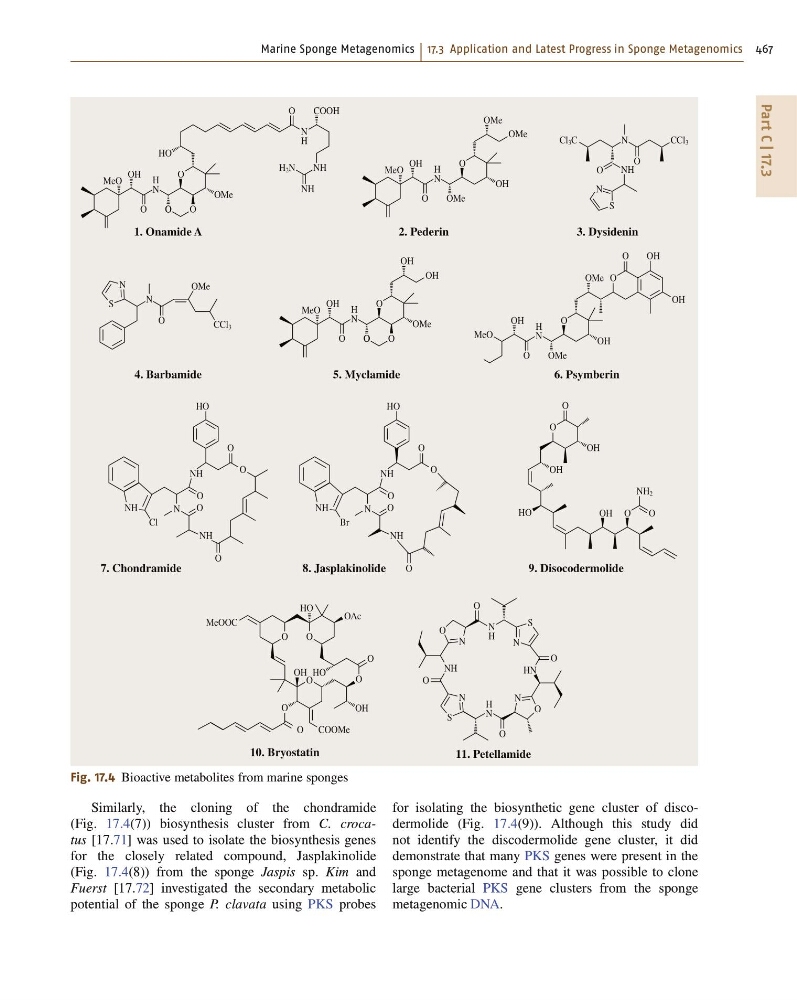
Fig. 17.4 Bioactive metabolites from marine sponges
Similarly, the cloning of the chondramide
(Fig. 17.4(7)) biosynthesis cluster from C. crocatus [17.71] was used to isolate the biosynthesis genes
for the closely related compound, Jasplakinolide
(Fig. 17.4(8)) from the sponge Jaspis sp. Kim and
Fuerst [17.72] investigated the secondary metabolic
potential of the sponge P. clavata using PKS probes
for isolating the biosynthetic gene cluster of discodermolide (Fig. 17.4(9)). Although this study did
not identify the discodermolide gene cluster, it did
demonstrate that many PKS genes were present in the
sponge metagenome and that it was possible to clone
large bacterial PKS gene clusters from the sponge
metagenomic DNA.
Part C | 17.3
1. Onamide A
2. Pederin
OMe
COOH
OH
O
O
O
H
N
N
H
O O
O
NH
NH
H 2 N
HO
MeO
5. Myclamide
OMe
OH
OH
HO
OH
Cl
N
NH
NH
NH
HO
OH
OH
O
O
H
N
N
H
H
N
O O
O
O
O
O
MeO
6. Psymberin
OH
OH
OH
OH
OMe
O
O
OH
NH 2
O
H
N
OMe
O
O
O
O
O
O
MeO
OH
OH
O
O
OH
OH
NH
HN
COOMe
O
H
N
OMe
O
MeO
OMe
OMe
3. Dysidenin
NH
O
N
O
S
N
Cl 3 C
CCl 3
4. Barbamide
7. Chondramide
Br
N
NH
NH
NH
OAc
HO
O
O
O
O
HO
HO
MeOOC
O
O
O
O
S
N
N
N
O
S
O
O
O
N
O
O
O
O
O
8. Jasplakinolide
10. Bryostatin
11. Petellamide
9. Disocodermolide
N
O
S
N
CCl 3
OMe
Fig. 17.4 Bioactive metabolites from marine sponges
Similarly, the cloning of the chondramide
(Fig. 17.4(7)) biosynthesis cluster from C. crocatus [17.71] was used to isolate the biosynthesis genes
for the closely related compound, Jasplakinolide
(Fig. 17.4(8)) from the sponge Jaspis sp. Kim and
Fuerst [17.72] investigated the secondary metabolic
potential of the sponge P. clavata using PKS probes
for isolating the biosynthetic gene cluster of discodermolide (Fig. 17.4(9)). Although this study did
not identify the discodermolide gene cluster, it did
demonstrate that many PKS genes were present in the
sponge metagenome and that it was possible to clone
large bacterial PKS gene clusters from the sponge
metagenomic DNA.