

Part C | 17.2
464 Part C Marine Genomics
Sulfurylase
Apyrase
Nucleotide added
ATP Light
Luciferin
APS + PPi ATP
Oxyluciferin
Time
Light
Nucleotide sequence
dNDP + dNMP + phosphate
Nucleotide incorporation generates light
seen as a peak in the pyrogram
dNTP
Polymerase
Luciferase
dNDP + dNMP + phosphate
(DNA) n + dNTP
ADP + AMP + phosphate
ATP
Apyrase
G C T A G C T
G C – A CG GC T
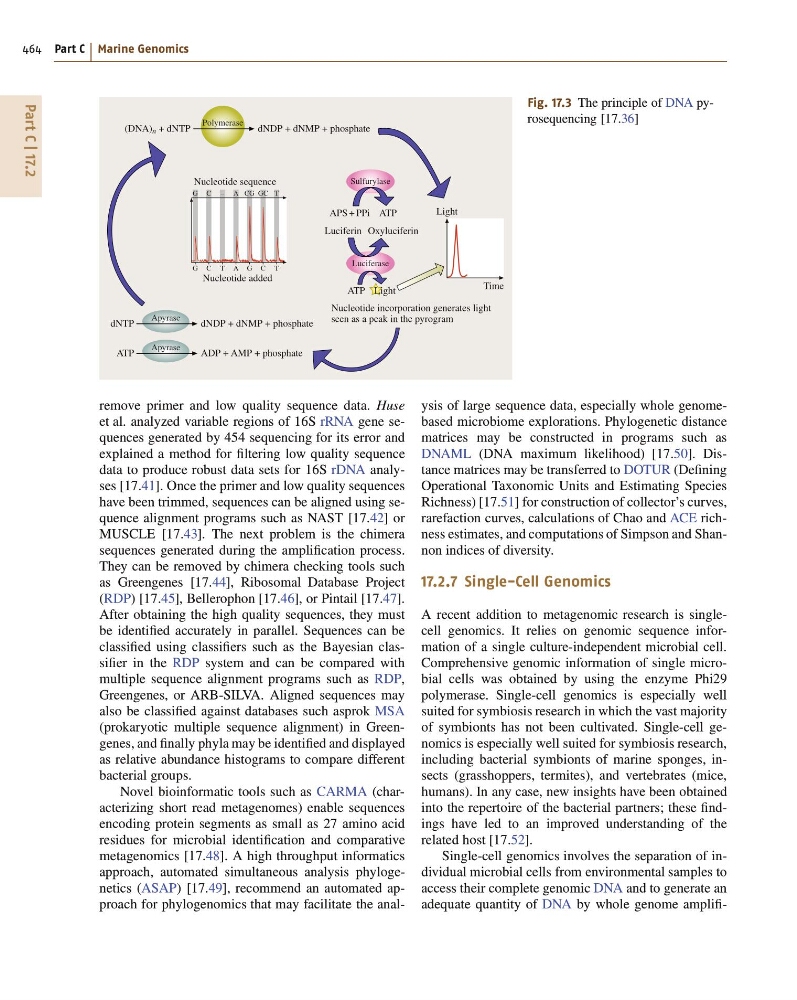
Fig. 17.3 The principle of DNA pyrosequencing [17.36]
remove primer and low quality sequence data. Huse
et al. analyzed variable regions of 16S rRNA gene sequences generated by 454 sequencing for its error and
explained a method for filtering low quality sequence
data to produce robust data sets for 16S rDNA analyses [17.41]. Once the primer and low quality sequences
have been trimmed, sequences can be aligned using sequence alignment programs such as NAST [17.42] or
MUSCLE [17.43]. The next problem is the chimera
sequences generated during the amplification process.
They can be removed by chimera checking tools such
as Greengenes [17.44], Ribosomal Database Project
(RDP) [17.45], Bellerophon [17.46], or Pintail [17.47].
After obtaining the high quality sequences, they must
be identified accurately in parallel. Sequences can be
classified using classifiers such as the Bayesian classifier in the RDP system and can be compared with
multiple sequence alignment programs such as RDP,
Greengenes, or ARB-SILVA. Aligned sequences may
also be classified against databases such asprok MSA
(prokaryotic multiple sequence alignment) in Greengenes, and finally phyla may be identified and displayed
as relative abundance histograms to compare different
bacterial groups.
Novel bioinformatic tools such as CARMA (characterizing short read metagenomes) enable sequences
encoding protein segments as small as 27 amino acid
residues for microbial identification and comparative
metagenomics [17.48]. A high throughput informatics
approach, automated simultaneous analysis phylogenetics (ASAP) [17.49], recommend an automated approach for phylogenomics that may facilitate the analysis of large sequence data, especially whole genomebased microbiome explorations. Phylogenetic distance
matrices may be constructed in programs such as
DNAML (DNA maximum likelihood) [17.50]. Distance matrices may be transferred to DOTUR (Defining
Operational Taxonomic Units and Estimating Species
Richness) [17.51] for construction of collector’s curves,
rarefaction curves, calculations of Chao and ACE richness estimates, and computations of Simpson and Shannon indices of diversity.
17.2.7 Single-Cell Genomics
A recent addition to metagenomic research is singlecell genomics. It relies on genomic sequence information of a single culture-independent microbial cell.
Comprehensive genomic information of single microbial cells was obtained by using the enzyme Phi29
polymerase. Single-cell genomics is especially well
suited for symbiosis research in which the vast majority
of symbionts has not been cultivated. Single-cell genomics is especially well suited for symbiosis research,
including bacterial symbionts of marine sponges, insects (grasshoppers, termites), and vertebrates (mice,
humans). In any case, new insights have been obtained
into the repertoire of the bacterial partners; these findings have led to an improved understanding of the
related host [17.52].
Single-cell genomics involves the separation of individual microbial cells from environmental samples to
access their complete genomic DNA and to generate an
adequate quantity of DNA by whole genome amplifi-
464 Part C Marine Genomics
Sulfurylase
Apyrase
Nucleotide added
ATP Light
Luciferin
APS + PPi ATP
Oxyluciferin
Time
Light
Nucleotide sequence
dNDP + dNMP + phosphate
Nucleotide incorporation generates light
seen as a peak in the pyrogram
dNTP
Polymerase
Luciferase
dNDP + dNMP + phosphate
(DNA) n + dNTP
ADP + AMP + phosphate
ATP
Apyrase
G C T A G C T
G C – A CG GC T
Fig. 17.3 The principle of DNA pyrosequencing [17.36]
remove primer and low quality sequence data. Huse
et al. analyzed variable regions of 16S rRNA gene sequences generated by 454 sequencing for its error and
explained a method for filtering low quality sequence
data to produce robust data sets for 16S rDNA analyses [17.41]. Once the primer and low quality sequences
have been trimmed, sequences can be aligned using sequence alignment programs such as NAST [17.42] or
MUSCLE [17.43]. The next problem is the chimera
sequences generated during the amplification process.
They can be removed by chimera checking tools such
as Greengenes [17.44], Ribosomal Database Project
(RDP) [17.45], Bellerophon [17.46], or Pintail [17.47].
After obtaining the high quality sequences, they must
be identified accurately in parallel. Sequences can be
classified using classifiers such as the Bayesian classifier in the RDP system and can be compared with
multiple sequence alignment programs such as RDP,
Greengenes, or ARB-SILVA. Aligned sequences may
also be classified against databases such asprok MSA
(prokaryotic multiple sequence alignment) in Greengenes, and finally phyla may be identified and displayed
as relative abundance histograms to compare different
bacterial groups.
Novel bioinformatic tools such as CARMA (characterizing short read metagenomes) enable sequences
encoding protein segments as small as 27 amino acid
residues for microbial identification and comparative
metagenomics [17.48]. A high throughput informatics
approach, automated simultaneous analysis phylogenetics (ASAP) [17.49], recommend an automated approach for phylogenomics that may facilitate the analysis of large sequence data, especially whole genomebased microbiome explorations. Phylogenetic distance
matrices may be constructed in programs such as
DNAML (DNA maximum likelihood) [17.50]. Distance matrices may be transferred to DOTUR (Defining
Operational Taxonomic Units and Estimating Species
Richness) [17.51] for construction of collector’s curves,
rarefaction curves, calculations of Chao and ACE richness estimates, and computations of Simpson and Shannon indices of diversity.
17.2.7 Single-Cell Genomics
A recent addition to metagenomic research is singlecell genomics. It relies on genomic sequence information of a single culture-independent microbial cell.
Comprehensive genomic information of single microbial cells was obtained by using the enzyme Phi29
polymerase. Single-cell genomics is especially well
suited for symbiosis research in which the vast majority
of symbionts has not been cultivated. Single-cell genomics is especially well suited for symbiosis research,
including bacterial symbionts of marine sponges, insects (grasshoppers, termites), and vertebrates (mice,
humans). In any case, new insights have been obtained
into the repertoire of the bacterial partners; these findings have led to an improved understanding of the
related host [17.52].
Single-cell genomics involves the separation of individual microbial cells from environmental samples to
access their complete genomic DNA and to generate an
adequate quantity of DNA by whole genome amplifi-