

Marine Sponge Metagenomics 17.2 The Principle of Metagenomics and Related Techniques 461
Part C | 17.2
Metagenomic DNA isolation
Indirect
Enrichment
Direct
Microbial diversity analysis
16S rDNA amplification
16S rDNA
library
Function based
screening
Sequencing
DNA based
screening
Next generation sequencing
Bioinformatic
analysis
NGS
Whole genome
amplification
Cell seperation
DNA isolation
Metagenomic library
Functional
metagenomics
Single cell
genomics
5'
3'
3'
5'
3'
5'
5'
3'
5'
3'
3'
5'
3'
5'
Nucleotide added
Nucleotide sequence
Nucleotide added
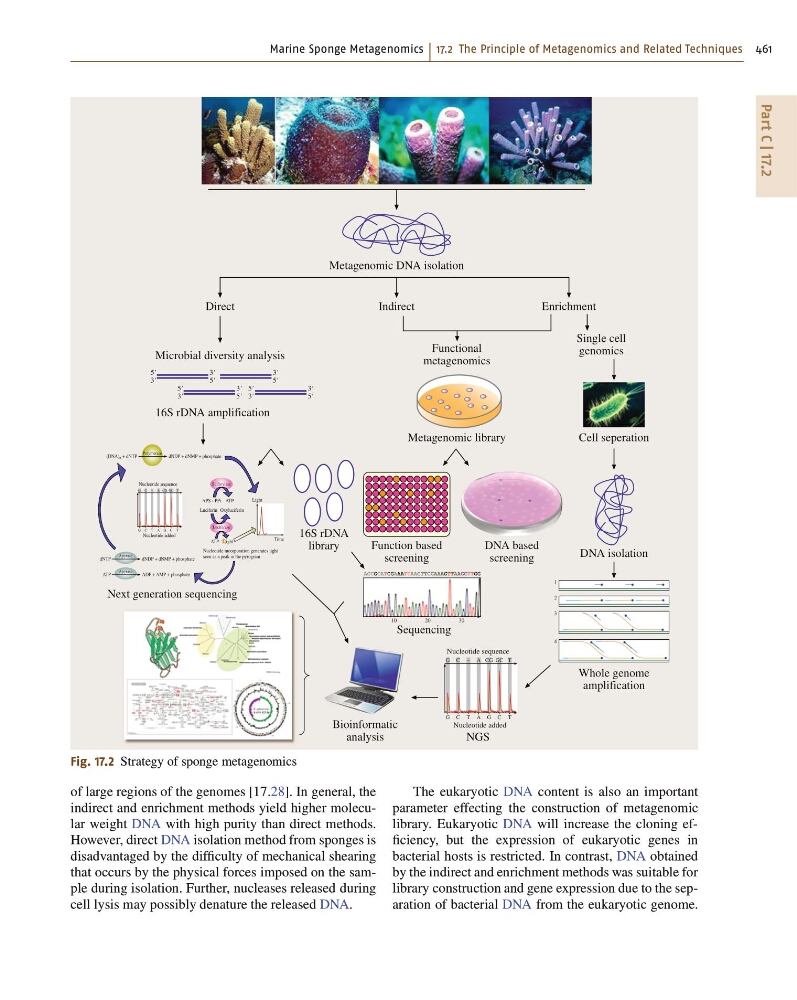
Fig. 17.2 Strategy of sponge metagenomics
of large regions of the genomes [17.28]. In general, the
indirect and enrichment methods yield higher molecular weight DNA with high purity than direct methods.
However, direct DNA isolation method from sponges is
disadvantaged by the difficulty of mechanical shearing
that occurs by the physical forces imposed on the sample during isolation. Further, nucleases released during
cell lysis may possibly denature the released DNA.
The eukaryotic DNA content is also an important
parameter effecting the construction of metagenomic
library. Eukaryotic DNA will increase the cloning efficiency, but the expression of eukaryotic genes in
bacterial hosts is restricted. In contrast, DNA obtained
by the indirect and enrichment methods was suitable for
library construction and gene expression due to the separation of bacterial DNA from the eukaryotic genome.
Part C | 17.2
Metagenomic DNA isolation
Indirect
Enrichment
Direct
Microbial diversity analysis
16S rDNA amplification
16S rDNA
library
Function based
screening
Sequencing
DNA based
screening
Next generation sequencing
Bioinformatic
analysis
NGS
Whole genome
amplification
Cell seperation
DNA isolation
Metagenomic library
Functional
metagenomics
Single cell
genomics
5'
3'
3'
5'
3'
5'
5'
3'
5'
3'
3'
5'
3'
5'
Nucleotide added
Nucleotide sequence
Nucleotide added
Fig. 17.2 Strategy of sponge metagenomics
of large regions of the genomes [17.28]. In general, the
indirect and enrichment methods yield higher molecular weight DNA with high purity than direct methods.
However, direct DNA isolation method from sponges is
disadvantaged by the difficulty of mechanical shearing
that occurs by the physical forces imposed on the sample during isolation. Further, nucleases released during
cell lysis may possibly denature the released DNA.
The eukaryotic DNA content is also an important
parameter effecting the construction of metagenomic
library. Eukaryotic DNA will increase the cloning efficiency, but the expression of eukaryotic genes in
bacterial hosts is restricted. In contrast, DNA obtained
by the indirect and enrichment methods was suitable for
library construction and gene expression due to the separation of bacterial DNA from the eukaryotic genome.