

Part B | 11.2
308 Part B Tools and Methods in Marine Biotechnology
11.2 Marine Microbial Habitats
and Their Biotechnologically-Relevant Microorganisms
The marine environment covers more than 70% of the
Earth’s surface and contains 97:5% of the water of our
planet. Marine habitats contain a rich variety of distinctive life forms, the majority of them represented
by microorganisms. Salinity is the major environmental determinant of microbial community composition,
clearly distinguishing marine habitats from terrestrial
ones [11.5]. Moreover, marine sediments constitute the
most phylogenetically diverse environments on Earth,
in contrast with soil, which bears high species-level
diversity but has below-average phylogenetic diversity [11.5]. Marine microorganisms are progressively
recognized as a promising source of biotechnologically
valuable products and capabilities. Over the last years,
many biomolecules with unique structural features and
unique molecular mode of action have been identified
in marine environments [11.6]. However, many marine microbial habitats still remain largely unexplored,
understudied, and underexploited in comparison with
terrestrial ecosystems and organisms.
Through billions of years of evolution, marine microorganisms have developed unique metabolic and
physiological capabilities to thrive in a variety of marine habitats. In fact, oceans include the greatest extremes of temperature, light, and pressure encountered
by life [11.7]. In recent years, marine microorganisms
living under extreme conditions have been the focus of
Value
chain
Preliminary
data
Site selection
Sampling
Sample transport and preservation
Screening for desired attributes
Development of commercial products or services
Toolbox
Toolbox
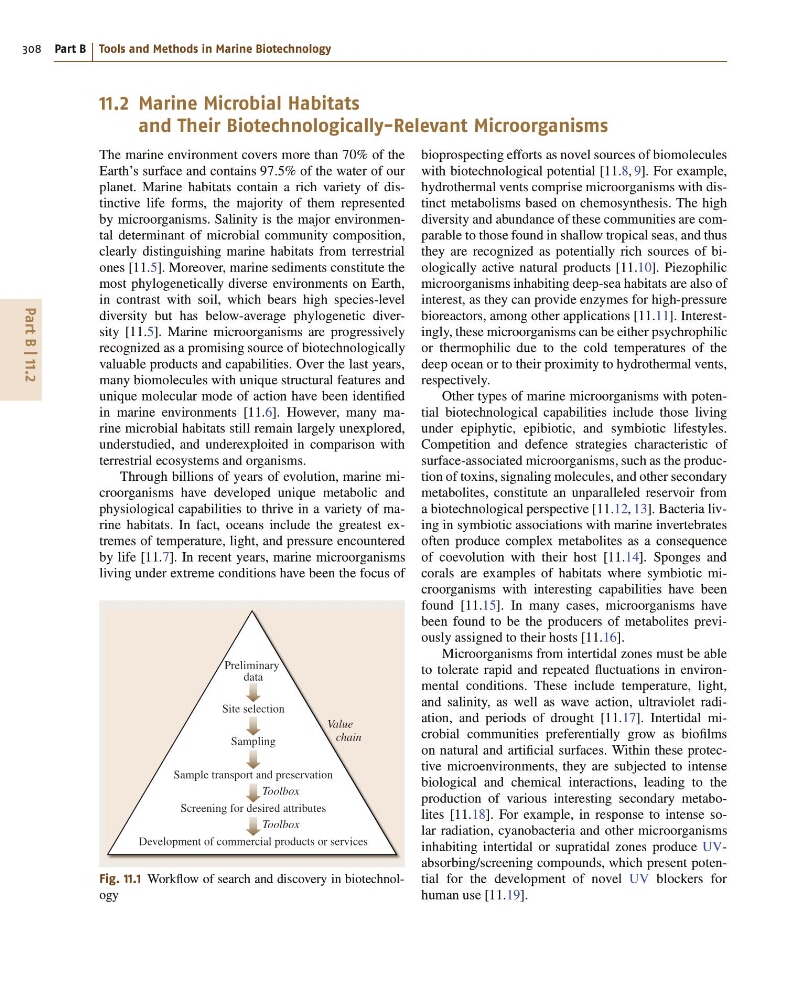
Fig. 11.1 Workflow of search and discovery in biotechnology
bioprospecting efforts as novel sources of biomolecules
with biotechnological potential [11.8, 9]. For example,
hydrothermal vents comprise microorganisms with distinct metabolisms based on chemosynthesis. The high
diversity and abundance of these communities are comparable to those found in shallow tropical seas, and thus
they are recognized as potentially rich sources of biologically active natural products [11.10]. Piezophilic
microorganisms inhabiting deep-sea habitats are also of
interest, as they can provide enzymes for high-pressure
bioreactors, among other applications [11.11]. Interestingly, these microorganisms can be either psychrophilic
or thermophilic due to the cold temperatures of the
deep ocean or to their proximity to hydrothermal vents,
respectively.
Other types of marine microorganisms with potential biotechnological capabilities include those living
under epiphytic, epibiotic, and symbiotic lifestyles.
Competition and defence strategies characteristic of
surface-associated microorganisms, such as the production of toxins, signaling molecules, and other secondary
metabolites, constitute an unparalleled reservoir from
a biotechnological perspective [11.12, 13]. Bacteria living in symbiotic associations with marine invertebrates
often produce complex metabolites as a consequence
of coevolution with their host [11.14]. Sponges and
corals are examples of habitats where symbiotic microorganisms with interesting capabilities have been
found [11.15]. In many cases, microorganisms have
been found to be the producers of metabolites previously assigned to their hosts [11.16].
Microorganisms from intertidal zones must be able
to tolerate rapid and repeated fluctuations in environmental conditions. These include temperature, light,
and salinity, as well as wave action, ultraviolet radiation, and periods of drought [11.17]. Intertidal microbial communities preferentially grow as biofilms
on natural and artificial surfaces. Within these protective microenvironments, they are subjected to intense
biological and chemical interactions, leading to the
production of various interesting secondary metabolites [11.18]. For example, in response to intense solar radiation, cyanobacteria and other microorganisms
inhabiting intertidal or supratidal zones produce UVabsorbing/screening compounds, which present potential for the development of novel UV blockers for
human use [11.19].
308 Part B Tools and Methods in Marine Biotechnology
11.2 Marine Microbial Habitats
and Their Biotechnologically-Relevant Microorganisms
The marine environment covers more than 70% of the
Earth’s surface and contains 97:5% of the water of our
planet. Marine habitats contain a rich variety of distinctive life forms, the majority of them represented
by microorganisms. Salinity is the major environmental determinant of microbial community composition,
clearly distinguishing marine habitats from terrestrial
ones [11.5]. Moreover, marine sediments constitute the
most phylogenetically diverse environments on Earth,
in contrast with soil, which bears high species-level
diversity but has below-average phylogenetic diversity [11.5]. Marine microorganisms are progressively
recognized as a promising source of biotechnologically
valuable products and capabilities. Over the last years,
many biomolecules with unique structural features and
unique molecular mode of action have been identified
in marine environments [11.6]. However, many marine microbial habitats still remain largely unexplored,
understudied, and underexploited in comparison with
terrestrial ecosystems and organisms.
Through billions of years of evolution, marine microorganisms have developed unique metabolic and
physiological capabilities to thrive in a variety of marine habitats. In fact, oceans include the greatest extremes of temperature, light, and pressure encountered
by life [11.7]. In recent years, marine microorganisms
living under extreme conditions have been the focus of
Value
chain
Preliminary
data
Site selection
Sampling
Sample transport and preservation
Screening for desired attributes
Development of commercial products or services
Toolbox
Toolbox
Fig. 11.1 Workflow of search and discovery in biotechnology
bioprospecting efforts as novel sources of biomolecules
with biotechnological potential [11.8, 9]. For example,
hydrothermal vents comprise microorganisms with distinct metabolisms based on chemosynthesis. The high
diversity and abundance of these communities are comparable to those found in shallow tropical seas, and thus
they are recognized as potentially rich sources of biologically active natural products [11.10]. Piezophilic
microorganisms inhabiting deep-sea habitats are also of
interest, as they can provide enzymes for high-pressure
bioreactors, among other applications [11.11]. Interestingly, these microorganisms can be either psychrophilic
or thermophilic due to the cold temperatures of the
deep ocean or to their proximity to hydrothermal vents,
respectively.
Other types of marine microorganisms with potential biotechnological capabilities include those living
under epiphytic, epibiotic, and symbiotic lifestyles.
Competition and defence strategies characteristic of
surface-associated microorganisms, such as the production of toxins, signaling molecules, and other secondary
metabolites, constitute an unparalleled reservoir from
a biotechnological perspective [11.12, 13]. Bacteria living in symbiotic associations with marine invertebrates
often produce complex metabolites as a consequence
of coevolution with their host [11.14]. Sponges and
corals are examples of habitats where symbiotic microorganisms with interesting capabilities have been
found [11.15]. In many cases, microorganisms have
been found to be the producers of metabolites previously assigned to their hosts [11.16].
Microorganisms from intertidal zones must be able
to tolerate rapid and repeated fluctuations in environmental conditions. These include temperature, light,
and salinity, as well as wave action, ultraviolet radiation, and periods of drought [11.17]. Intertidal microbial communities preferentially grow as biofilms
on natural and artificial surfaces. Within these protective microenvironments, they are subjected to intense
biological and chemical interactions, leading to the
production of various interesting secondary metabolites [11.18]. For example, in response to intense solar radiation, cyanobacteria and other microorganisms
inhabiting intertidal or supratidal zones produce UVabsorbing/screening compounds, which present potential for the development of novel UV blockers for
human use [11.19].