

Part A | 7.2
188 Part A Marine Flora and Fauna
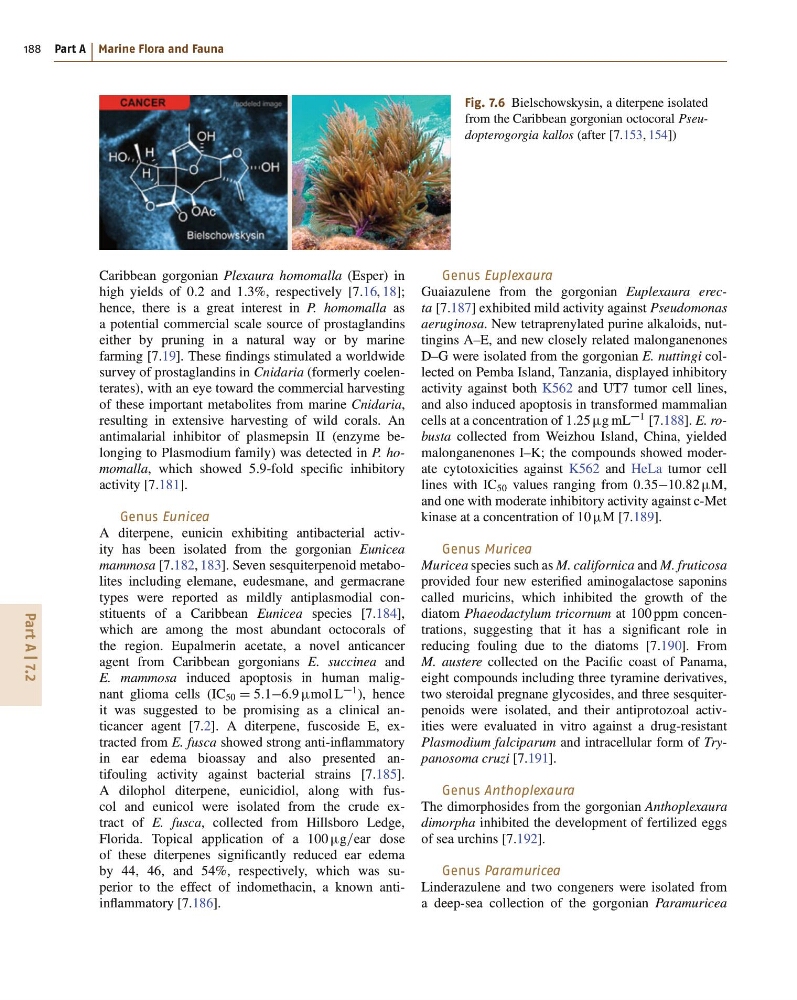
Fig. 7.6 Bielschowskysin, a diterpene isolated
from the Caribbean gorgonian octocoral Pseudopterogorgia kallos (after [7.153, 154])
Caribbean gorgonian Plexaura homomalla (Esper) in
high yields of 0:2 and 1:3%, respectively [7.16, 18];
hence, there is a great interest in P. homomalla as
a potential commercial scale source of prostaglandins
either by pruning in a natural way or by marine
farming [7.19]. These findings stimulated a worldwide
survey of prostaglandins in Cnidaria (formerly coelenterates), with an eye toward the commercial harvesting
of these important metabolites from marine Cnidaria,
resulting in extensive harvesting of wild corals. An
antimalarial inhibitor of plasmepsin II (enzyme belonging to Plasmodium family) was detected in P. homomalla, which showed 5.9-fold specific inhibitory
activity [7.181].
Genus Eunicea
A diterpene, eunicin exhibiting antibacterial activity has been isolated from the gorgonian Eunicea
mammosa [7.182, 183]. Seven sesquiterpenoid metabolites including elemane, eudesmane, and germacrane
types were reported as mildly antiplasmodial constituents of a Caribbean Eunicea species [7.184],
which are among the most abundant octocorals of
the region. Eupalmerin acetate, a novel anticancer
agent from Caribbean gorgonians E. succinea and
E. mammosa induced apoptosis in human malignant glioma cells (IC 50 D 5:16:9 mol L
1 ), hence
it was suggested to be promising as a clinical anticancer agent [7.2]. A diterpene, fuscoside E, extracted from E. fusca showed strong anti-inflammatory
in ear edema bioassay and also presented antifouling activity against bacterial strains [7.185].
A dilophol diterpene, eunicidiol, along with fuscol and eunicol were isolated from the crude extract of E. fusca, collected from Hillsboro Ledge,
Florida. Topical application of a 100 g=ear dose
of these diterpenes significantly reduced ear edema
by 44, 46, and 54%, respectively, which was superior to the effect of indomethacin, a known antiinflammatory [7.186].
Genus Euplexaura
Guaiazulene from the gorgonian Euplexaura erecta [7.187] exhibited mild activity against Pseudomonas
aeruginosa. New tetraprenylated purine alkaloids, nuttingins A–E, and new closely related malonganenones
D–G were isolated from the gorgonian E. nuttingi collected on Pemba Island, Tanzania, displayed inhibitory
activity against both K562 and UT7 tumor cell lines,
and also induced apoptosis in transformed mammalian
cells at a concentration of 1:25 g mL
1 [7.188]. E. robusta collected from Weizhou Island, China, yielded
malonganenones I–K; the compounds showed moderate cytotoxicities against K562 and HeLa tumor cell
lines with IC 50 values ranging from 0:3510:82 M,
and one with moderate inhibitory activity against c-Met
kinase at a concentration of 10 M [7.189].
Genus Muricea
Muricea species such as M. californica and M. fruticosa
provided four new esterified aminogalactose saponins
called muricins, which inhibited the growth of the
diatom Phaeodactylum tricornum at 100 ppm concentrations, suggesting that it has a significant role in
reducing fouling due to the diatoms [7.190]. From
M. austere collected on the Pacific coast of Panama,
eight compounds including three tyramine derivatives,
two steroidal pregnane glycosides, and three sesquiterpenoids were isolated, and their antiprotozoal activities were evaluated in vitro against a drug-resistant
Plasmodium falciparum and intracellular form of Trypanosoma cruzi [7.191].
Genus Anthoplexaura
The dimorphosides from the gorgonian Anthoplexaura
dimorpha inhibited the development of fertilized eggs
of sea urchins [7.192].
Genus Paramuricea
Linderazulene and two congeners were isolated from
a deep-sea collection of the gorgonian Paramuricea
188 Part A Marine Flora and Fauna
Fig. 7.6 Bielschowskysin, a diterpene isolated
from the Caribbean gorgonian octocoral Pseudopterogorgia kallos (after [7.153, 154])
Caribbean gorgonian Plexaura homomalla (Esper) in
high yields of 0:2 and 1:3%, respectively [7.16, 18];
hence, there is a great interest in P. homomalla as
a potential commercial scale source of prostaglandins
either by pruning in a natural way or by marine
farming [7.19]. These findings stimulated a worldwide
survey of prostaglandins in Cnidaria (formerly coelenterates), with an eye toward the commercial harvesting
of these important metabolites from marine Cnidaria,
resulting in extensive harvesting of wild corals. An
antimalarial inhibitor of plasmepsin II (enzyme belonging to Plasmodium family) was detected in P. homomalla, which showed 5.9-fold specific inhibitory
activity [7.181].
Genus Eunicea
A diterpene, eunicin exhibiting antibacterial activity has been isolated from the gorgonian Eunicea
mammosa [7.182, 183]. Seven sesquiterpenoid metabolites including elemane, eudesmane, and germacrane
types were reported as mildly antiplasmodial constituents of a Caribbean Eunicea species [7.184],
which are among the most abundant octocorals of
the region. Eupalmerin acetate, a novel anticancer
agent from Caribbean gorgonians E. succinea and
E. mammosa induced apoptosis in human malignant glioma cells (IC 50 D 5:16:9 mol L
1 ), hence
it was suggested to be promising as a clinical anticancer agent [7.2]. A diterpene, fuscoside E, extracted from E. fusca showed strong anti-inflammatory
in ear edema bioassay and also presented antifouling activity against bacterial strains [7.185].
A dilophol diterpene, eunicidiol, along with fuscol and eunicol were isolated from the crude extract of E. fusca, collected from Hillsboro Ledge,
Florida. Topical application of a 100 g=ear dose
of these diterpenes significantly reduced ear edema
by 44, 46, and 54%, respectively, which was superior to the effect of indomethacin, a known antiinflammatory [7.186].
Genus Euplexaura
Guaiazulene from the gorgonian Euplexaura erecta [7.187] exhibited mild activity against Pseudomonas
aeruginosa. New tetraprenylated purine alkaloids, nuttingins A–E, and new closely related malonganenones
D–G were isolated from the gorgonian E. nuttingi collected on Pemba Island, Tanzania, displayed inhibitory
activity against both K562 and UT7 tumor cell lines,
and also induced apoptosis in transformed mammalian
cells at a concentration of 1:25 g mL
1 [7.188]. E. robusta collected from Weizhou Island, China, yielded
malonganenones I–K; the compounds showed moderate cytotoxicities against K562 and HeLa tumor cell
lines with IC 50 values ranging from 0:3510:82 M,
and one with moderate inhibitory activity against c-Met
kinase at a concentration of 10 M [7.189].
Genus Muricea
Muricea species such as M. californica and M. fruticosa
provided four new esterified aminogalactose saponins
called muricins, which inhibited the growth of the
diatom Phaeodactylum tricornum at 100 ppm concentrations, suggesting that it has a significant role in
reducing fouling due to the diatoms [7.190]. From
M. austere collected on the Pacific coast of Panama,
eight compounds including three tyramine derivatives,
two steroidal pregnane glycosides, and three sesquiterpenoids were isolated, and their antiprotozoal activities were evaluated in vitro against a drug-resistant
Plasmodium falciparum and intracellular form of Trypanosoma cruzi [7.191].
Genus Anthoplexaura
The dimorphosides from the gorgonian Anthoplexaura
dimorpha inhibited the development of fertilized eggs
of sea urchins [7.192].
Genus Paramuricea
Linderazulene and two congeners were isolated from
a deep-sea collection of the gorgonian Paramuricea