

Part A | 6.3
68 Part A Marine Flora and Fauna
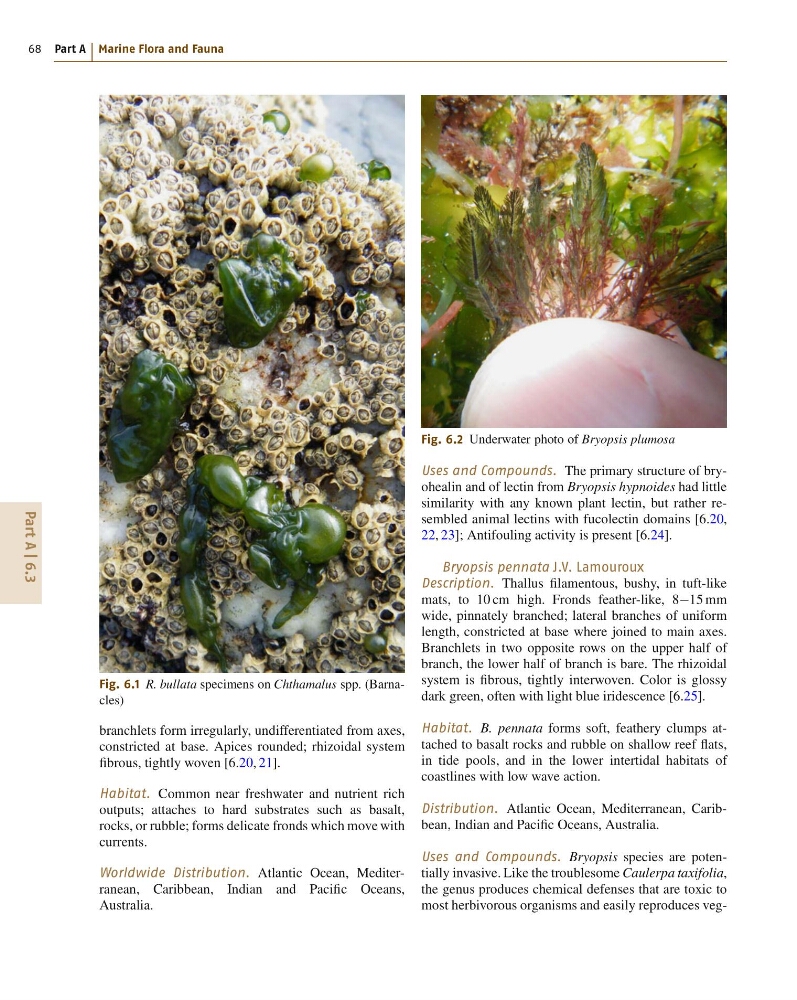
Fig. 6.1 R. bullata specimens on Chthamalus spp. (Barnacles)
branchlets form irregularly, undifferentiated from axes,
constricted at base. Apices rounded; rhizoidal system
fibrous, tightly woven [6.20, 21].
Habitat. Common near freshwater and nutrient rich
outputs; attaches to hard substrates such as basalt,
rocks, or rubble; forms delicate fronds which move with
currents.
Worldwide Distribution. Atlantic Ocean, Mediterranean, Caribbean, Indian and Pacific Oceans,
Australia.
Fig. 6.2 Underwater photo of Bryopsis plumosa
Uses and Compounds. The primary structure of bryohealin and of lectin from Bryopsis hypnoides had little
similarity with any known plant lectin, but rather resembled animal lectins with fucolectin domains [6.20,
22, 23]; Antifouling activity is present [6.24].
Bryopsis pennata J.V. Lamouroux
Description. Thallus filamentous, bushy, in tuft-like
mats, to 10 cm high. Fronds feather-like, 815 mm
wide, pinnately branched; lateral branches of uniform
length, constricted at base where joined to main axes.
Branchlets in two opposite rows on the upper half of
branch, the lower half of branch is bare. The rhizoidal
system is fibrous, tightly interwoven. Color is glossy
dark green, often with light blue iridescence [6.25].
Habitat. B. pennata forms soft, feathery clumps attached to basalt rocks and rubble on shallow reef flats,
in tide pools, and in the lower intertidal habitats of
coastlines with low wave action.
Distribution. Atlantic Ocean, Mediterranean, Caribbean, Indian and Pacific Oceans, Australia.
Uses and Compounds. Bryopsis species are potentially invasive. Like the troublesome Caulerpa taxifolia,
the genus produces chemical defenses that are toxic to
most herbivorous organisms and easily reproduces veg-
68 Part A Marine Flora and Fauna
Fig. 6.1 R. bullata specimens on Chthamalus spp. (Barnacles)
branchlets form irregularly, undifferentiated from axes,
constricted at base. Apices rounded; rhizoidal system
fibrous, tightly woven [6.20, 21].
Habitat. Common near freshwater and nutrient rich
outputs; attaches to hard substrates such as basalt,
rocks, or rubble; forms delicate fronds which move with
currents.
Worldwide Distribution. Atlantic Ocean, Mediterranean, Caribbean, Indian and Pacific Oceans,
Australia.
Fig. 6.2 Underwater photo of Bryopsis plumosa
Uses and Compounds. The primary structure of bryohealin and of lectin from Bryopsis hypnoides had little
similarity with any known plant lectin, but rather resembled animal lectins with fucolectin domains [6.20,
22, 23]; Antifouling activity is present [6.24].
Bryopsis pennata J.V. Lamouroux
Description. Thallus filamentous, bushy, in tuft-like
mats, to 10 cm high. Fronds feather-like, 815 mm
wide, pinnately branched; lateral branches of uniform
length, constricted at base where joined to main axes.
Branchlets in two opposite rows on the upper half of
branch, the lower half of branch is bare. The rhizoidal
system is fibrous, tightly interwoven. Color is glossy
dark green, often with light blue iridescence [6.25].
Habitat. B. pennata forms soft, feathery clumps attached to basalt rocks and rubble on shallow reef flats,
in tide pools, and in the lower intertidal habitats of
coastlines with low wave action.
Distribution. Atlantic Ocean, Mediterranean, Caribbean, Indian and Pacific Oceans, Australia.
Uses and Compounds. Bryopsis species are potentially invasive. Like the troublesome Caulerpa taxifolia,
the genus produces chemical defenses that are toxic to
most herbivorous organisms and easily reproduces veg-