

739
Indeed, the water characteristics of the salt pools in the restoration cells reflect the
lower surrounding elevation and more frequent flushing by the ocean, with salinities, pH and dissolved oxygen being closer to oceanic values as well as less temporally variable than salt pools in the reference marshes (Table 21.3). Also, the pool
vegetation (green algae and ditch grass Ruppia maritima) is still very sparse in the
restoration cells, thus providing little microhabitat compared to the salt pools in the
restoration marshes (Dykstra 2015; see also Fig. 21.18b–d). The bottom of the salt
pools in the restoration cells has less compact sediments (as measured by sediment
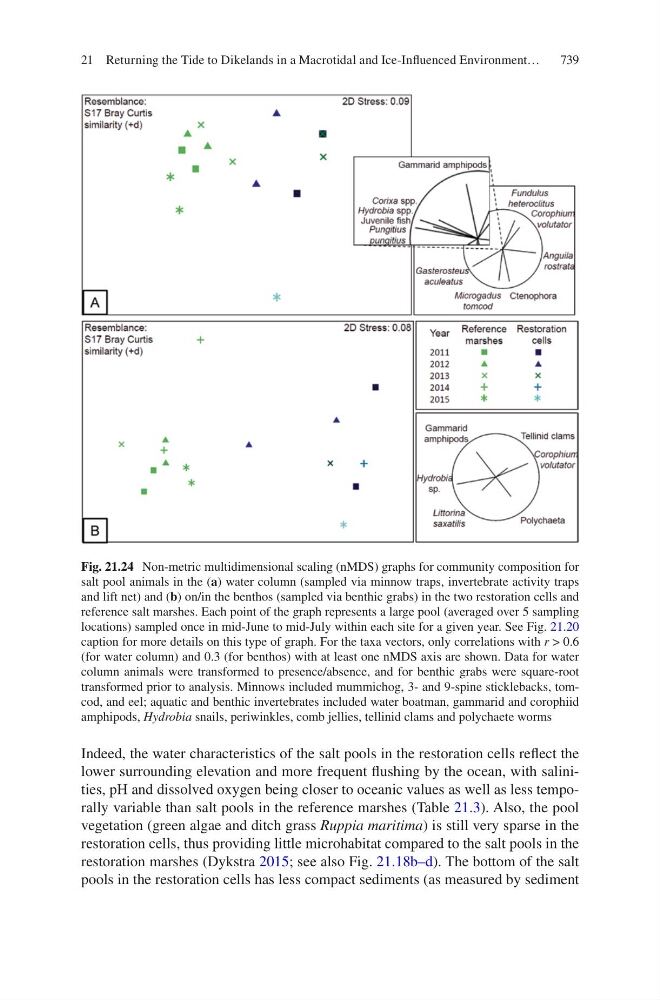
Fig. 21.24 Non-metric multidimensional scaling (nMDS) graphs for community composition for
salt pool animals in the (a) water column (sampled via minnow traps, invertebrate activity traps
and lift net) and (b) on/in the benthos (sampled via benthic grabs) in the two restoration cells and
reference salt marshes. Each point of the graph represents a large pool (averaged over 5 sampling
locations) sampled once in mid-June to mid-July within each site for a given year. See Fig. 21.20
caption for more details on this type of graph. For the taxa vectors, only correlations with r > 0.6
(for water column) and 0.3 (for benthos) with at least one nMDS axis are shown. Data for water
column animals were transformed to presence/absence, and for benthic grabs were square-root
transformed prior to analysis. Minnows included mummichog, 3- and 9-spine sticklebacks, tomcod, and eel; aquatic and benthic invertebrates included water boatman, gammarid and corophiid
amphipods, Hydrobia snails, periwinkles, comb jellies, tellinid clams and polychaete worms
21 Returning the Tide to Dikelands in a Macrotidal and Ice-Influenced Environment…