

707
the Atlantic coast of North America (Redfield 1972; Bertness 2007), grows to a relatively small size in the Bay of Fundy. Spartina alterniflora plants on the exposed
marsh edge grow to 30 cm in height by August/September. This is much less than
those growing along protected creeks, which can reach 90 cm plant height, or in salt
marshes along the nearby Northumberland Strait, where tidal amplitudes are only
1–2 m. In a study that specifically compared S. alterniflora growing in the Bay of
Fundy and in the Northumberland Strait, Baerlocher and Moulton (1999) suggested
mechanical fragmentation, leading to mass loss in apical sections of leaves as well
as whole leaves, as an underlying mechanism for smaller plants. This effect on
plants in the Bay of Fundy is mentioned as a relevant example of the various and
often cryptic effects of the macrotidal environment.
21.1.2 Historical Context
Salt marshes in the Bay of Fundy have a long history of human use and manipulation (Hatvany 2003; Mount Allison University Archives 2004). Indigenous peoples
harvested plants and animals from salt marshes for at least 5000 years prior to
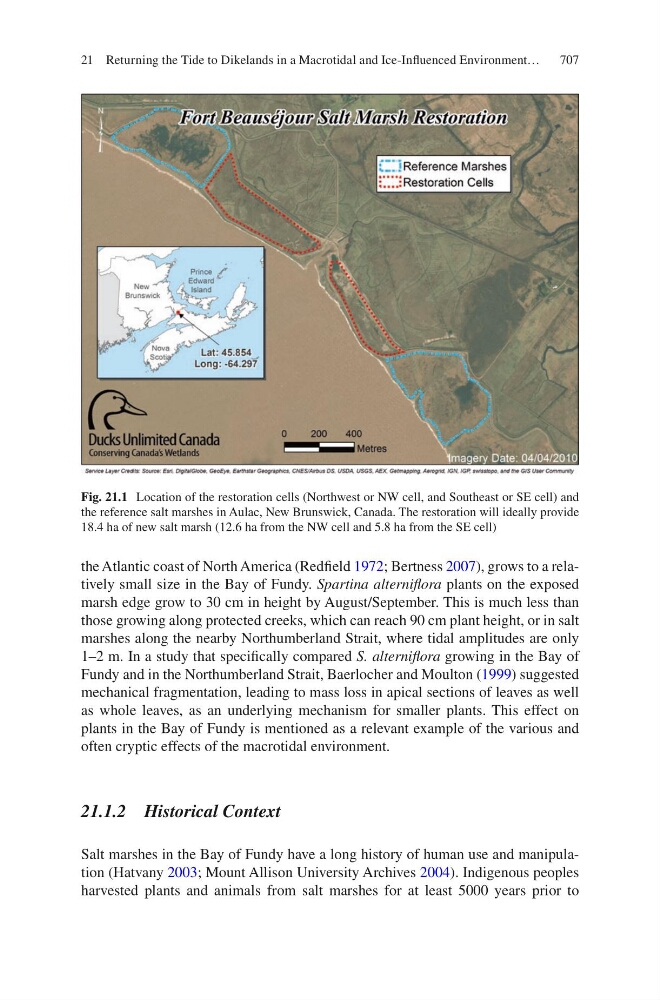
Fig. 21.1 Location of the restoration cells (Northwest or NW cell, and Southeast or SE cell) and
the reference salt marshes in Aulac, New Brunswick, Canada. The restoration will ideally provide
18.4 ha of new salt marsh (12.6 ha from the NW cell and 5.8 ha from the SE cell)
21 Returning the Tide to Dikelands in a Macrotidal and Ice-Influenced Environment…