

447
defined by the Ramsar Convention for the conservation and sustainable utilization
of wetlands. It is home to more than 20,000 waterfowls – the third largest such
population in India. It is also an ideal habitat for shrimps. Major livelihood activities
of the people living on the shores of the lake include agriculture, fishing, tourism,
inland navigation, coir retting, lime shell collection. The uncontrolled mining of
shells from the lake bed is also posing a threat to the eco-system. The sewage effluents and the heavy load of organic material released from the neighboring areas
including a medical college at Alappuzha is let into the water and are responsible for
the decrease in dissolved oxygen content in the water in the water body.
The major threat to fishes of Vembanad is habitat alteration due to changes in
waterscape. Thousands of hectares of the waterbody had been converted to land
over past 150 years. According to one study, 23,000 ha of the lake had reclaimed
between 1834 and 1984, mainly for agriculture and aquaculture. The depth of the
lagoon has reduced by 40–50% in all zones and as a result the drainage capacity of
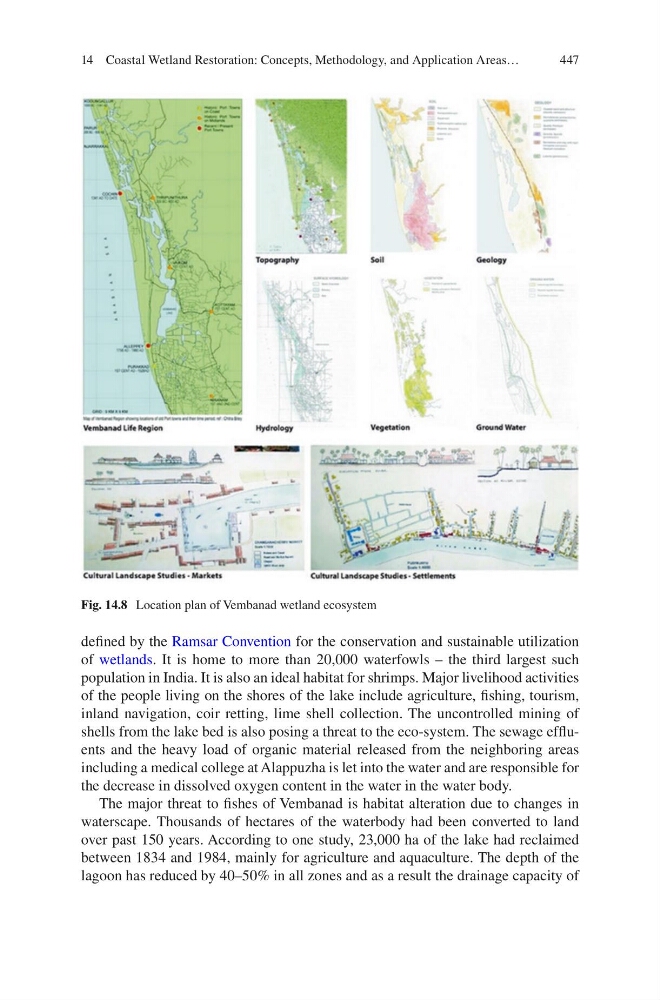
Fig. 14.8 Location plan of Vembanad wetland ecosystem
14 Coastal Wetland Restoration: Concepts, Methodology, and Application Areas…
defined by the Ramsar Convention for the conservation and sustainable utilization
of wetlands. It is home to more than 20,000 waterfowls – the third largest such
population in India. It is also an ideal habitat for shrimps. Major livelihood activities
of the people living on the shores of the lake include agriculture, fishing, tourism,
inland navigation, coir retting, lime shell collection. The uncontrolled mining of
shells from the lake bed is also posing a threat to the eco-system. The sewage effluents and the heavy load of organic material released from the neighboring areas
including a medical college at Alappuzha is let into the water and are responsible for
the decrease in dissolved oxygen content in the water in the water body.
The major threat to fishes of Vembanad is habitat alteration due to changes in
waterscape. Thousands of hectares of the waterbody had been converted to land
over past 150 years. According to one study, 23,000 ha of the lake had reclaimed
between 1834 and 1984, mainly for agriculture and aquaculture. The depth of the
lagoon has reduced by 40–50% in all zones and as a result the drainage capacity of
Fig. 14.8 Location plan of Vembanad wetland ecosystem
14 Coastal Wetland Restoration: Concepts, Methodology, and Application Areas…