

146
T.-S. Chon . Y.S. Park' I.-S. Kwak . E.Y. Cha
0
I
2
3
4
5
6
7
8
YCK4-11
0
YIG4-9YJG4..10
YSC4-9
YSC4-11
I
YlG4-11 YCK4-9
YCK4-1O YSC4-1O
2
3
4
5
6
7
8
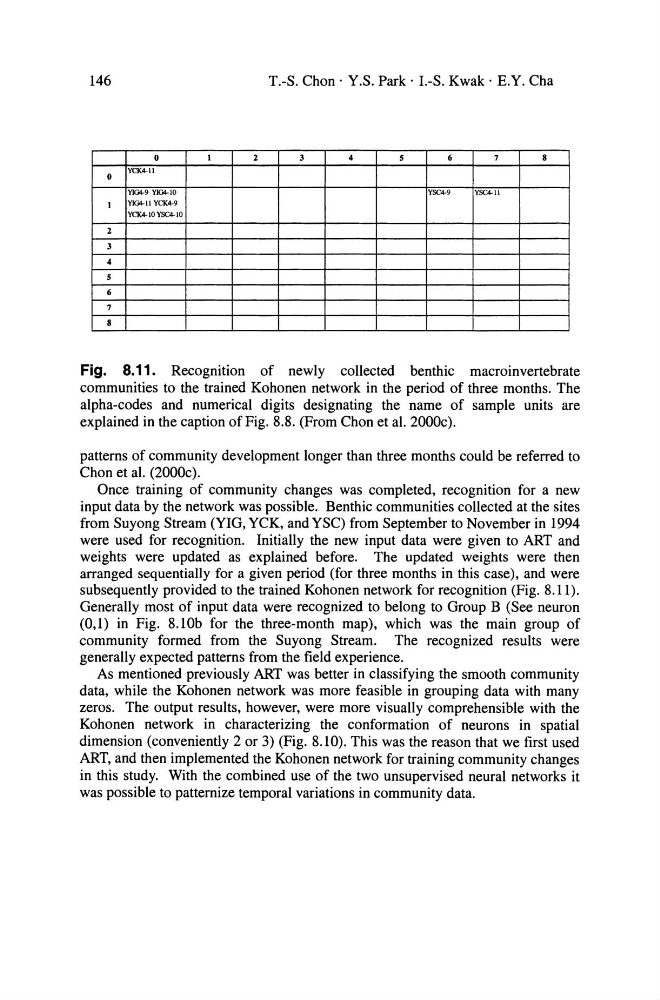
Fig. 8.11. Reeognition of newly eolleeted benthic maeroinvertebrate
eommunities to the trained Kohonen network in the period of three months. The
alpha-codes and numerieal digits designating the name of sampie units are
explained in the eaption of Fig. 8.8. (From Chon et al. 2000e).
patterns of eommunity development longer than three months eould be referred to
Chon et al. (2000e).
Onee training of eommunity ehanges was eompleted, reeognition for a new
input data by the network was possible. Benthic eommunities eolleeted at the sites
from Suyong Stream (YIG, YCK, and ysq from September to November in 1994
were used for reeognition. Initially the new input data were given to ART and
weights were updated as explained before. The updated weights were then
arranged sequentially for a given period (for three months in this ease), and were
subsequently provided to the trained Kohonen network for reeognition (Fig. 8.11).
Generally most of input data were reeognized to belong to Group B (See neuron
(0,1) in Fig. 8.lOb for the three-month map), whieh was the main group of
eommunity formed from the Suyong Stream. The recognized results were
generally expeeted patterns from the field experienee.
As mentioned previously ART was better in classifying the smooth eommunity
data, while the Kohonen network was more feasible in grouping data with many
zeros. The output results, however, were more visually eomprehensible with the
Kohonen network in eharaeterizing the eonformation of neurons in spatial
dimension (eonveniently 2 or 3) (Fig. 8.10). This was the reason that we first used
ART, and then implemented the Kohonen network for training eommunity ehanges
in this study. With the eombined use of the two unsupervised neural networks it
was possible to patternize temporal variations in eommunity data.
T.-S. Chon . Y.S. Park' I.-S. Kwak . E.Y. Cha
0
I
2
3
4
5
6
7
8
YCK4-11
0
YIG4-9YJG4..10
YSC4-9
YSC4-11
I
YlG4-11 YCK4-9
YCK4-1O YSC4-1O
2
3
4
5
6
7
8
Fig. 8.11. Reeognition of newly eolleeted benthic maeroinvertebrate
eommunities to the trained Kohonen network in the period of three months. The
alpha-codes and numerieal digits designating the name of sampie units are
explained in the eaption of Fig. 8.8. (From Chon et al. 2000e).
patterns of eommunity development longer than three months eould be referred to
Chon et al. (2000e).
Onee training of eommunity ehanges was eompleted, reeognition for a new
input data by the network was possible. Benthic eommunities eolleeted at the sites
from Suyong Stream (YIG, YCK, and ysq from September to November in 1994
were used for reeognition. Initially the new input data were given to ART and
weights were updated as explained before. The updated weights were then
arranged sequentially for a given period (for three months in this ease), and were
subsequently provided to the trained Kohonen network for reeognition (Fig. 8.11).
Generally most of input data were reeognized to belong to Group B (See neuron
(0,1) in Fig. 8.lOb for the three-month map), whieh was the main group of
eommunity formed from the Suyong Stream. The recognized results were
generally expeeted patterns from the field experienee.
As mentioned previously ART was better in classifying the smooth eommunity
data, while the Kohonen network was more feasible in grouping data with many
zeros. The output results, however, were more visually eomprehensible with the
Kohonen network in eharaeterizing the eonformation of neurons in spatial
dimension (eonveniently 2 or 3) (Fig. 8.10). This was the reason that we first used
ART, and then implemented the Kohonen network for training eommunity ehanges
in this study. With the eombined use of the two unsupervised neural networks it
was possible to patternize temporal variations in eommunity data.