

474
\
a common or related discipline. Another obvious
advantage is that the teams needed large data sets
that could be shared within the teams for various
analyses. A third important advantage was that each
team had its own constituency among the public.
The questions that arose from public discussion
were easily organized around the major themes.
Public involvement will be discussed in more detail in Section 32.2.3, but each team had a small
and intensely interested group of public commentators who related closely to the issues being addressed.
The most significant disadvantage of the technical organization used was that the teams did not
communicate well with each other. Consequently,
some opportunities for coordinated or integrated
analyses were not adequately exploited.
32.2.2 Communication Strategy
Eventually, more than 150 people were involved in
working on the assessment, representing 11 federal
agencies and three states. Cooperators from several
universities worked on parts of the assessment. A
large and diverse public constituency also became
involved, including the U.S. Congress. Communication, both internally and externally, became extremely important in the assessment process.
The communication process was challenging because nOne of the assessment workers were relocated for the project. The Forest Service had effective intraagency communication through the use
of the Data General network, but communication
outside the agency was much more difficult. Moreover, many agencies and the public do not maintain email addresses. Communication by FAX, telephone, express mail, and other means became an
essential part of getting the assessment accomplished. The real challenge was not so much how
Southern Appalachian Case Study
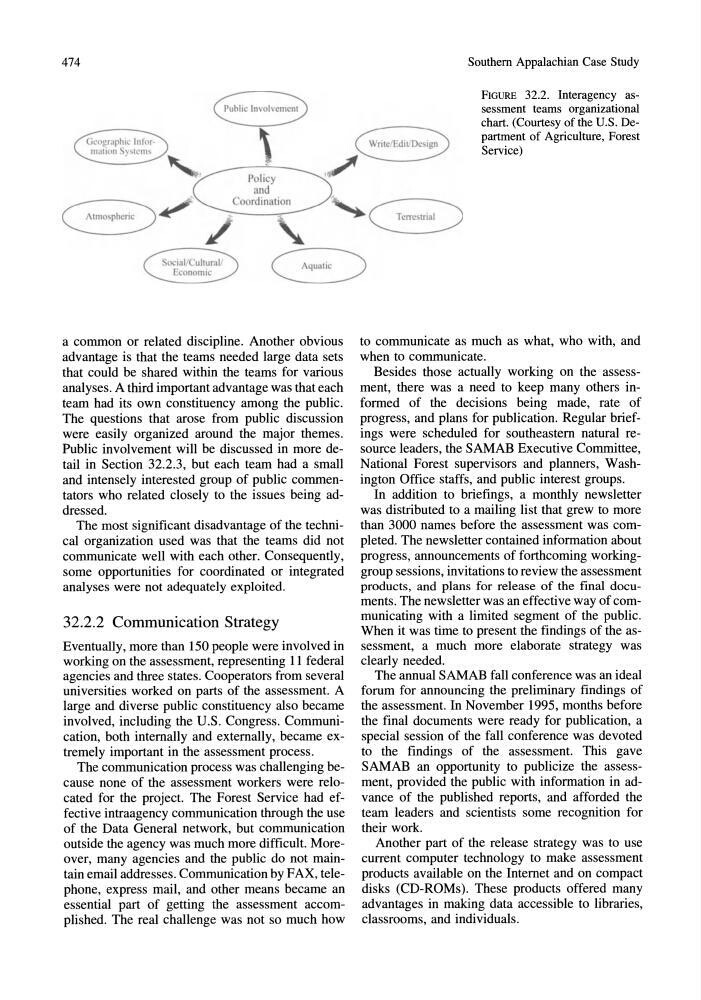
FIGURE 32.2. Interagency assessment teams organizational
chart. (Courtesy of the U.S. Department of Agriculture, Forest
Service)
to communicate as much as what, who with, and
when to communicate.
Besides those actually working on the assessment, there was a need to keep many others informed of the decisions being made, rate of
progress, and plans for publication. Regular briefings were scheduled for southeastern natural resource leaders, the SAMAB Executive Committee,
National Forest supervisors and planners, Washington Office staffs, and public interest groups.
In addition to briefings, a monthly newsletter
was distributed to a mailing list that grew to more
than 3000 names before the assessment was completed. The newsletter contained information about
progress, announcements of forthcoming workinggroup sessions, invitations to review the assessment
products, and plans for release of the final documents. The newsletter was an effective way of communicating with a limited segment of the public.
When it was time to present the findings of the assessment, a much more elaborate strategy was
clearly needed.
The annual SAMAB fall conference was an ideal
forum for announcing the preliminary findings of
the assessment. In November 1995, months before
the final documents were ready for publication, a
special session of the fall conference was devoted
to the findings of the assessment. This gave
SAMAB an opportunity to publicize the assessment, provided the public with information in advance of the published reports, and afforded the
team leaders and scientists some recognition for
their work.
Another part of the release strategy was to use
current computer technology to make assessment
products available on the Internet and on compact
disks (CD-ROMs). These products offered many
advantages in making data accessible to libraries,
classrooms, and individuals.
\
a common or related discipline. Another obvious
advantage is that the teams needed large data sets
that could be shared within the teams for various
analyses. A third important advantage was that each
team had its own constituency among the public.
The questions that arose from public discussion
were easily organized around the major themes.
Public involvement will be discussed in more detail in Section 32.2.3, but each team had a small
and intensely interested group of public commentators who related closely to the issues being addressed.
The most significant disadvantage of the technical organization used was that the teams did not
communicate well with each other. Consequently,
some opportunities for coordinated or integrated
analyses were not adequately exploited.
32.2.2 Communication Strategy
Eventually, more than 150 people were involved in
working on the assessment, representing 11 federal
agencies and three states. Cooperators from several
universities worked on parts of the assessment. A
large and diverse public constituency also became
involved, including the U.S. Congress. Communication, both internally and externally, became extremely important in the assessment process.
The communication process was challenging because nOne of the assessment workers were relocated for the project. The Forest Service had effective intraagency communication through the use
of the Data General network, but communication
outside the agency was much more difficult. Moreover, many agencies and the public do not maintain email addresses. Communication by FAX, telephone, express mail, and other means became an
essential part of getting the assessment accomplished. The real challenge was not so much how
Southern Appalachian Case Study
FIGURE 32.2. Interagency assessment teams organizational
chart. (Courtesy of the U.S. Department of Agriculture, Forest
Service)
to communicate as much as what, who with, and
when to communicate.
Besides those actually working on the assessment, there was a need to keep many others informed of the decisions being made, rate of
progress, and plans for publication. Regular briefings were scheduled for southeastern natural resource leaders, the SAMAB Executive Committee,
National Forest supervisors and planners, Washington Office staffs, and public interest groups.
In addition to briefings, a monthly newsletter
was distributed to a mailing list that grew to more
than 3000 names before the assessment was completed. The newsletter contained information about
progress, announcements of forthcoming workinggroup sessions, invitations to review the assessment
products, and plans for release of the final documents. The newsletter was an effective way of communicating with a limited segment of the public.
When it was time to present the findings of the assessment, a much more elaborate strategy was
clearly needed.
The annual SAMAB fall conference was an ideal
forum for announcing the preliminary findings of
the assessment. In November 1995, months before
the final documents were ready for publication, a
special session of the fall conference was devoted
to the findings of the assessment. This gave
SAMAB an opportunity to publicize the assessment, provided the public with information in advance of the published reports, and afforded the
team leaders and scientists some recognition for
their work.
Another part of the release strategy was to use
current computer technology to make assessment
products available on the Internet and on compact
disks (CD-ROMs). These products offered many
advantages in making data accessible to libraries,
classrooms, and individuals.