

468
Upper Mississippi River Adaptive Environmental Assessment
What are the
alternative paths?
Which ones do
we follow?
concern
Manage
adaptively
resilience
of ecological
processes
loading. Sediments tend to fill in the main channel,
creating constant dredging requirements. In the
shallow areas, wind and waves resuspend sediments. Habitat changes have been observed for a
suite of organisms, including many threatened and
endangered species. Changes in vegetation patterns
have ranged from shifts in the types of species that
are dominant to wholesale loss of vegetative community types. The reversal of these unwanted
changes is at the focus of ecological restoration in
the Upper Mississippi Basin.
The economic issues all dea1 with direct use and
modification of the river to meet human needs. A
key issue is the maintenance of a main channel for
commercial navigation. This involves channel
depth and how the depth changes over time due to
water control, hydrologic variation, and sedimentation. The management of sediments from dredging has large ecological and economic dimensions.
Another major issue that needs to be addressed is
the recreational use of the river and how management and other uses may constrain or provide opportunities for this purpose. Other significant human uses of the river, including public and
industrial water supplies and wastewater assimilation, also depend on the maintenance of adequate
water depth and quality.
31.5.3 Highlighting Uncertainties
Much of the January 1997 workshop focused on
defining and highlighting uncertainties surrounding
these management issues. The computer models
provided a focus for discussions by small groups,
each of which was assigned a set of topics. The
groups discussed possible management scenarios,
indicators and evaluators of scenarios, and gaps or
weaknesses in the models. Several broad areas of
uncertainty emerged from these discussions.
Questions
WHAT:
• Irreversibilities?
• Unpredictabilities?
• Options/flexibility?
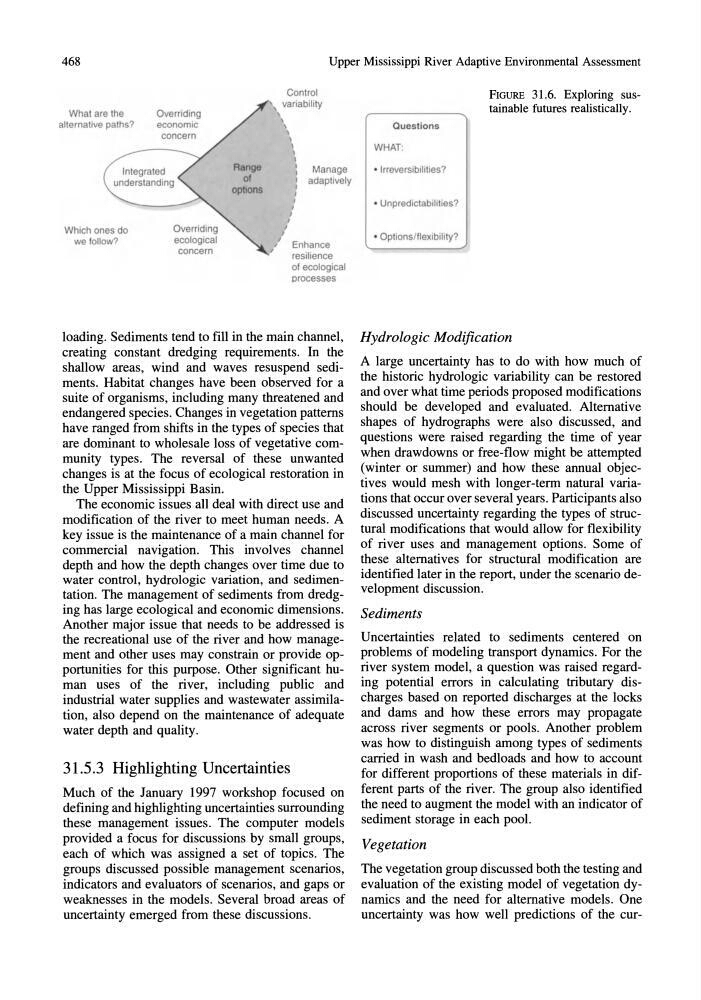
FIGURE 31.6. Exploring sustainable futures realistically.
Hydrologic Modification
A large uncertainty has to do with how much of
the historic hydrologic variability can be restored
and over what time periods proposed modifications
should be developed and evaluated. Altemative
shapes of hydrographs were also discussed, and
questions were raised regarding the time of year
when drawdowns or free-flow might be attempted
(winter or summer) and how these annual objectives would mesh with longer-term natural variations that occur over several years. Participants also
discussed uncertainty regarding the types of structural modifications that would allow for flexibility
of river uses and management options. Some of
these alternatives for structural modification are
identified later in the report, under the scenario development discussion.
Sediments
Uncertainties related to sediments centered on
problems of modeling transport dynamics. For the
river system model, a question was raised regarding potential errors in ca1culating tributary discharges based on reported discharges at the locks
and dams and how these errors may propagate
across river segments or pools. Another problem
was how to distinguish among types of sediments
carried in wash and bedloads and how to account
for different proportions of these materials in different parts of the river. The group also identified
the need to augment the model with an indicator of
sediment storage in each pool.
Vegetation
The vegetation group discussed both the testing and
evaluation of the existing model of vegetation dynamics and the need for alternative models. One
uncertainty was how well predictions of the cur-
Upper Mississippi River Adaptive Environmental Assessment
What are the
alternative paths?
Which ones do
we follow?
concern
Manage
adaptively
resilience
of ecological
processes
loading. Sediments tend to fill in the main channel,
creating constant dredging requirements. In the
shallow areas, wind and waves resuspend sediments. Habitat changes have been observed for a
suite of organisms, including many threatened and
endangered species. Changes in vegetation patterns
have ranged from shifts in the types of species that
are dominant to wholesale loss of vegetative community types. The reversal of these unwanted
changes is at the focus of ecological restoration in
the Upper Mississippi Basin.
The economic issues all dea1 with direct use and
modification of the river to meet human needs. A
key issue is the maintenance of a main channel for
commercial navigation. This involves channel
depth and how the depth changes over time due to
water control, hydrologic variation, and sedimentation. The management of sediments from dredging has large ecological and economic dimensions.
Another major issue that needs to be addressed is
the recreational use of the river and how management and other uses may constrain or provide opportunities for this purpose. Other significant human uses of the river, including public and
industrial water supplies and wastewater assimilation, also depend on the maintenance of adequate
water depth and quality.
31.5.3 Highlighting Uncertainties
Much of the January 1997 workshop focused on
defining and highlighting uncertainties surrounding
these management issues. The computer models
provided a focus for discussions by small groups,
each of which was assigned a set of topics. The
groups discussed possible management scenarios,
indicators and evaluators of scenarios, and gaps or
weaknesses in the models. Several broad areas of
uncertainty emerged from these discussions.
Questions
WHAT:
• Irreversibilities?
• Unpredictabilities?
• Options/flexibility?
FIGURE 31.6. Exploring sustainable futures realistically.
Hydrologic Modification
A large uncertainty has to do with how much of
the historic hydrologic variability can be restored
and over what time periods proposed modifications
should be developed and evaluated. Altemative
shapes of hydrographs were also discussed, and
questions were raised regarding the time of year
when drawdowns or free-flow might be attempted
(winter or summer) and how these annual objectives would mesh with longer-term natural variations that occur over several years. Participants also
discussed uncertainty regarding the types of structural modifications that would allow for flexibility
of river uses and management options. Some of
these alternatives for structural modification are
identified later in the report, under the scenario development discussion.
Sediments
Uncertainties related to sediments centered on
problems of modeling transport dynamics. For the
river system model, a question was raised regarding potential errors in ca1culating tributary discharges based on reported discharges at the locks
and dams and how these errors may propagate
across river segments or pools. Another problem
was how to distinguish among types of sediments
carried in wash and bedloads and how to account
for different proportions of these materials in different parts of the river. The group also identified
the need to augment the model with an indicator of
sediment storage in each pool.
Vegetation
The vegetation group discussed both the testing and
evaluation of the existing model of vegetation dynamics and the need for alternative models. One
uncertainty was how well predictions of the cur-