

378
Geomorphic Patterns, Processes, and Perspectives in Aquatic Assessment
COHESIVE MATERIALS
I NONCOHESIVE MATERIALS i=
f ( , . ~ ' < > "
"'1~
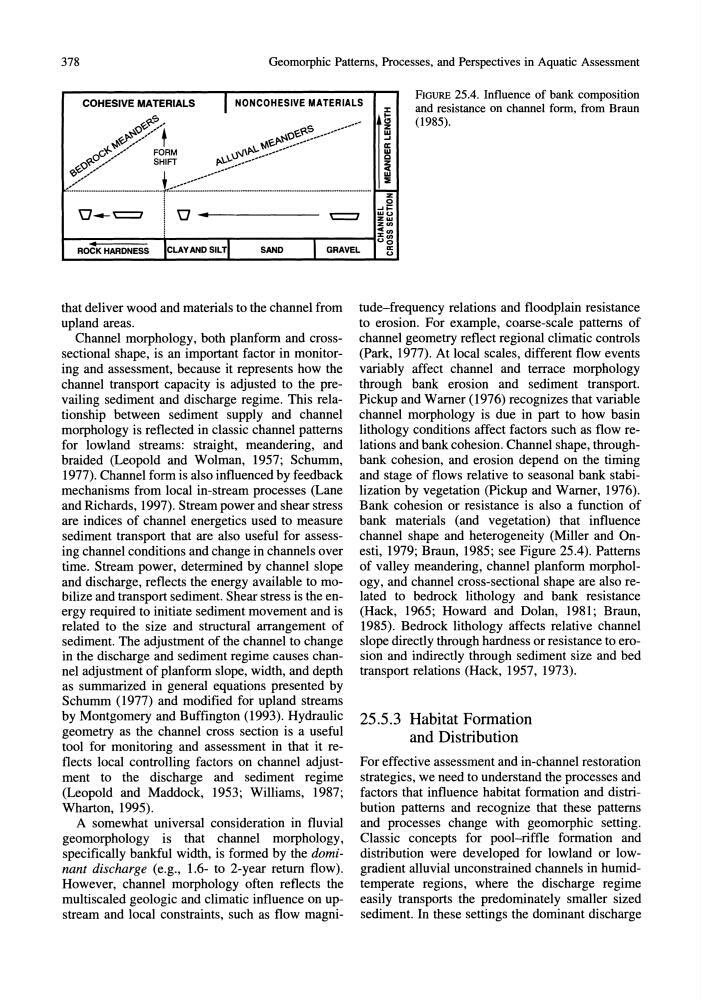
FIGURE 25.4. Influence of bank composition
and resistance on channel form, from Braun
(1985).
I !>.~Q",/ ,
~'Q'i;.~S , •• ,_.-•• ,
w
~v;-'"
T
\JI'i;.P-\' , •• --'
~
~--~t,~:~~:--------l
1
~~
D -- ...::::::=J ! D ..
...::::::=J
~ ~
:
Z0
:
~m
:
%0
ROC'K HARDNESS
\CLAY AND SILT\
SAND
1 GRAVEL <.J ~
that deliver wood and materials to the channel from
upland areas.
Channel morphology, both planform and crosssectional shape, is an important factor in monitoring and assessment, because it represents how the
channel transport capacity is adjusted to the prevailing sediment and discharge regime. This relationship between sediment supply and channel
morphology is reflected in classic channel patterns
for lowland streams: straight, meandering, and
braided (Leopold and Wolman, 1957; Schumm,
1977). Channel form is also influenced by feedback
mechanisms from local in-stream processes (Lane
and Richards, 1997). Stream power and shear stress
are indices of channel energetics used to measure
sediment transport that are also useful for assessing channel conditions and change in channels over
time. Stream power, determined by channel slope
and discharge, reflects the energy available to mobilize and transport sediment. Shear stress is the energy required to initiate sediment movement and is
related to the size and structural arrangement of
sediment. The adjustment of the channel to change
in the discharge and sediment regime causes channel adjustment of planform slope, width, and depth
as summarized in general equations presented by
Schumm (1977) and modified for upland streams
by Montgomery and Buffington (1993). Hydraulic
geometry as the channel cross section is a useful
tool for monitoring and assessment in that it reflects local controlling factors on channel adjustment to the discharge and sediment regime
(Leopold and Maddock, 1953; Williams, 1987;
Wharton, 1995).
A somewhat universal consideration in fluvial
geomorphology is that channel morphology,
specifically bankful width, is formed by the dominant discharge (e.g., 1.6- to 2-year return flow).
However, channel morphology often reflects the
multiscaled geologic and climatic influence on upstream and local constraints, such as flow magnitude-frequency relations and floodplain resistance
to erosion. For example, coarse-scale patterns of
channel geometry reflect regional climatic controls
(Park, 1977). At local scales, different flow events
variably affect channel and terrace morphology
through bank erosion and sediment transport.
Pickup and Warner (1976) recognizes that variable
channel morphology is due in part to how basin
lithology conditions affect factors such as flow relations and bank cohesion. Channel shape, throughbank cohesion, and erosion depend on the timing
and stage of flows relative to seasonal bank stabilization by vegetation (Pickup and Warner, 1976).
Bank cohesion or resistance is also a function of
bank materials (and vegetation) that influence
channel shape and heterogeneity (Miller and Onesti, 1979; Braun, 1985; see Figure 25.4). Patterns
of valley meandering, channel planform morphology, and channel cross-sectional shape are also related to bedrock lithology and bank resistance
(Hack, 1965; Howard and Dolan, 1981; Braun,
1985). Bedrock lithology affects relative channel
slope directly through hardness or resistance to erosion and indirectly through sediment size and bed
transport relations (Hack, 1957, 1973).
25.5.3 Habitat Formation
and Distribution
For effective assessment and in-channel restoration
strategies, we need to understand the processes and
factors that influence habitat formation and distribution patterns and recognize that these patterns
and processes change with geomorphic setting.
Classic concepts for pool-riffle formation and
distribution were developed for lowland or lowgradient alluvial unconstrained channels in humidtemperate regions, where the discharge regime
easily transports the predominately smaller sized
sediment. In these settings the dominant discharge
Geomorphic Patterns, Processes, and Perspectives in Aquatic Assessment
COHESIVE MATERIALS
I NONCOHESIVE MATERIALS i=
f ( , . ~ ' < > "
"'1~
FIGURE 25.4. Influence of bank composition
and resistance on channel form, from Braun
(1985).
I !>.~Q",/ ,
~'Q'i;.~S , •• ,_.-•• ,
w
~v;-'"
T
\JI'i;.P-\' , •• --'
~
~--~t,~:~~:--------l
1
~~
D -- ...::::::=J ! D ..
...::::::=J
~ ~
:
Z0
:
~m
:
%0
ROC'K HARDNESS
\CLAY AND SILT\
SAND
1 GRAVEL <.J ~
that deliver wood and materials to the channel from
upland areas.
Channel morphology, both planform and crosssectional shape, is an important factor in monitoring and assessment, because it represents how the
channel transport capacity is adjusted to the prevailing sediment and discharge regime. This relationship between sediment supply and channel
morphology is reflected in classic channel patterns
for lowland streams: straight, meandering, and
braided (Leopold and Wolman, 1957; Schumm,
1977). Channel form is also influenced by feedback
mechanisms from local in-stream processes (Lane
and Richards, 1997). Stream power and shear stress
are indices of channel energetics used to measure
sediment transport that are also useful for assessing channel conditions and change in channels over
time. Stream power, determined by channel slope
and discharge, reflects the energy available to mobilize and transport sediment. Shear stress is the energy required to initiate sediment movement and is
related to the size and structural arrangement of
sediment. The adjustment of the channel to change
in the discharge and sediment regime causes channel adjustment of planform slope, width, and depth
as summarized in general equations presented by
Schumm (1977) and modified for upland streams
by Montgomery and Buffington (1993). Hydraulic
geometry as the channel cross section is a useful
tool for monitoring and assessment in that it reflects local controlling factors on channel adjustment to the discharge and sediment regime
(Leopold and Maddock, 1953; Williams, 1987;
Wharton, 1995).
A somewhat universal consideration in fluvial
geomorphology is that channel morphology,
specifically bankful width, is formed by the dominant discharge (e.g., 1.6- to 2-year return flow).
However, channel morphology often reflects the
multiscaled geologic and climatic influence on upstream and local constraints, such as flow magnitude-frequency relations and floodplain resistance
to erosion. For example, coarse-scale patterns of
channel geometry reflect regional climatic controls
(Park, 1977). At local scales, different flow events
variably affect channel and terrace morphology
through bank erosion and sediment transport.
Pickup and Warner (1976) recognizes that variable
channel morphology is due in part to how basin
lithology conditions affect factors such as flow relations and bank cohesion. Channel shape, throughbank cohesion, and erosion depend on the timing
and stage of flows relative to seasonal bank stabilization by vegetation (Pickup and Warner, 1976).
Bank cohesion or resistance is also a function of
bank materials (and vegetation) that influence
channel shape and heterogeneity (Miller and Onesti, 1979; Braun, 1985; see Figure 25.4). Patterns
of valley meandering, channel planform morphology, and channel cross-sectional shape are also related to bedrock lithology and bank resistance
(Hack, 1965; Howard and Dolan, 1981; Braun,
1985). Bedrock lithology affects relative channel
slope directly through hardness or resistance to erosion and indirectly through sediment size and bed
transport relations (Hack, 1957, 1973).
25.5.3 Habitat Formation
and Distribution
For effective assessment and in-channel restoration
strategies, we need to understand the processes and
factors that influence habitat formation and distribution patterns and recognize that these patterns
and processes change with geomorphic setting.
Classic concepts for pool-riffle formation and
distribution were developed for lowland or lowgradient alluvial unconstrained channels in humidtemperate regions, where the discharge regime
easily transports the predominately smaller sized
sediment. In these settings the dominant discharge