

342
Dynamic Terrestrial Ecosystem Patterns and Processes
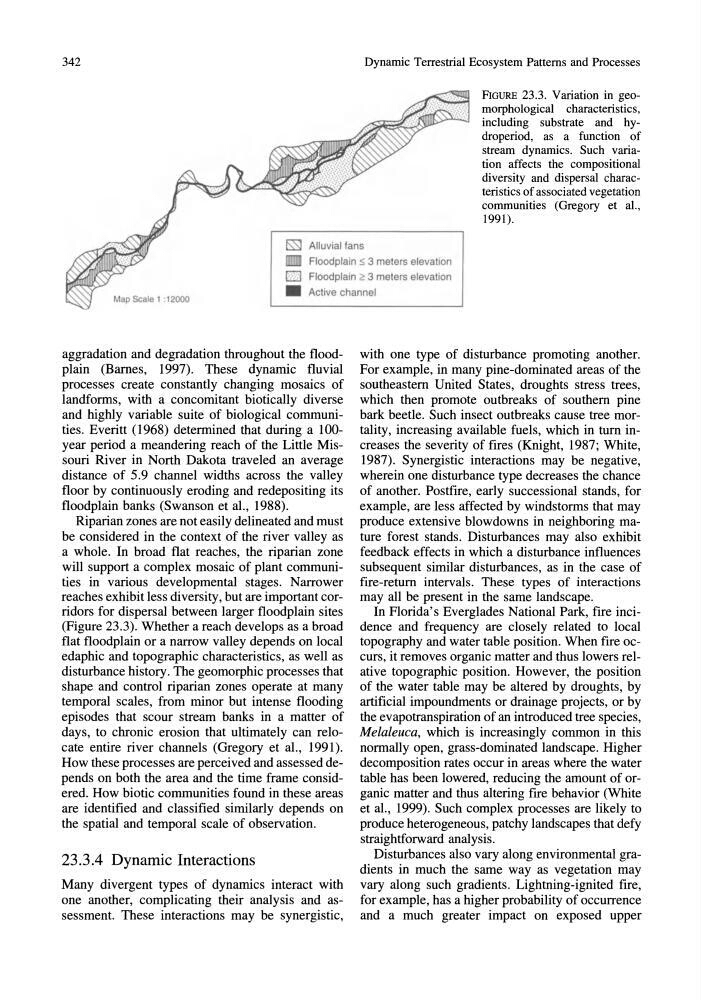
FIGURE 23.3. Variation in geomorphological characteristics,
including substrate and hydroperiod, as a function of
stream dynamics. Such variation affects the compositional
diversity and dispersal characteristics of associated vegetation
communities (Gregory et aI.,
1991).
I§l Alluvial fans
Map Scale 1 :
12000
IIIlIlIiI Floodplain :::; 3 meters elevation
EJ Floodplain ~ 3 meters elevation
•
Active channel
aggradation and degradation throughout the floodplain (Barnes, 1997). These dynamic fluvial
processes create constantly changing mosaics of
landforms, with a concomitant biotic ally diverse
and highly variable suite of biological communities. Everitt (1968) determined that during a 100year period a meandering reach of the Little Missouri River in North Dakota traveled an average
distance of 5.9 channel widths across the valley
floor by continuously eroding and redepositing its
floodplain banks (Swanson et aI., 1988).
Riparian zones are not easily delineated and must
be considered in the context of the river valley as
a whole. In broad flat reaches, the riparian zone
will support a complex mosaic of plant communities in various developmental stages. Narrower
reaches exhibit less diversity, but are important corridors for dispersal between larger floodplain sites
(Figure 23.3). Whether a reach develops as a broad
flat floodplain or a narrow valley depends on local
edaphic and topographic characteristics, as well as
disturbance history. The geomorphic processes that
shape and control riparian zones operate at many
temporal scales, from minor but intense flooding
episodes that scour stream banks in a matter of
days, to chronic erosion that ultimately can relocate entire river channels (Gregory et aI., 1991).
How these processes are perceived and assessed depends on both the area and the time frame considered. How biotic communities found in these areas
are identified and classified similarly depends on
the spatial and temporal scale of observation.
23.3.4 Dynamic Interactions
Many divergent types of dynamics interact with
one another, complicating their analysis and assessment. These interactions may be synergistic,
with one type of disturbance promoting another.
For example, in many pine-dominated areas of the
southeastern United States, droughts stress trees,
which then promote outbreaks of southern pine
bark beetle. Such insect outbreaks cause tree mortality, increasing available fuels, which in tum increases the severity of fires (Knight, 1987; White,
1987). Synergistic interactions may be negative,
wherein one disturbance type decreases the chance
of another. Postfire, early successional stands, for
example, are less affected by windstorms that may
produce extensive blowdowns in neighboring mature forest stands. Disturbances may also exhibit
feedback effects in which a disturbance influences
subsequent similar disturbances, as in the case of
fire-return intervals. These types of interactions
may all be present in the same landscape.
In Florida's Everglades National Park, fire incidence and frequency are closely related to local
topography and water table position. When fire occurs, it removes organic matter and thus lowers relative topographic position. However, the position
of the water table may be altered by droughts, by
artificial impoundments or drainage projects, or by
the evapotranspiration of an introduced tree species,
Melaleuca, which is increasingly common in this
normally open, grass-dominated landscape. Higher
decomposition rates occur in areas where the water
table has been lowered, reducing the amount of organic matter and thus altering fire behavior (White
et aI., 1999). Such complex processes are likely to
produce heterogeneous, patchy landscapes that defy
straightforward analysis.
Disturbances also vary along environmental gradients in much the same way as vegetation may
vary along such gradients. Lightning-ignited fire,
for example, has a higher probability of occurrence
and a much greater impact on exposed upper
Dynamic Terrestrial Ecosystem Patterns and Processes
FIGURE 23.3. Variation in geomorphological characteristics,
including substrate and hydroperiod, as a function of
stream dynamics. Such variation affects the compositional
diversity and dispersal characteristics of associated vegetation
communities (Gregory et aI.,
1991).
I§l Alluvial fans
Map Scale 1 :
12000
IIIlIlIiI Floodplain :::; 3 meters elevation
EJ Floodplain ~ 3 meters elevation
•
Active channel
aggradation and degradation throughout the floodplain (Barnes, 1997). These dynamic fluvial
processes create constantly changing mosaics of
landforms, with a concomitant biotic ally diverse
and highly variable suite of biological communities. Everitt (1968) determined that during a 100year period a meandering reach of the Little Missouri River in North Dakota traveled an average
distance of 5.9 channel widths across the valley
floor by continuously eroding and redepositing its
floodplain banks (Swanson et aI., 1988).
Riparian zones are not easily delineated and must
be considered in the context of the river valley as
a whole. In broad flat reaches, the riparian zone
will support a complex mosaic of plant communities in various developmental stages. Narrower
reaches exhibit less diversity, but are important corridors for dispersal between larger floodplain sites
(Figure 23.3). Whether a reach develops as a broad
flat floodplain or a narrow valley depends on local
edaphic and topographic characteristics, as well as
disturbance history. The geomorphic processes that
shape and control riparian zones operate at many
temporal scales, from minor but intense flooding
episodes that scour stream banks in a matter of
days, to chronic erosion that ultimately can relocate entire river channels (Gregory et aI., 1991).
How these processes are perceived and assessed depends on both the area and the time frame considered. How biotic communities found in these areas
are identified and classified similarly depends on
the spatial and temporal scale of observation.
23.3.4 Dynamic Interactions
Many divergent types of dynamics interact with
one another, complicating their analysis and assessment. These interactions may be synergistic,
with one type of disturbance promoting another.
For example, in many pine-dominated areas of the
southeastern United States, droughts stress trees,
which then promote outbreaks of southern pine
bark beetle. Such insect outbreaks cause tree mortality, increasing available fuels, which in tum increases the severity of fires (Knight, 1987; White,
1987). Synergistic interactions may be negative,
wherein one disturbance type decreases the chance
of another. Postfire, early successional stands, for
example, are less affected by windstorms that may
produce extensive blowdowns in neighboring mature forest stands. Disturbances may also exhibit
feedback effects in which a disturbance influences
subsequent similar disturbances, as in the case of
fire-return intervals. These types of interactions
may all be present in the same landscape.
In Florida's Everglades National Park, fire incidence and frequency are closely related to local
topography and water table position. When fire occurs, it removes organic matter and thus lowers relative topographic position. However, the position
of the water table may be altered by droughts, by
artificial impoundments or drainage projects, or by
the evapotranspiration of an introduced tree species,
Melaleuca, which is increasingly common in this
normally open, grass-dominated landscape. Higher
decomposition rates occur in areas where the water
table has been lowered, reducing the amount of organic matter and thus altering fire behavior (White
et aI., 1999). Such complex processes are likely to
produce heterogeneous, patchy landscapes that defy
straightforward analysis.
Disturbances also vary along environmental gradients in much the same way as vegetation may
vary along such gradients. Lightning-ignited fire,
for example, has a higher probability of occurrence
and a much greater impact on exposed upper