

McCarty and Power (2000) and Power and McCarty (1998) provide analyses of these alternatives. We have focused on the EPA’s framework because
the EPA has responsibility for 316(b).
Although some of the EPA terminology reflects the toxicity background
from which the framework evolved, EPA’s definitions of key terms readily
generalize to other types of anthropogenic stress, such as the entrainment
and impingement of fish (see Sidebar 3.2). This approach does not represent a static black-and-white road map. Rather, it is a representation of a
dynamic scientific, social, and political process, a process involving individuals and organizations with different backgrounds, values, and objectives.
Others have recently suggested using the EPA framework for ecological
risk assessment (USEPA 1998) for 316(b) assessments and for environmental decision making in general (Dey et al. 2000; Gentile and Harwell
1998; Harwell and Gentile, Chapter 5, this volume).
As mentioned in the introduction of this chapter, the term AEI first
appeared in Section 316(b) of the Federal Water Pollution Control Act of
1972. The term was not operationally defined and thus, not surprisingly, has
since been defined in many different ways (Anderson and Gotting 2001;
May and van Rossum 1995). The EPA still appears to be “risk adverse” to
defining this term (EPA 2000). The term AEI is operationally defined,
however, by the EPA ecological-risk-assessment process, which involves
3. Modeling Fish Entrainment and Impingement Impacts
61
Planning
Problem Formulation
Ecological Risk Assessment
Risk Characterization
Analysis
Characterization of
Exposure Ecological
Effects
Communicate Results
Risk Management
As Needed: Get Data, Iterate, Monitor
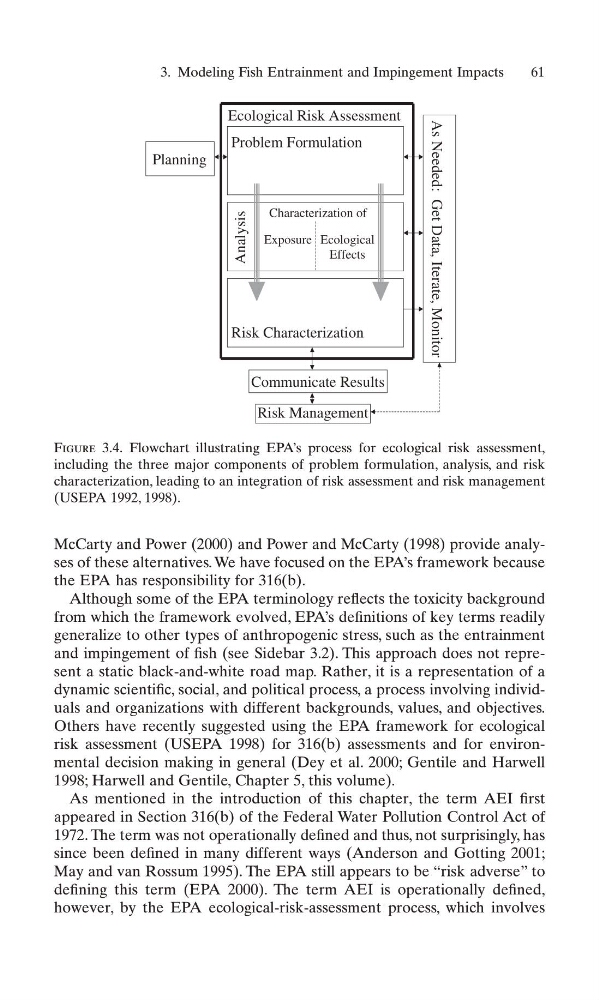
Figure 3.4. Flowchart illustrating EPA’s process for ecological risk assessment,
including the three major components of problem formulation, analysis, and risk
characterization, leading to an integration of risk assessment and risk management
(USEPA 1992, 1998).
the EPA has responsibility for 316(b).
Although some of the EPA terminology reflects the toxicity background
from which the framework evolved, EPA’s definitions of key terms readily
generalize to other types of anthropogenic stress, such as the entrainment
and impingement of fish (see Sidebar 3.2). This approach does not represent a static black-and-white road map. Rather, it is a representation of a
dynamic scientific, social, and political process, a process involving individuals and organizations with different backgrounds, values, and objectives.
Others have recently suggested using the EPA framework for ecological
risk assessment (USEPA 1998) for 316(b) assessments and for environmental decision making in general (Dey et al. 2000; Gentile and Harwell
1998; Harwell and Gentile, Chapter 5, this volume).
As mentioned in the introduction of this chapter, the term AEI first
appeared in Section 316(b) of the Federal Water Pollution Control Act of
1972. The term was not operationally defined and thus, not surprisingly, has
since been defined in many different ways (Anderson and Gotting 2001;
May and van Rossum 1995). The EPA still appears to be “risk adverse” to
defining this term (EPA 2000). The term AEI is operationally defined,
however, by the EPA ecological-risk-assessment process, which involves
3. Modeling Fish Entrainment and Impingement Impacts
61
Planning
Problem Formulation
Ecological Risk Assessment
Risk Characterization
Analysis
Characterization of
Exposure Ecological
Effects
Communicate Results
Risk Management
As Needed: Get Data, Iterate, Monitor
Figure 3.4. Flowchart illustrating EPA’s process for ecological risk assessment,
including the three major components of problem formulation, analysis, and risk
characterization, leading to an integration of risk assessment and risk management
(USEPA 1992, 1998).