

components. The ecological-risk-assessment framework developed by the
USEPA (USEPA 1992) is an example of this process.
• Decision maker’s toolkit—The decision maker’s toolkit is geared
toward decision support. The most important aspects of decision making
that would be supported by such a toolkit are alternative formulation, evaluation, and tradeoff analysis. This toolkit must include tools that facilitate
interactions among resource managers, stakeholders, and technical staff
to reach consensus on the problem(s) to be addressed and the validity of
potential approaches to addressing said problem(s). Information regarding
the types of ecological models appropriate for application to common environmental issues should be available within the toolkit.
• Modeler’s toolkit—Model developers and users (including decision
makers who wish, and have the ability, to run models themselves) should
have documentation and links to available models, modules, and descriptions of modeling approaches. The modeler’s toolkit would include all the
tools (e.g., grid generators, parameter estimators, and setup and calibration
tools) needed to develop new models or to apply existing models and
assessment tools that answer specific questions. To be fully functional, this
toolkit must include guidelines or standards enabling seamless communication among models, between databases and models, and between model
outputs and inputs to tools in the decision maker and/or stakeholder
toolkits.
• Stakeholder’s toolkit—The set of tools needed by stakeholders (the
public, nongovernmental organizations, etc.) focuses on data mining and
224
Jeffery P. Holland et al.
Conceptual
Modeling
and
Assessment
Decision
Making
Stakeholders
Carpenter
Electrician
Plumber
Homeowner
Contractor
Neighbors
Blueprints
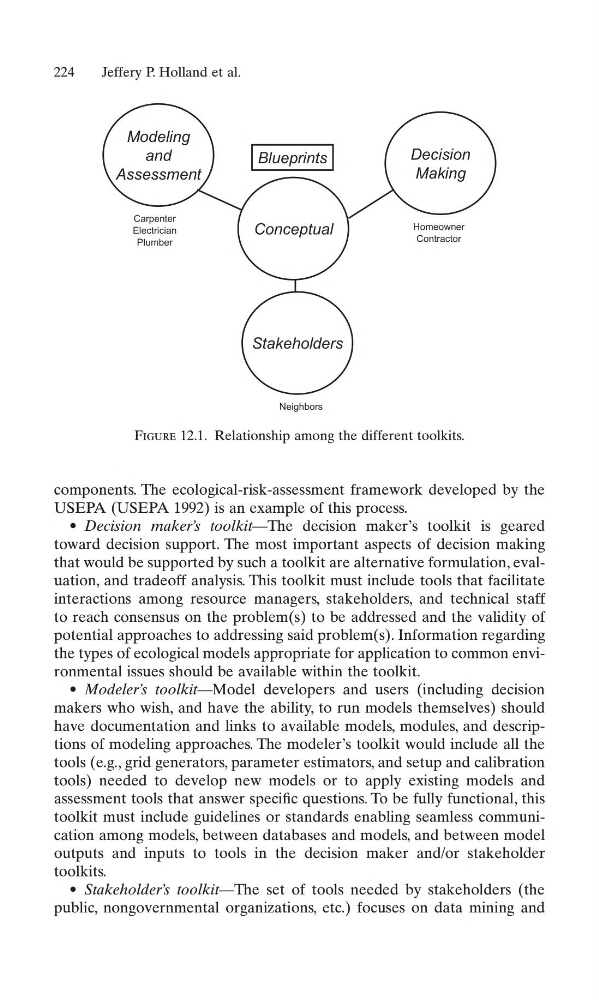
Figure 12.1. Relationship among the different toolkits.
USEPA (USEPA 1992) is an example of this process.
• Decision maker’s toolkit—The decision maker’s toolkit is geared
toward decision support. The most important aspects of decision making
that would be supported by such a toolkit are alternative formulation, evaluation, and tradeoff analysis. This toolkit must include tools that facilitate
interactions among resource managers, stakeholders, and technical staff
to reach consensus on the problem(s) to be addressed and the validity of
potential approaches to addressing said problem(s). Information regarding
the types of ecological models appropriate for application to common environmental issues should be available within the toolkit.
• Modeler’s toolkit—Model developers and users (including decision
makers who wish, and have the ability, to run models themselves) should
have documentation and links to available models, modules, and descriptions of modeling approaches. The modeler’s toolkit would include all the
tools (e.g., grid generators, parameter estimators, and setup and calibration
tools) needed to develop new models or to apply existing models and
assessment tools that answer specific questions. To be fully functional, this
toolkit must include guidelines or standards enabling seamless communication among models, between databases and models, and between model
outputs and inputs to tools in the decision maker and/or stakeholder
toolkits.
• Stakeholder’s toolkit—The set of tools needed by stakeholders (the
public, nongovernmental organizations, etc.) focuses on data mining and
224
Jeffery P. Holland et al.
Conceptual
Modeling
and
Assessment
Decision
Making
Stakeholders
Carpenter
Electrician
Plumber
Homeowner
Contractor
Neighbors
Blueprints
Figure 12.1. Relationship among the different toolkits.