

The Abrolhos Reefs of Brazil
89
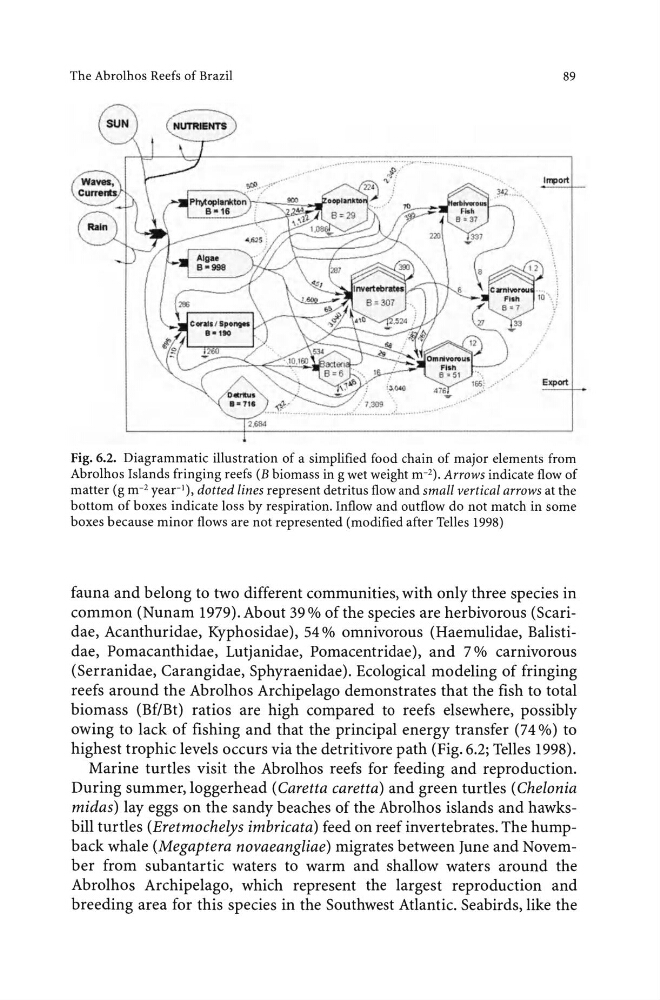
Fig. 6.2. Diagrammatic illustration of a simplified food chain of major elements from
Abrolhos Islands fringing reefs (B biomass in g wet weight m- 2 ). Arrows indicate flow of
matter (g m- 2 year- 1 ), dotted lines represent detritus flow and small vertical arrows at the
bottom of boxes indicate loss by respiration. Inflow and outflow do not match in some
boxes because minor flows are not represented (modified after Telles 1998)
fauna and belong to two different communities, with only three species in
common (Nunam 1979). About 39% of the species are herbivorous (Scaridae, Acanthuridae, Kyphosidae), 54% omnivorous (Haemulidae, Balistidae, Pomacanthidae, Lutjanidae, Pomacentridae), and 7% carnivorous
(Serranidae, Carangidae, Sphyraenidae). Ecological modeling of fringing
reefs around the Abrolhos Archipelago demonstrates that the fish to total
biomass (Bf/Bt) ratios are high compared to reefs elsewhere, possibly
owing to lack of fishing and that the principal energy transfer (74%) to
highest trophic levels occurs via the detritivore path (Fig. 6.2; Telles 1998).
Marine turtles visit the Abrolhos reefs for feeding and reproduction.
During summer, loggerhead (Caretta caretta) and green turtles (Chelonia
midas) lay eggs on the sandy beaches of the Abrolhos islands and hawksbill turtles (Eretmochelys imbricata) feed on reef invertebrates. The humpback whale (Megaptera novaeangliae) migrates between June and November from subantartic waters to warm and shallow waters around the
Abrolhos Archipelago, which represent the largest reproduction and
breeding area for this species in the Southwest Atlantic. Seabirds, like the
89
Fig. 6.2. Diagrammatic illustration of a simplified food chain of major elements from
Abrolhos Islands fringing reefs (B biomass in g wet weight m- 2 ). Arrows indicate flow of
matter (g m- 2 year- 1 ), dotted lines represent detritus flow and small vertical arrows at the
bottom of boxes indicate loss by respiration. Inflow and outflow do not match in some
boxes because minor flows are not represented (modified after Telles 1998)
fauna and belong to two different communities, with only three species in
common (Nunam 1979). About 39% of the species are herbivorous (Scaridae, Acanthuridae, Kyphosidae), 54% omnivorous (Haemulidae, Balistidae, Pomacanthidae, Lutjanidae, Pomacentridae), and 7% carnivorous
(Serranidae, Carangidae, Sphyraenidae). Ecological modeling of fringing
reefs around the Abrolhos Archipelago demonstrates that the fish to total
biomass (Bf/Bt) ratios are high compared to reefs elsewhere, possibly
owing to lack of fishing and that the principal energy transfer (74%) to
highest trophic levels occurs via the detritivore path (Fig. 6.2; Telles 1998).
Marine turtles visit the Abrolhos reefs for feeding and reproduction.
During summer, loggerhead (Caretta caretta) and green turtles (Chelonia
midas) lay eggs on the sandy beaches of the Abrolhos islands and hawksbill turtles (Eretmochelys imbricata) feed on reef invertebrates. The humpback whale (Megaptera novaeangliae) migrates between June and November from subantartic waters to warm and shallow waters around the
Abrolhos Archipelago, which represent the largest reproduction and
breeding area for this species in the Southwest Atlantic. Seabirds, like the