

Ecological Implications
49
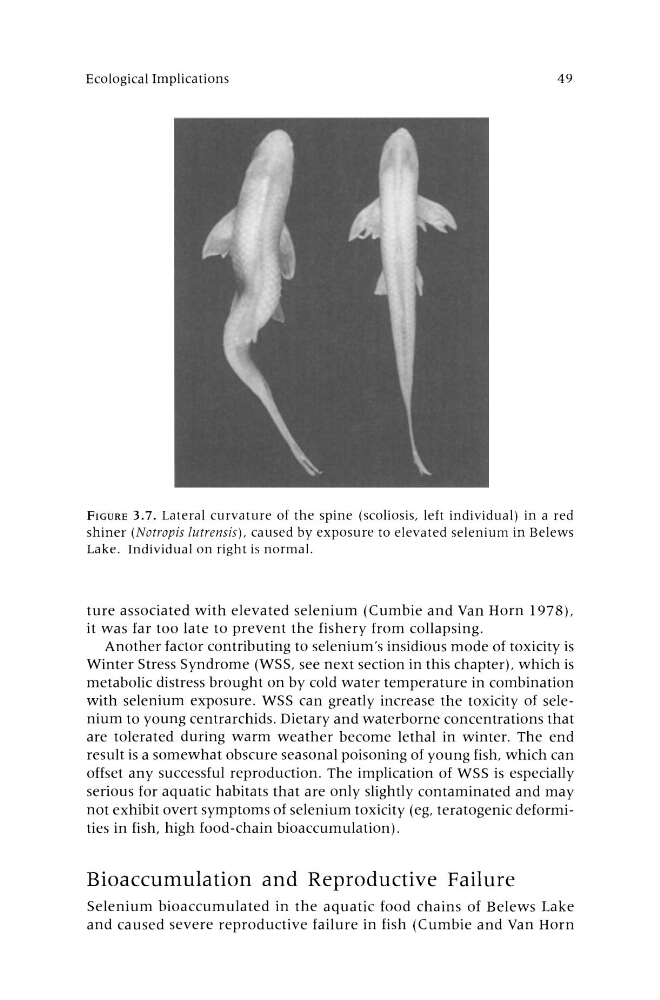
FIGURE 3.7. Lateral curvature of the spine (scoliosis, left individual) in a red
shiner (Notropis /utrensis), caused by exposure to elevated selenium in Belews
Lake. Individual on right is normal.
ture associated with elevated selenium (Cumbie and Van Horn 1978),
it was far too late to prevent the fishery from collapsing.
Another factor contributing to selenium's insidious mode of toxicity is
Winter Stress Syndrome (WSS, see next section in this chapter), which is
metabolic distress brought on by cold water temperature in combination
with selenium exposure. WSS can greatly increase the toxicity of selenium to young centrarchids. Dietary and waterborne concentrations that
are tolerated during warm weather become lethal in winter. The end
result is a somewhat obscure seasonal poisoning of young fish, which can
offset any successful reproduction. The implication of WSS is especially
serious for aquatic habitats that are only slightly contaminated and may
not exhibit overt symptoms of selenium toxicity (eg, teratogenic deformities in fish, high food-chain bioaccumulation).
Bioaccumulation and Reproductive Failure
Selenium bioaccumulated in the aquatic food chains of Belews Lake
and caused severe reproductive failure in fish (Cumbie and Van Horn
49
FIGURE 3.7. Lateral curvature of the spine (scoliosis, left individual) in a red
shiner (Notropis /utrensis), caused by exposure to elevated selenium in Belews
Lake. Individual on right is normal.
ture associated with elevated selenium (Cumbie and Van Horn 1978),
it was far too late to prevent the fishery from collapsing.
Another factor contributing to selenium's insidious mode of toxicity is
Winter Stress Syndrome (WSS, see next section in this chapter), which is
metabolic distress brought on by cold water temperature in combination
with selenium exposure. WSS can greatly increase the toxicity of selenium to young centrarchids. Dietary and waterborne concentrations that
are tolerated during warm weather become lethal in winter. The end
result is a somewhat obscure seasonal poisoning of young fish, which can
offset any successful reproduction. The implication of WSS is especially
serious for aquatic habitats that are only slightly contaminated and may
not exhibit overt symptoms of selenium toxicity (eg, teratogenic deformities in fish, high food-chain bioaccumulation).
Bioaccumulation and Reproductive Failure
Selenium bioaccumulated in the aquatic food chains of Belews Lake
and caused severe reproductive failure in fish (Cumbie and Van Horn