

136
8. Setting Ecosystem Loading Limits
TMDL DECISION TREE FOR SELENIUM
Delineate and characterize the Hydrological Unit (HU)
Measure selenium (Se) concentrations and determine hazard level
Low, moderate, or high hazard
Minimal or no hazard
Determine existing Se Load
Monitor Se concentrations
Estimate retention capacity of HU
Determine allowable Se load
Prescribe and implement Se load reduction
Monitor effectiveness of load reduction
Environmental Goals met
Goals Not met
Monitor Se concentrations
Further load reduction
Monitor Se concentrations
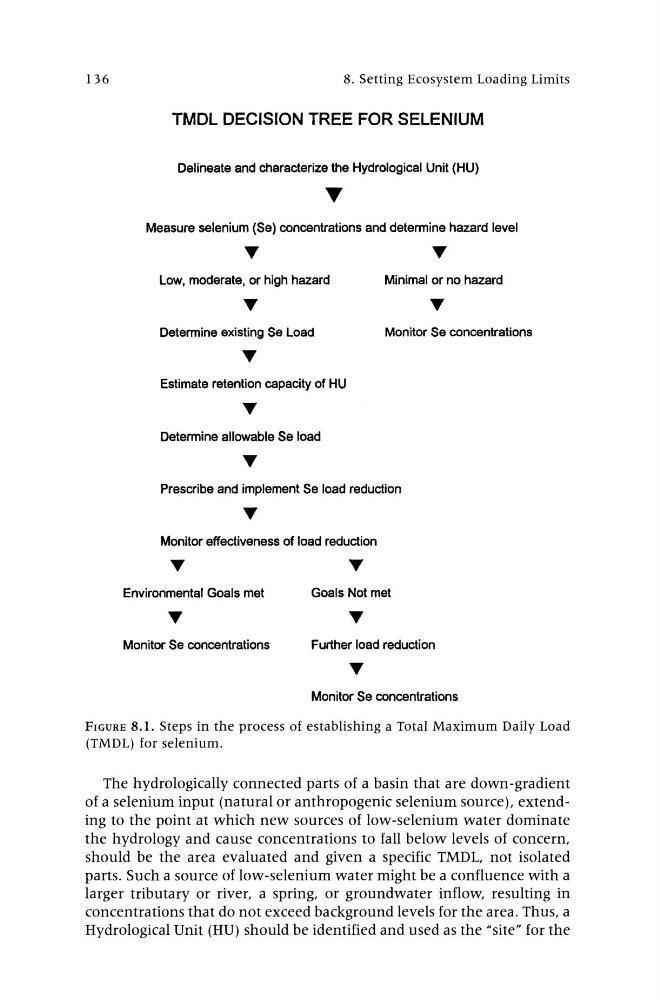
FIGURE 8.1. Steps in the process of establishing a Total Maximum Daily Load
(TMDL) for selenium.
The hydrologically connected parts of a basin that are down-gradient
of a selenium input (natural or anthropogenic selenium source), extending to the point at which new sources of low-selenium water dominate
the hydrology and cause concentrations to fall below levels of concern,
should be the area evaluated and given a specific TMDL, not isolated
parts. Such a source of low-selenium water might be a confluence with a
larger tributary or river, a spring, or groundwater inflow, resulting in
concentrations that do not exceed background levels for the area. Thus, a
Hydrological Unit (HU) should be identified and used as the "site" for the
8. Setting Ecosystem Loading Limits
TMDL DECISION TREE FOR SELENIUM
Delineate and characterize the Hydrological Unit (HU)
Measure selenium (Se) concentrations and determine hazard level
Low, moderate, or high hazard
Minimal or no hazard
Determine existing Se Load
Monitor Se concentrations
Estimate retention capacity of HU
Determine allowable Se load
Prescribe and implement Se load reduction
Monitor effectiveness of load reduction
Environmental Goals met
Goals Not met
Monitor Se concentrations
Further load reduction
Monitor Se concentrations
FIGURE 8.1. Steps in the process of establishing a Total Maximum Daily Load
(TMDL) for selenium.
The hydrologically connected parts of a basin that are down-gradient
of a selenium input (natural or anthropogenic selenium source), extending to the point at which new sources of low-selenium water dominate
the hydrology and cause concentrations to fall below levels of concern,
should be the area evaluated and given a specific TMDL, not isolated
parts. Such a source of low-selenium water might be a confluence with a
larger tributary or river, a spring, or groundwater inflow, resulting in
concentrations that do not exceed background levels for the area. Thus, a
Hydrological Unit (HU) should be identified and used as the "site" for the