

14. Patch Dynamics for Forested Ecosystems in the Pacific Nort hwest
301
Patch 100
1000
- - Large u, R = high
-- -- Large u, R = low
- - Small Jl. R = high
.--- --- Small u, R =low
500
Time
..... ......
..... .... ..... .....
. . . .. .. ..
i -.
· ,
I
,
· .
I
,
·
.
20 I
'. , . , . . . . ..
- C
Gl
f:! 40
Gl
IJ.
80
..c
o
i;j 60
IJ.
a
Matrix 0 -+----,r----+--r-"'--..,..o
Patch 100
... - - - - - - -- -
, ,
80
,
- - Large Jl, R =high
.
, ,
·
..c
·
- - - - Large Jl, R =low
·
u
,
- 60 .
CD
.
- - Small u, R =high
IJ.
,
,
E
,
.
.--- --- Small Jl. R =low
,
Gl
·
u 40
·
...
·
Gl
·
·
IJ.
·
·
·
20
,
·
Matrix 0
0
50
100
150
200
b
Time
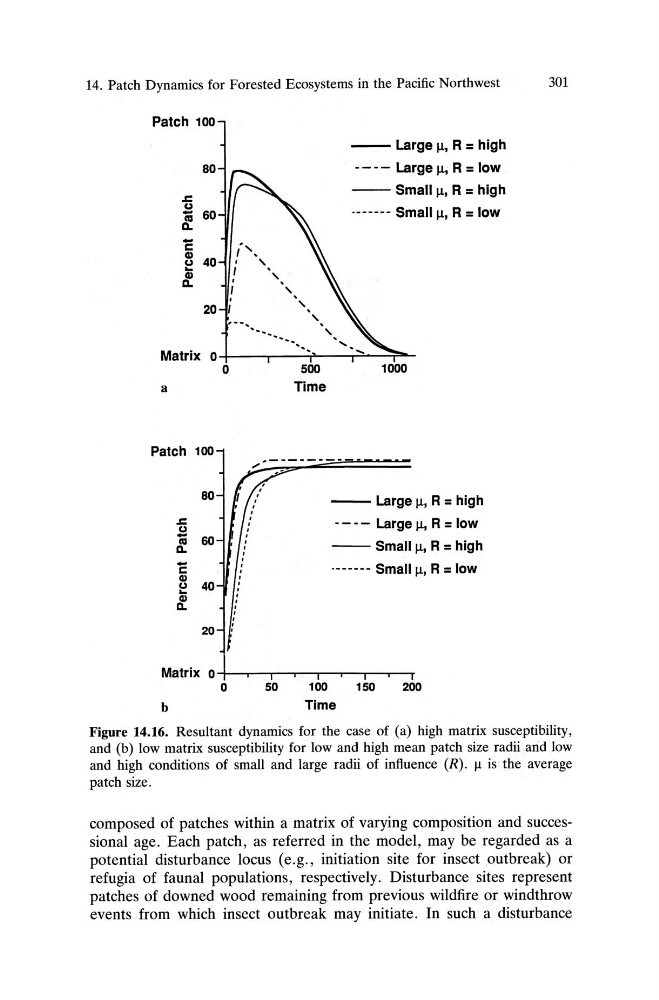
Figure 14.16. Resultant dynamics for the case of (a) high matrix susceptibility,
and (b) low matrix susceptibility for low and high mean patch size radii and low
and high conditions of small and large radii of influence (R). 11 is the average
patch size.
composed of patches within a matrix of varying composition and successional age . Each patch, as referred in the model , may be regarded as a
potential disturbance locus (e.g ., initiation site for insect outbreak) or
refugia of faunal populations, respectively. Disturbance sites represent
patches of downed wood remaining from previous wildfire or windthrow
events from which insect outbreak may initiate . In such a disturba nce
301
Patch 100
1000
- - Large u, R = high
-- -- Large u, R = low
- - Small Jl. R = high
.--- --- Small u, R =low
500
Time
..... ......
..... .... ..... .....
. . . .. .. ..
i -.
· ,
I
,
· .
I
,
·
.
20 I
'. , . , . . . . ..
- C
Gl
f:! 40
Gl
IJ.
80
..c
o
i;j 60
IJ.
a
Matrix 0 -+----,r----+--r-"'--..,..o
Patch 100
... - - - - - - -- -
, ,
80
,
- - Large Jl, R =high
.
, ,
·
..c
·
- - - - Large Jl, R =low
·
u
,
- 60 .
CD
.
- - Small u, R =high
IJ.
,
,
E
,
.
.--- --- Small Jl. R =low
,
Gl
·
u 40
·
...
·
Gl
·
·
IJ.
·
·
·
20
,
·
Matrix 0
0
50
100
150
200
b
Time
Figure 14.16. Resultant dynamics for the case of (a) high matrix susceptibility,
and (b) low matrix susceptibility for low and high mean patch size radii and low
and high conditions of small and large radii of influence (R). 11 is the average
patch size.
composed of patches within a matrix of varying composition and successional age . Each patch, as referred in the model , may be regarded as a
potential disturbance locus (e.g ., initiation site for insect outbreak) or
refugia of faunal populations, respectively. Disturbance sites represent
patches of downed wood remaining from previous wildfire or windthrow
events from which insect outbreak may initiate . In such a disturba nce