

162
air sample. Because the NDIR method can be used only for a sample of gas (water
itself absorbs IR strongly), an atomizer or equilibration device such as a membrane
filter that passes air must be used to generate gas with the same pCO 2 as the water
sample. A problem with this method is that a sensor with sufficient precision (several microatmospheres or less) is expensive.
There are roughly two approaches to calculating pCO 2water using the chemical
parameters of a water sample. The first approach is to calculate pCO 2water from DIC,
TA, and pH (Zeebe and Wolf-Gladrow 2001). Water samples for DIC and TA analyses should be collected in hermetically sealed, gas-impermeable, thick glass bottles.
DIC and TA are determined via a potentiometric titration procedure with a solution
of hydrochloric acid (Dickson et al. 2007). The value of pCO 2water is calculated using
the chemical equilibrium relationships between DIC and TA. The value of pCO 2water
can also be calculated from the combination of pH with either DIC or TA. The pH
can be measured with a pH probe. However, a highly accurate pH sensor is necessary because the pH measurement must be accurate to ±0.001 or less. In addition,
the pH sensors should be based on the Total pH scale, not NBS scale (Hansson
1973). In other words, the pH sensor should be calibrated by saline standards (e.g.,
Tris-buffered saline or seawater samples of which the TA and DIC are known), not
by common unsalted standards like phosphate buffers. The second approach is to
estimate pCO 2water from salinity and pH. This method can be applied in places where
TA is strongly correlated with salinity because under such conditions calcification
and dissolution processes are negligible. The first approach yields highly accurate
estimates of pCO 2water , but the cost and effort required for water sampling are disadvantages. The second approach enables a long time series of measurements via
installation of salinity and pH sensors in situ, but it is less accurate than the first
approach.
The value of pCO 2air can be directly measured in situ with a sensor using the
NDIR method. Representative values from the literature can also be adopted because
pCO 2air does not fluctuate greatly in less than decadal scales. During the 1980s and
1990s, it was common to use approximately 360 ppm as a representative value, but
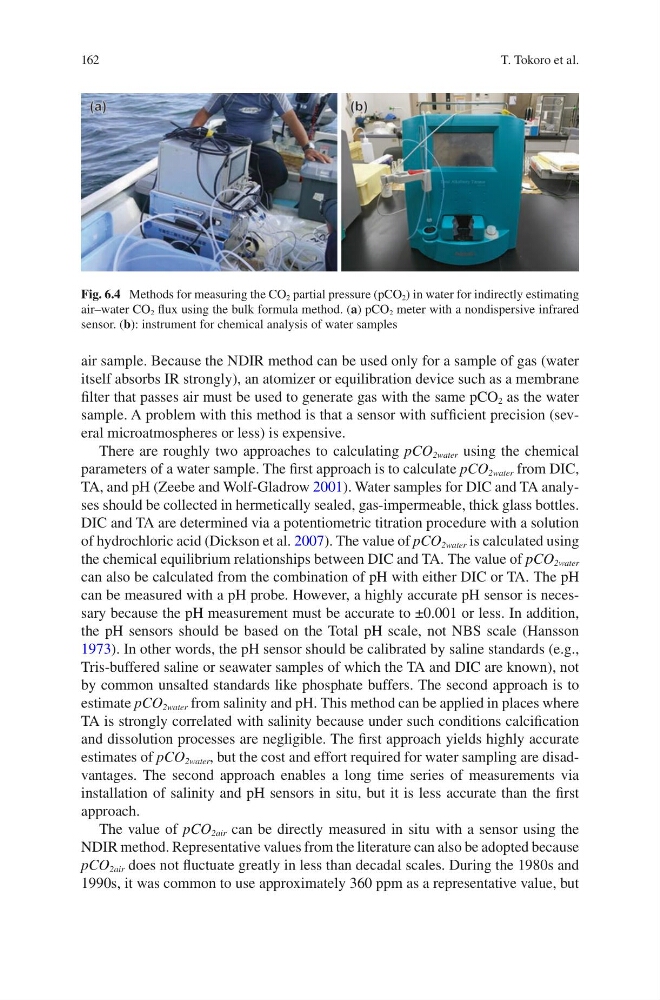
Fig. 6.4 Methods for measuring the CO 2 partial pressure (pCO 2 ) in water for indirectly estimating
air–water CO 2 flux using the bulk formula method. (a) pCO 2 meter with a nondispersive infrared
sensor. (b): instrument for chemical analysis of water samples
T. Tokoro et al.
air sample. Because the NDIR method can be used only for a sample of gas (water
itself absorbs IR strongly), an atomizer or equilibration device such as a membrane
filter that passes air must be used to generate gas with the same pCO 2 as the water
sample. A problem with this method is that a sensor with sufficient precision (several microatmospheres or less) is expensive.
There are roughly two approaches to calculating pCO 2water using the chemical
parameters of a water sample. The first approach is to calculate pCO 2water from DIC,
TA, and pH (Zeebe and Wolf-Gladrow 2001). Water samples for DIC and TA analyses should be collected in hermetically sealed, gas-impermeable, thick glass bottles.
DIC and TA are determined via a potentiometric titration procedure with a solution
of hydrochloric acid (Dickson et al. 2007). The value of pCO 2water is calculated using
the chemical equilibrium relationships between DIC and TA. The value of pCO 2water
can also be calculated from the combination of pH with either DIC or TA. The pH
can be measured with a pH probe. However, a highly accurate pH sensor is necessary because the pH measurement must be accurate to ±0.001 or less. In addition,
the pH sensors should be based on the Total pH scale, not NBS scale (Hansson
1973). In other words, the pH sensor should be calibrated by saline standards (e.g.,
Tris-buffered saline or seawater samples of which the TA and DIC are known), not
by common unsalted standards like phosphate buffers. The second approach is to
estimate pCO 2water from salinity and pH. This method can be applied in places where
TA is strongly correlated with salinity because under such conditions calcification
and dissolution processes are negligible. The first approach yields highly accurate
estimates of pCO 2water , but the cost and effort required for water sampling are disadvantages. The second approach enables a long time series of measurements via
installation of salinity and pH sensors in situ, but it is less accurate than the first
approach.
The value of pCO 2air can be directly measured in situ with a sensor using the
NDIR method. Representative values from the literature can also be adopted because
pCO 2air does not fluctuate greatly in less than decadal scales. During the 1980s and
1990s, it was common to use approximately 360 ppm as a representative value, but
Fig. 6.4 Methods for measuring the CO 2 partial pressure (pCO 2 ) in water for indirectly estimating
air–water CO 2 flux using the bulk formula method. (a) pCO 2 meter with a nondispersive infrared
sensor. (b): instrument for chemical analysis of water samples
T. Tokoro et al.