

53
Phosphatidylglycerol (PG)
Phosphatidylcholine (PC)
Phosphatidylethanolamine (PE)
Phosphatidylserine (PS)
Phosphatidylino sitol (PI)
Phosphatidic acid (PA)
Triacylglycerol
(TAG)
CH 2 —OOC—R”
CH—OOC—R’
CH 2 —OOC—R
CH 2 −OOCR’
COO −
R”COO–CH
CH2–O–CH–O–CH2CH2–N
+
(CH3)3
CH 2 SO –
3
CH2
O
O
O
O
OH
OH
OH
CHOCOR 1
CH2OCOR2
CH 2 –OOCR’
CH 2 –O–P–OH
R”COO–CH
O
O¯
Sulfoquinovosyldiacylglycerol
(SQDG)
Digalactosyldiacylglycerol
(DGDG)
Monogalactosyldiacylglycerol
(MGDG)
Diacylglycerol-O-(N,N,N-trimethyl)-homoserine
(DGTS)
Diacylglyceryl hydroxymethyltrimethyl-β-alanine
(DGTA)
Diacylglyceryl carboxyhydroxymethylcholine
(DGCC)
CH 2 OH
CH 2 OH
OH
OH
OH
O O C H 2
CHOCOR1
CH2OCOR2
OH
OH
OH
CH2
CH2
CH2
CH2
CH
O
O
O
O
OH
OH
OH
CHOCOR1
CH2OCOR2
CH 2 −OOCR’
COO −
R”COO–CH
CH2–O–CH2CH2–N
+
(CH3)3
CH 2 –O–P–O–CH 2 CH 2 N
+
(CH 3 ) 3
CH 2 −OOCR’
CHOH
CH2OH
R”COO–CH
CH2–O–P–O–CH2
CH 2 −OOCR’
COO −
R”COO–CH
CH2–O–CH2–CH–CH2–N
+
(CH3)3
O
O
CH 2 −OOCR’
R”COO–CH
O
O
O
O C
O
R 1
P
O
O
OH
O
H
H
H H
H
H
OH
OH
OH
OH
O
C
R 2
CH2–O–P–O–CH2CH2NH3
CH2–O–P–O–CH2CHCOO –
OH
O
CH 2 −OOCR’
R”COO–CH
O
NH3
+
CH 2 −OOCR’
R”COO–CH
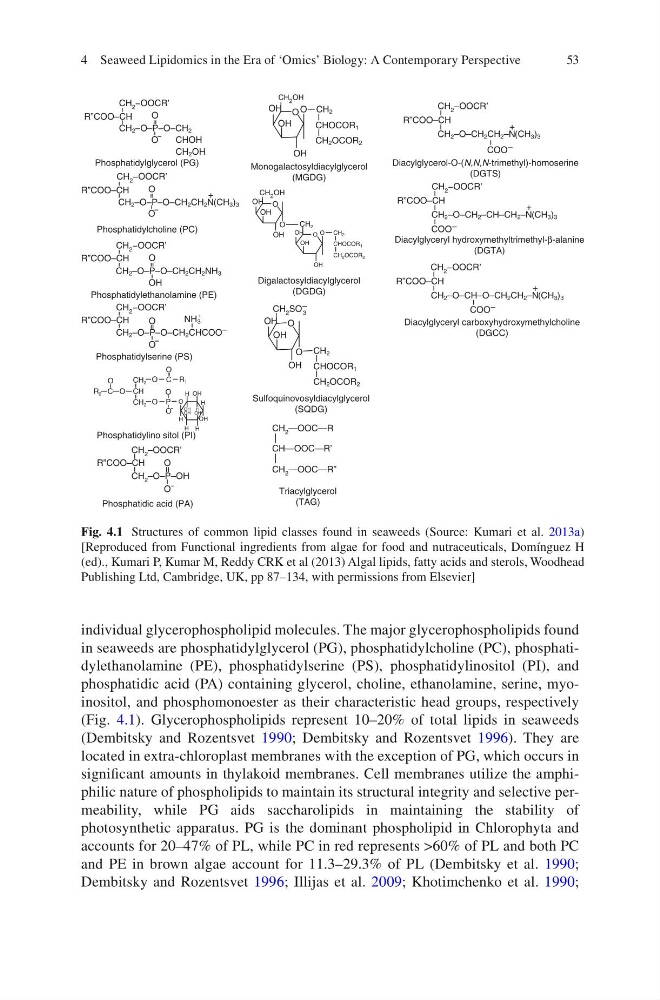
Fig. 4.1 Structures of common lipid classes found in seaweeds (Source: Kumari et al. 2013a)
[Reproduced from Functional ingredients from algae for food and nutraceuticals, Domínguez H
(ed)., Kumari P, Kumar M, Reddy CRK et al (2013) Algal lipids, fatty acids and sterols, Woodhead
Publishing Ltd, Cambridge, UK, pp 87–134, with permissions from Elsevier]
individual glycerophospholipid molecules. The major glycerophospholipids found
in seaweeds are phosphatidylglycerol (PG), phosphatidylcholine (PC), phosphatidylethanolamine (PE), phosphatidylserine (PS), phosphatidylinositol (PI), and
phosphatidic acid (PA) containing glycerol, choline, ethanolamine, serine, myoinositol, and phosphomonoester as their characteristic head groups, respectively
(Fig. 4.1). Glycerophospholipids represent 10–20% of total lipids in seaweeds
(Dembitsky and Rozentsvet 1990; Dembitsky and Rozentsvet 1996). They are
located in extra-chloroplast membranes with the exception of PG, which occurs in
significant amounts in thylakoid membranes. Cell membranes utilize the amphiphilic nature of phospholipids to maintain its structural integrity and selective permeability, while PG aids saccharolipids in maintaining the stability of
photosynthetic apparatus. PG is the dominant phospholipid in Chlorophyta and
accounts for 20–47% of PL, while PC in red represents >60% of PL and both PC
and PE in brown algae account for 11.3–29.3% of PL (Dembitsky et al. 1990;
Dembitsky and Rozentsvet 1996; Illijas et al. 2009; Khotimchenko et al. 1990;
4 Seaweed Lipidomics in the Era of ‘Omics’ Biology: A Contemporary Perspective
Phosphatidylglycerol (PG)
Phosphatidylcholine (PC)
Phosphatidylethanolamine (PE)
Phosphatidylserine (PS)
Phosphatidylino sitol (PI)
Phosphatidic acid (PA)
Triacylglycerol
(TAG)
CH 2 —OOC—R”
CH—OOC—R’
CH 2 —OOC—R
CH 2 −OOCR’
COO −
R”COO–CH
CH2–O–CH–O–CH2CH2–N
+
(CH3)3
CH 2 SO –
3
CH2
O
O
O
O
OH
OH
OH
CHOCOR 1
CH2OCOR2
CH 2 –OOCR’
CH 2 –O–P–OH
R”COO–CH
O
O¯
Sulfoquinovosyldiacylglycerol
(SQDG)
Digalactosyldiacylglycerol
(DGDG)
Monogalactosyldiacylglycerol
(MGDG)
Diacylglycerol-O-(N,N,N-trimethyl)-homoserine
(DGTS)
Diacylglyceryl hydroxymethyltrimethyl-β-alanine
(DGTA)
Diacylglyceryl carboxyhydroxymethylcholine
(DGCC)
CH 2 OH
CH 2 OH
OH
OH
OH
O O C H 2
CHOCOR1
CH2OCOR2
OH
OH
OH
CH2
CH2
CH2
CH2
CH
O
O
O
O
OH
OH
OH
CHOCOR1
CH2OCOR2
CH 2 −OOCR’
COO −
R”COO–CH
CH2–O–CH2CH2–N
+
(CH3)3
CH 2 –O–P–O–CH 2 CH 2 N
+
(CH 3 ) 3
CH 2 −OOCR’
CHOH
CH2OH
R”COO–CH
CH2–O–P–O–CH2
CH 2 −OOCR’
COO −
R”COO–CH
CH2–O–CH2–CH–CH2–N
+
(CH3)3
O
O
CH 2 −OOCR’
R”COO–CH
O
O
O
O C
O
R 1
P
O
O
OH
O
H
H
H H
H
H
OH
OH
OH
OH
O
C
R 2
CH2–O–P–O–CH2CH2NH3
CH2–O–P–O–CH2CHCOO –
OH
O
CH 2 −OOCR’
R”COO–CH
O
NH3
+
CH 2 −OOCR’
R”COO–CH
Fig. 4.1 Structures of common lipid classes found in seaweeds (Source: Kumari et al. 2013a)
[Reproduced from Functional ingredients from algae for food and nutraceuticals, Domínguez H
(ed)., Kumari P, Kumar M, Reddy CRK et al (2013) Algal lipids, fatty acids and sterols, Woodhead
Publishing Ltd, Cambridge, UK, pp 87–134, with permissions from Elsevier]
individual glycerophospholipid molecules. The major glycerophospholipids found
in seaweeds are phosphatidylglycerol (PG), phosphatidylcholine (PC), phosphatidylethanolamine (PE), phosphatidylserine (PS), phosphatidylinositol (PI), and
phosphatidic acid (PA) containing glycerol, choline, ethanolamine, serine, myoinositol, and phosphomonoester as their characteristic head groups, respectively
(Fig. 4.1). Glycerophospholipids represent 10–20% of total lipids in seaweeds
(Dembitsky and Rozentsvet 1990; Dembitsky and Rozentsvet 1996). They are
located in extra-chloroplast membranes with the exception of PG, which occurs in
significant amounts in thylakoid membranes. Cell membranes utilize the amphiphilic nature of phospholipids to maintain its structural integrity and selective permeability, while PG aids saccharolipids in maintaining the stability of
photosynthetic apparatus. PG is the dominant phospholipid in Chlorophyta and
accounts for 20–47% of PL, while PC in red represents >60% of PL and both PC
and PE in brown algae account for 11.3–29.3% of PL (Dembitsky et al. 1990;
Dembitsky and Rozentsvet 1996; Illijas et al. 2009; Khotimchenko et al. 1990;
4 Seaweed Lipidomics in the Era of ‘Omics’ Biology: A Contemporary Perspective