

257
13.3 Role of Oxidative Stress in Carotenoid Accumulation
in Microalgae
Carotenoids are among the most common, naturally occurring terpenoid pigments
with a C40 methyl-branched hydrocarbon backbone which provides distinctive
molecular structures and associated chemical properties including light-absorption
features that are essential for photosynthesis (del Campo et al. 2007). There are over
600 carotenoids occurring in nature (Paliwal et al. 2016). Their colour varies from
yellow to orange or red, depending on the number of conjugated double bonds of
the polyene chain and corresponds to their ability to absorb photons in the blue and
near-UV regions. Carotenoids are divided into carotenes (hydrocarbons containing
no oxygen) such as α-carotene, β-carotene and lycopene and xanthophylls (hydrocarbons containing oxygen element) including lutein, zeaxanthin and violaxanthin
(Zhang et al. 2014). Carotenoids can also be classified as primary carotenoids,
which are functional and structural components of the photosynthetic apparatus and
are essential for cell survival, and secondary carotenoids, which are accumulated as
oil droplets in the plastids or cytoplasm, when exposed to specific environmental
stimuli (via carotenogenesis) (Guedes et al. 2011) such as nutrient starvation, high
salinity, high light, etc. Lutein is a major carotenoid as it acts as a primary carotenoid maintaining the integrity of cell membranes and protecting the cells from
many forms of stress. Astaxanthin is considered a secondary carotenoid, present in
lipid bodies outside the chloroplast, and has potential applications in human health
(Minhas et al. 2016).
Carotenoids are synthesized de novo by all photosynthetic organisms, some bacteria and fungi. Vertebrates have to take up these essential molecules from their diet.
Due to their physicochemical properties and high-added values, carotenoids are
widely used by industries as natural food colourants to colour the flesh of fish or to
enhance the colour of egg yolks in poultry industries; as feed additives in aquaculture,
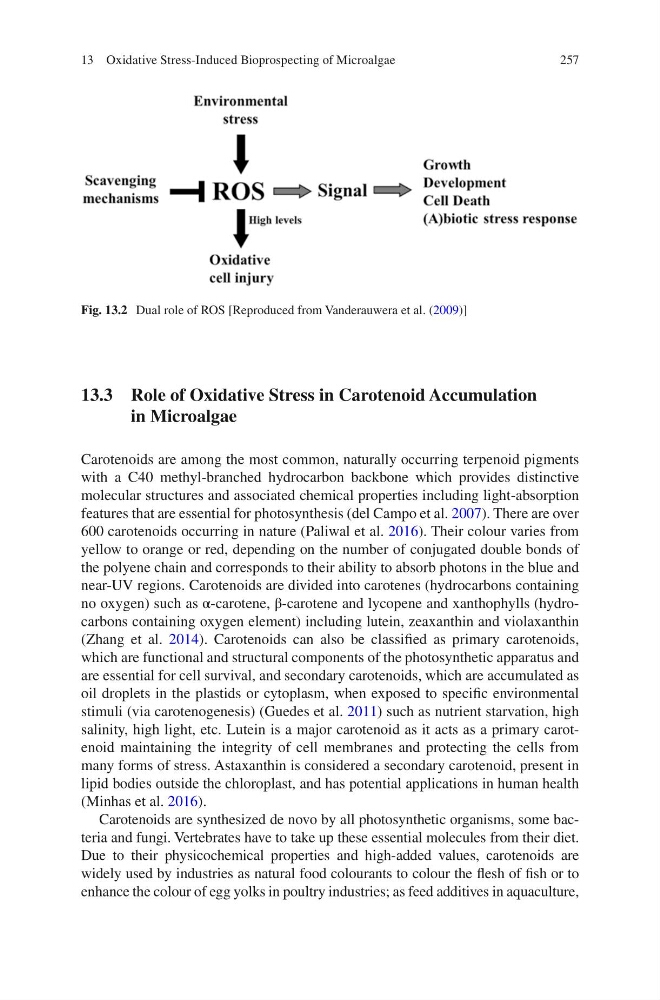
Fig. 13.2 Dual role of ROS [Reproduced from Vanderauwera et al. (2009)]
13 Oxidative Stress-Induced Bioprospecting of Microalgae
13.3 Role of Oxidative Stress in Carotenoid Accumulation
in Microalgae
Carotenoids are among the most common, naturally occurring terpenoid pigments
with a C40 methyl-branched hydrocarbon backbone which provides distinctive
molecular structures and associated chemical properties including light-absorption
features that are essential for photosynthesis (del Campo et al. 2007). There are over
600 carotenoids occurring in nature (Paliwal et al. 2016). Their colour varies from
yellow to orange or red, depending on the number of conjugated double bonds of
the polyene chain and corresponds to their ability to absorb photons in the blue and
near-UV regions. Carotenoids are divided into carotenes (hydrocarbons containing
no oxygen) such as α-carotene, β-carotene and lycopene and xanthophylls (hydrocarbons containing oxygen element) including lutein, zeaxanthin and violaxanthin
(Zhang et al. 2014). Carotenoids can also be classified as primary carotenoids,
which are functional and structural components of the photosynthetic apparatus and
are essential for cell survival, and secondary carotenoids, which are accumulated as
oil droplets in the plastids or cytoplasm, when exposed to specific environmental
stimuli (via carotenogenesis) (Guedes et al. 2011) such as nutrient starvation, high
salinity, high light, etc. Lutein is a major carotenoid as it acts as a primary carotenoid maintaining the integrity of cell membranes and protecting the cells from
many forms of stress. Astaxanthin is considered a secondary carotenoid, present in
lipid bodies outside the chloroplast, and has potential applications in human health
(Minhas et al. 2016).
Carotenoids are synthesized de novo by all photosynthetic organisms, some bacteria and fungi. Vertebrates have to take up these essential molecules from their diet.
Due to their physicochemical properties and high-added values, carotenoids are
widely used by industries as natural food colourants to colour the flesh of fish or to
enhance the colour of egg yolks in poultry industries; as feed additives in aquaculture,
Fig. 13.2 Dual role of ROS [Reproduced from Vanderauwera et al. (2009)]
13 Oxidative Stress-Induced Bioprospecting of Microalgae