

16. Evolution of Reproductive Organs in Vascular Plants
249
ferns
CRM6 = AG?
CRM1
LFY
gene duplications in each gene group
CRM3
~?
ubiquitous expression
more?
MADS genes
Trimerophytophyta
at least
gymnosperms
two MADS genes
AGL2
LFY
loss of APlgene
AGL6
~?)
gene duplications in each gene group
ubiquitous expression?
I
AGL 14 AFl AP3/PI AG
~ Ubiq~itOUS ~ more?
,V t?
genes genes
" ' - -
reproductive organ specific
AGL2
AP1
expressIon
angiosperms
AGL6 AP3fPI
T
:~~~ rTu~x
AGL12 AG
AGL14
AP3 and PI groups were established
gene duplication in each gene group
AGL12
AGL17
AGL14 AP1 t1ri AG
more
AGL17 t'rt
more? genes genes genes
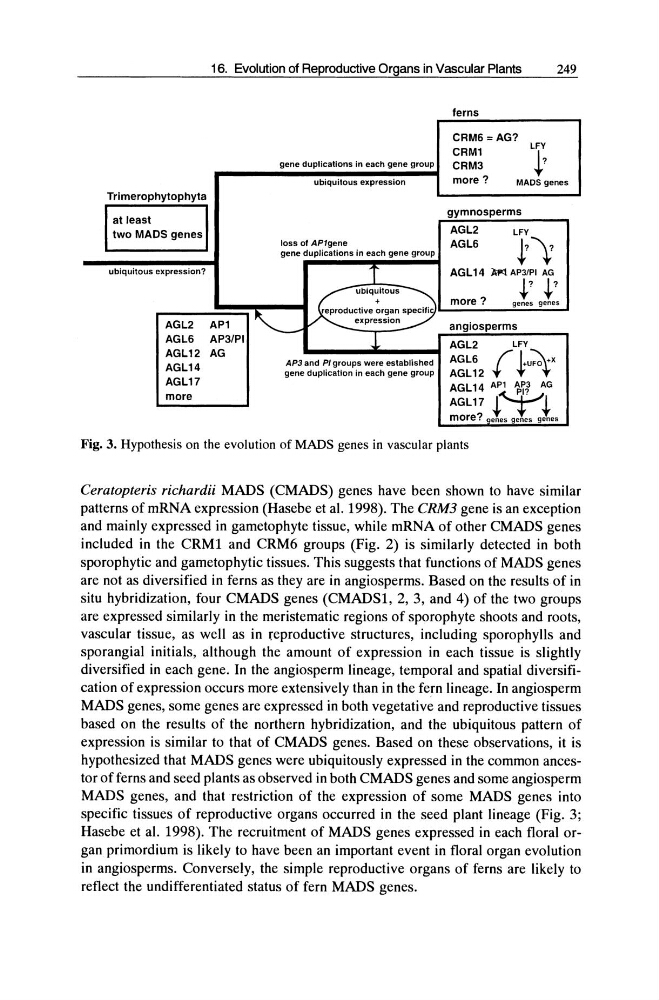
Fig. 3. Hypothesis on the evolution of MADS genes in vascular plants
Ceratopteris richardii MADS (CMADS) genes have been shown to have similar
patterns of mRNA expression (Hasebe et al. 1998). The CRM3 gene is an exception
and mainly expressed in gametophyte tissue, while mRNA of other CMADS genes
included in the CRM1 and CRM6 groups (Fig. 2) is similarly detected in both
sporophytic and gametophytic tissues. This suggests that functions of MADS genes
are not as diversified in ferns as they are in angiosperms. Based on the results of in
situ hybridization, four CMADS genes (CMADS1, 2, 3, and 4) of the two groups
are expressed similarly in the meristematic regions of sporophyte shoots and roots,
vascular tissue, as well as in {eproductive structures, including sporophylls and
sporangial initials, although the amount of expression in each tissue is slightly
diversified in each gene. In the angiosperm lineage, temporal and spatial diversification of expression occurs more extensively than in the fern lineage. In angiosperm
MADS genes, some genes are expressed in both vegetative and reproductive tissues
based on the results of the northern hybridization, and the ubiquitous pattern of
expression is similar to that of CMADS genes. Based on these observations, it is
hypothesized that MADS genes were ubiquitously expressed in the common ancestor of ferns and seed plants as observed in both CMADS genes and some angiosperm
MADS genes, and that restriction of the expression of some MADS genes into
specific tissues of reproductive organs occurred in the seed plant lineage (Fig. 3;
Hasebe et al. 1998). The recruitment of MADS genes expressed in each floral organ primordium is likely to have been an important event in floral organ evolution
in angiosperms. Conversely, the simple reproductive organs of ferns are likely to
reflect the undifferentiated status of fern MADS genes.
249
ferns
CRM6 = AG?
CRM1
LFY
gene duplications in each gene group
CRM3
~?
ubiquitous expression
more?
MADS genes
Trimerophytophyta
at least
gymnosperms
two MADS genes
AGL2
LFY
loss of APlgene
AGL6
~?)
gene duplications in each gene group
ubiquitous expression?
I
AGL 14 AFl AP3/PI AG
~ Ubiq~itOUS ~ more?
,V t?
genes genes
" ' - -
reproductive organ specific
AGL2
AP1
expressIon
angiosperms
AGL6 AP3fPI
T
:~~~ rTu~x
AGL12 AG
AGL14
AP3 and PI groups were established
gene duplication in each gene group
AGL12
AGL17
AGL14 AP1 t1ri AG
more
AGL17 t'rt
more? genes genes genes
Fig. 3. Hypothesis on the evolution of MADS genes in vascular plants
Ceratopteris richardii MADS (CMADS) genes have been shown to have similar
patterns of mRNA expression (Hasebe et al. 1998). The CRM3 gene is an exception
and mainly expressed in gametophyte tissue, while mRNA of other CMADS genes
included in the CRM1 and CRM6 groups (Fig. 2) is similarly detected in both
sporophytic and gametophytic tissues. This suggests that functions of MADS genes
are not as diversified in ferns as they are in angiosperms. Based on the results of in
situ hybridization, four CMADS genes (CMADS1, 2, 3, and 4) of the two groups
are expressed similarly in the meristematic regions of sporophyte shoots and roots,
vascular tissue, as well as in {eproductive structures, including sporophylls and
sporangial initials, although the amount of expression in each tissue is slightly
diversified in each gene. In the angiosperm lineage, temporal and spatial diversification of expression occurs more extensively than in the fern lineage. In angiosperm
MADS genes, some genes are expressed in both vegetative and reproductive tissues
based on the results of the northern hybridization, and the ubiquitous pattern of
expression is similar to that of CMADS genes. Based on these observations, it is
hypothesized that MADS genes were ubiquitously expressed in the common ancestor of ferns and seed plants as observed in both CMADS genes and some angiosperm
MADS genes, and that restriction of the expression of some MADS genes into
specific tissues of reproductive organs occurred in the seed plant lineage (Fig. 3;
Hasebe et al. 1998). The recruitment of MADS genes expressed in each floral organ primordium is likely to have been an important event in floral organ evolution
in angiosperms. Conversely, the simple reproductive organs of ferns are likely to
reflect the undifferentiated status of fern MADS genes.