

142
I. Washitani
Habitat fragmentation
o;er +e~oitatiOn Biological invasion 1
Population
decline
Small population size
II
Loss of pollinators
L
Seed set failure'
Inbreeding
¥
• Reproductive failure
• Lower fitness of progeny
• Loss of genetic variation
l
Isolation
t
Solitude
Elevation of
extinction
probability
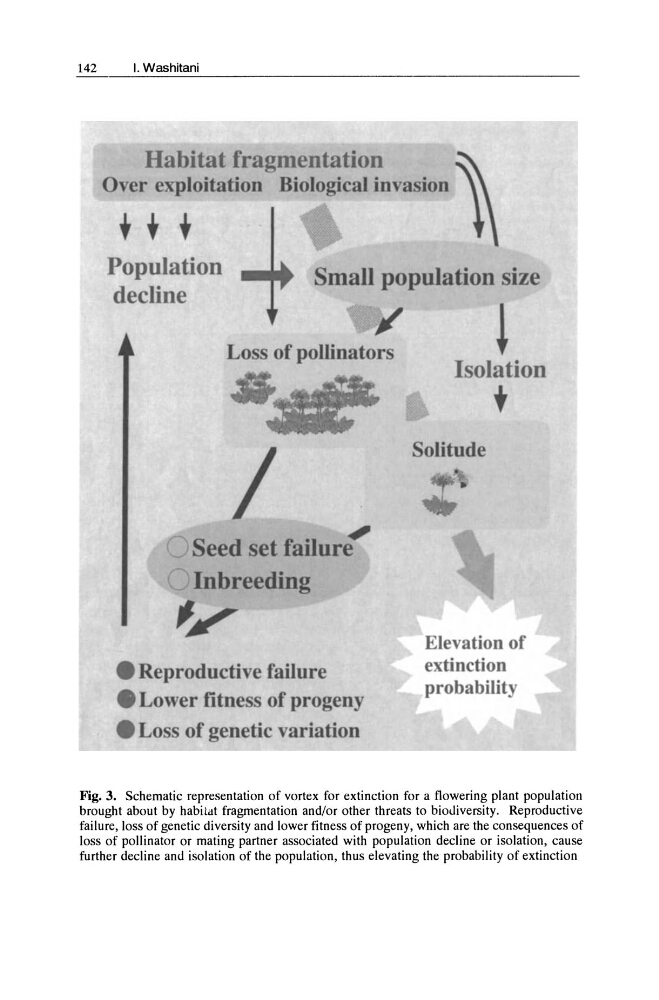
Fig. 3. Schematic representation of vortex for extinction for a flowering plant population
brought about by habitat fragmentation and/or other threats to bioJiversity. Reproductive
failure, loss of genetic diversity and lower fitness of progeny, which are the consequences of
loss of pollinator or mating partner associated with population decline or isolation, cause
further decline anJ isolation of the population, thus elevating the probability of extinction
I. Washitani
Habitat fragmentation
o;er +e~oitatiOn Biological invasion 1
Population
decline
Small population size
II
Loss of pollinators
L
Seed set failure'
Inbreeding
¥
• Reproductive failure
• Lower fitness of progeny
• Loss of genetic variation
l
Isolation
t
Solitude
Elevation of
extinction
probability
Fig. 3. Schematic representation of vortex for extinction for a flowering plant population
brought about by habitat fragmentation and/or other threats to bioJiversity. Reproductive
failure, loss of genetic diversity and lower fitness of progeny, which are the consequences of
loss of pollinator or mating partner associated with population decline or isolation, cause
further decline anJ isolation of the population, thus elevating the probability of extinction