

3.2 Economic Valuation of Environmental Goods at a National Level
49
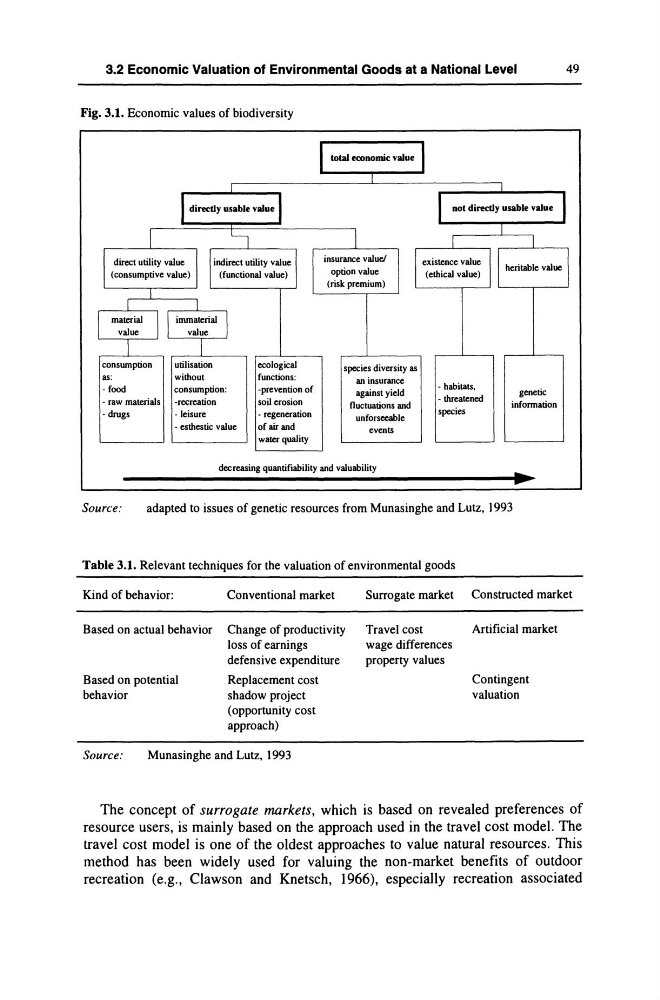
Fig. 3.1. Economic values of biodiversity
total economic value
I direcdy usable value
I
not direcdy usable value
I
I
j
I
I
I direct utility value II indirect utility value I
insurance valuel
I exiswnce value II heritable value I
(consumptive value)
(functional value)
option value
(ethIcal value)
(risk premium)
I
1
mawrial I
immawrial J
value
value
I
I
consumption
utilisation
ecological
species diversity as
without
functions:
as:
an insurance
- food
conswnption:
-prevention of
against yield
- habitats.
genetic
- raw materials -recreation
soil erosion
fluctuations and
- threawned
infonnation
- drugs
- leisure
- regeneration
unforseeable
species
- esthestic value
of air and
events
wawr quality
decreasing quantifiability and valuability
Source:
adapted to issues of genetic resources from Munasinghe and Lutz, 1993
Table 3.1. Relevant techniques for the valuation of environmental goods
Kind of behavior:
Conventional market
Based on actual behavior Change of productivity
loss of earnings
defensive expenditure
Based on potential
behavior
Replacement cost
shadow project
(opportunity cost
approach)
Source:
Munasinghe and Lutz, 1993
Surrogate market Constructed market
Travel cost
Artificial market
wage differences
property values
Contingent
valuation
The concept of surrogate markets, which is based on revealed preferences of
resource users, is mainly based on the approach used in the travel cost model. The
travel cost model is one of the oldest approaches to value natural resources. This
method has been widely used for valuing the non-market benefits of outdoor
recreation (e.g., Clawson and Knetsch, 1966), especially recreation associated
49
Fig. 3.1. Economic values of biodiversity
total economic value
I direcdy usable value
I
not direcdy usable value
I
I
j
I
I
I direct utility value II indirect utility value I
insurance valuel
I exiswnce value II heritable value I
(consumptive value)
(functional value)
option value
(ethIcal value)
(risk premium)
I
1
mawrial I
immawrial J
value
value
I
I
consumption
utilisation
ecological
species diversity as
without
functions:
as:
an insurance
- food
conswnption:
-prevention of
against yield
- habitats.
genetic
- raw materials -recreation
soil erosion
fluctuations and
- threawned
infonnation
- drugs
- leisure
- regeneration
unforseeable
species
- esthestic value
of air and
events
wawr quality
decreasing quantifiability and valuability
Source:
adapted to issues of genetic resources from Munasinghe and Lutz, 1993
Table 3.1. Relevant techniques for the valuation of environmental goods
Kind of behavior:
Conventional market
Based on actual behavior Change of productivity
loss of earnings
defensive expenditure
Based on potential
behavior
Replacement cost
shadow project
(opportunity cost
approach)
Source:
Munasinghe and Lutz, 1993
Surrogate market Constructed market
Travel cost
Artificial market
wage differences
property values
Contingent
valuation
The concept of surrogate markets, which is based on revealed preferences of
resource users, is mainly based on the approach used in the travel cost model. The
travel cost model is one of the oldest approaches to value natural resources. This
method has been widely used for valuing the non-market benefits of outdoor
recreation (e.g., Clawson and Knetsch, 1966), especially recreation associated